Islamorada & Everglades National Park Fishing Charters
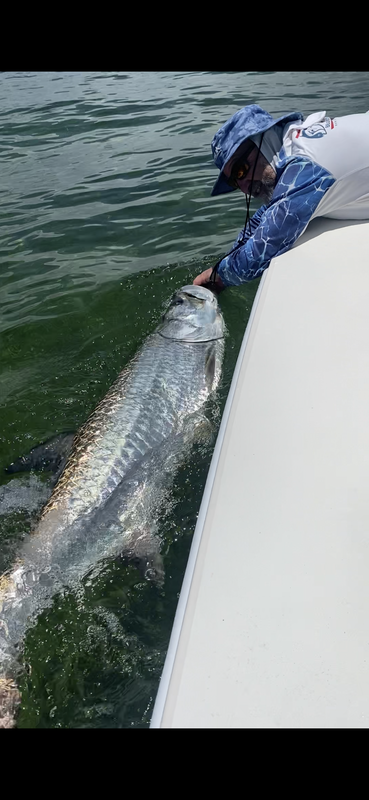
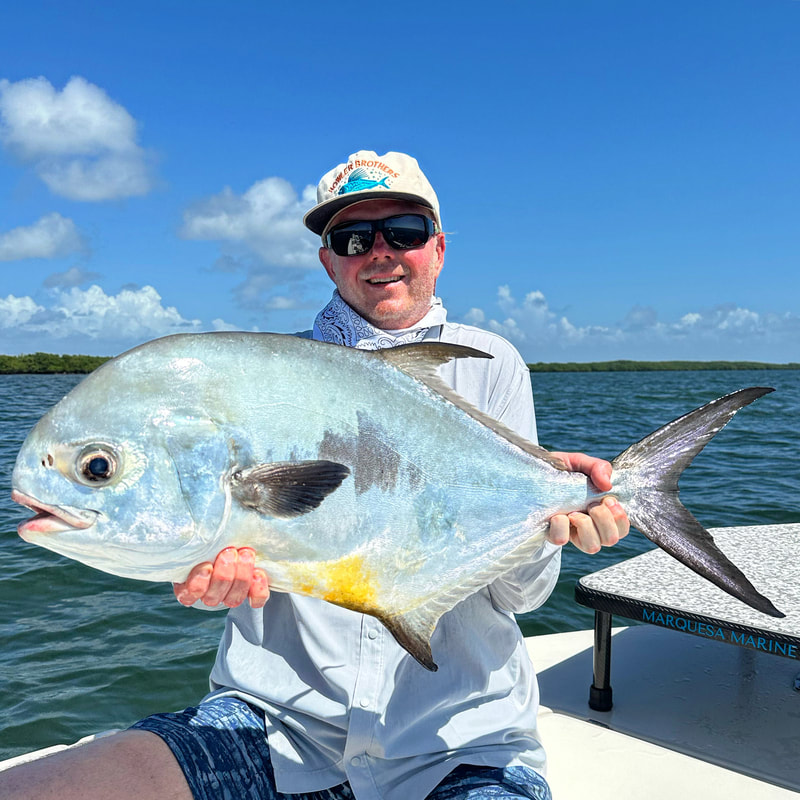
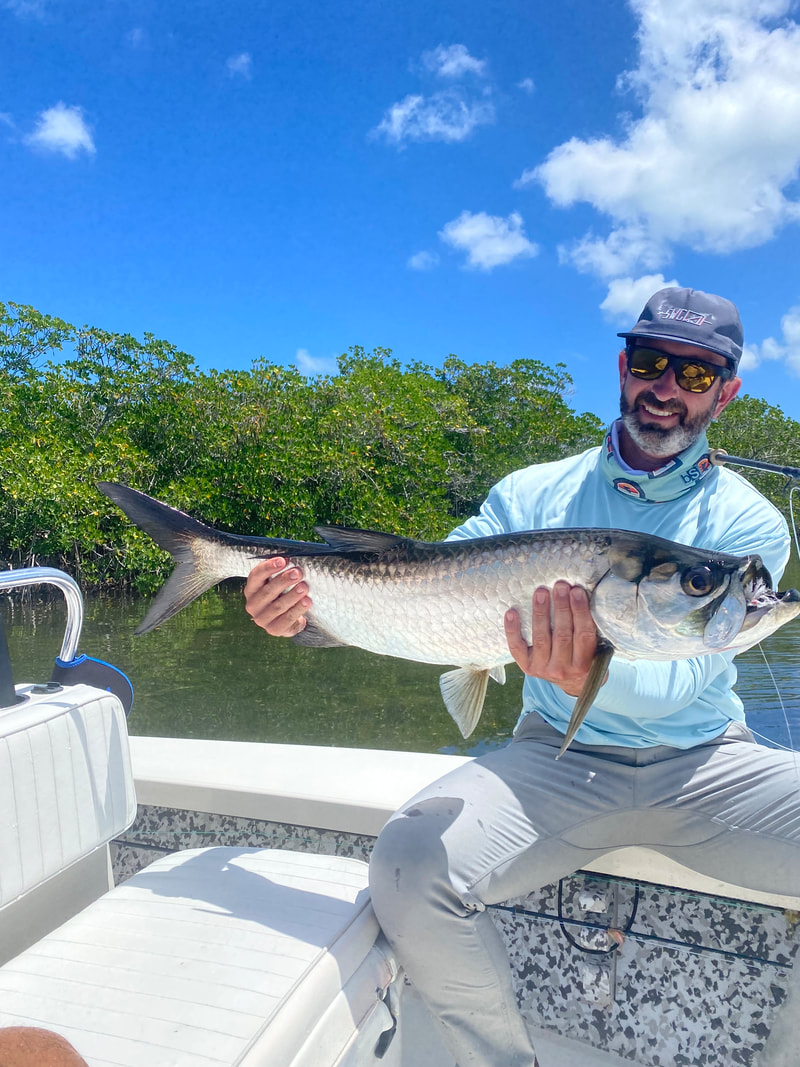
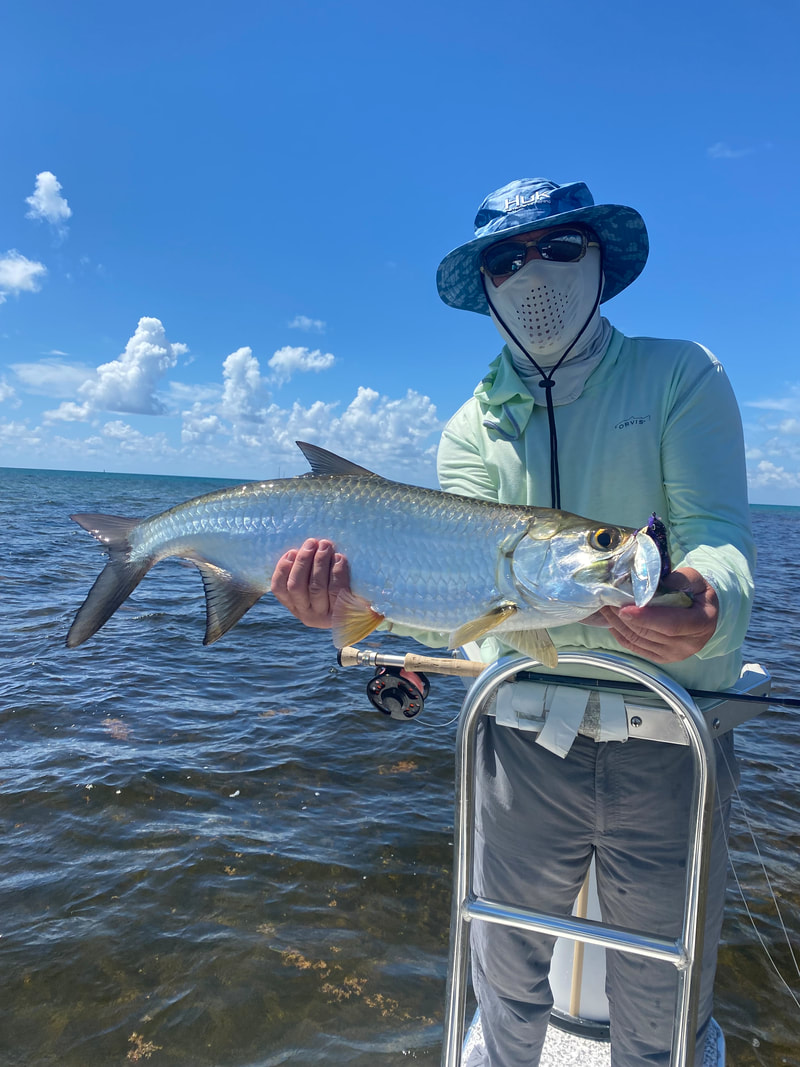
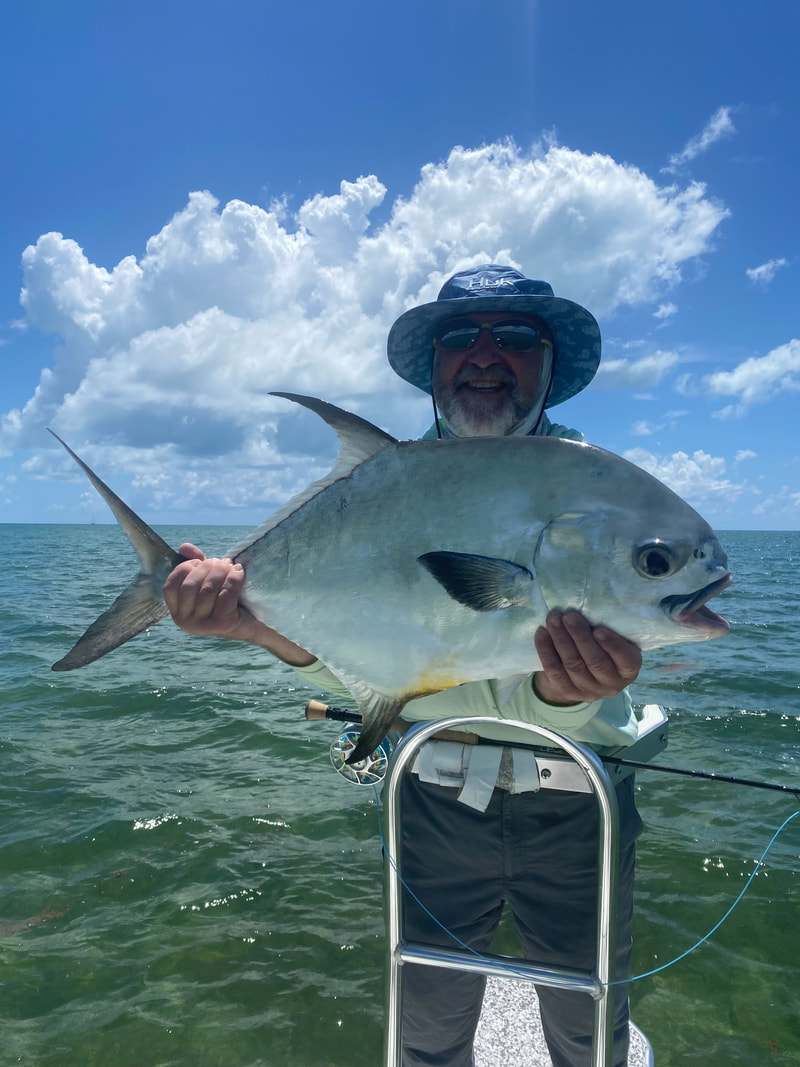
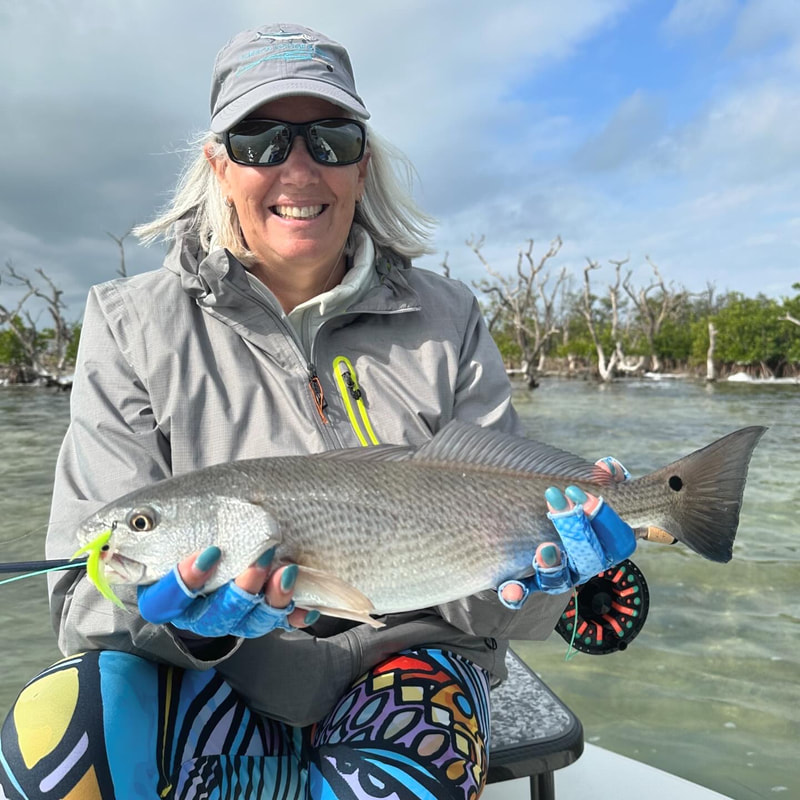
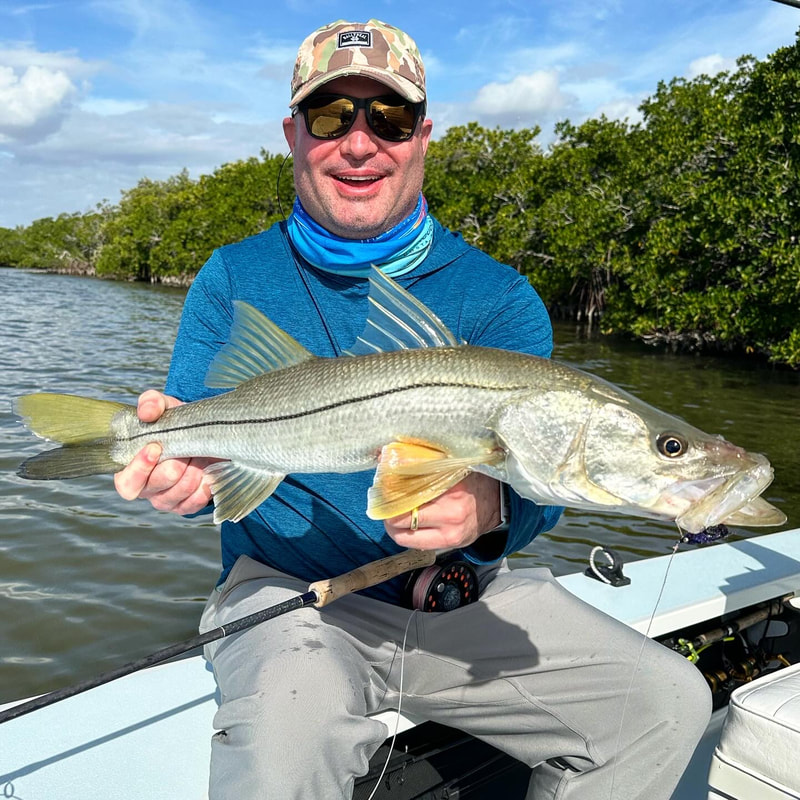
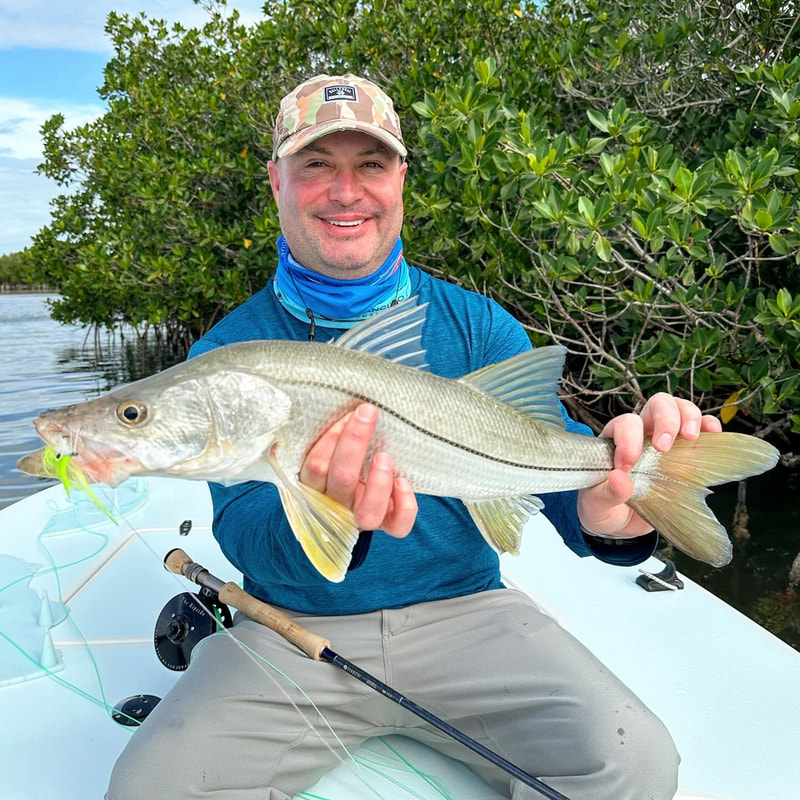
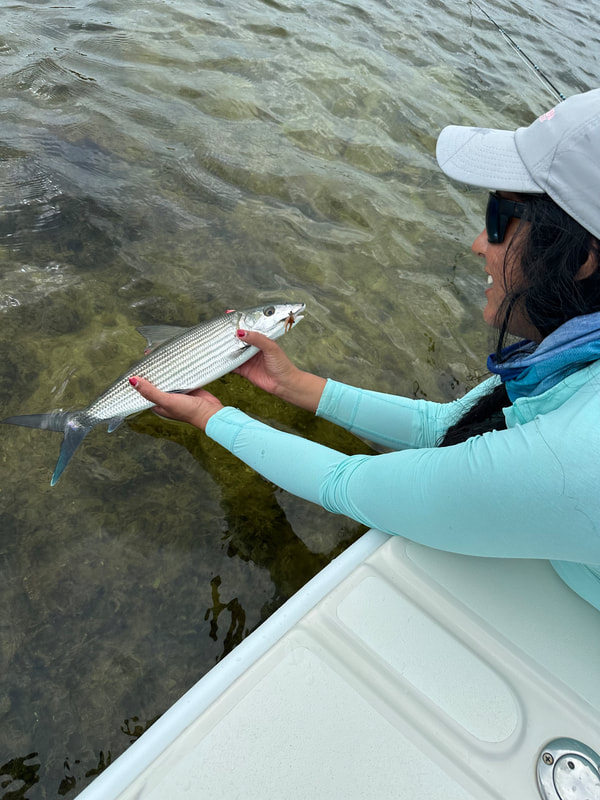
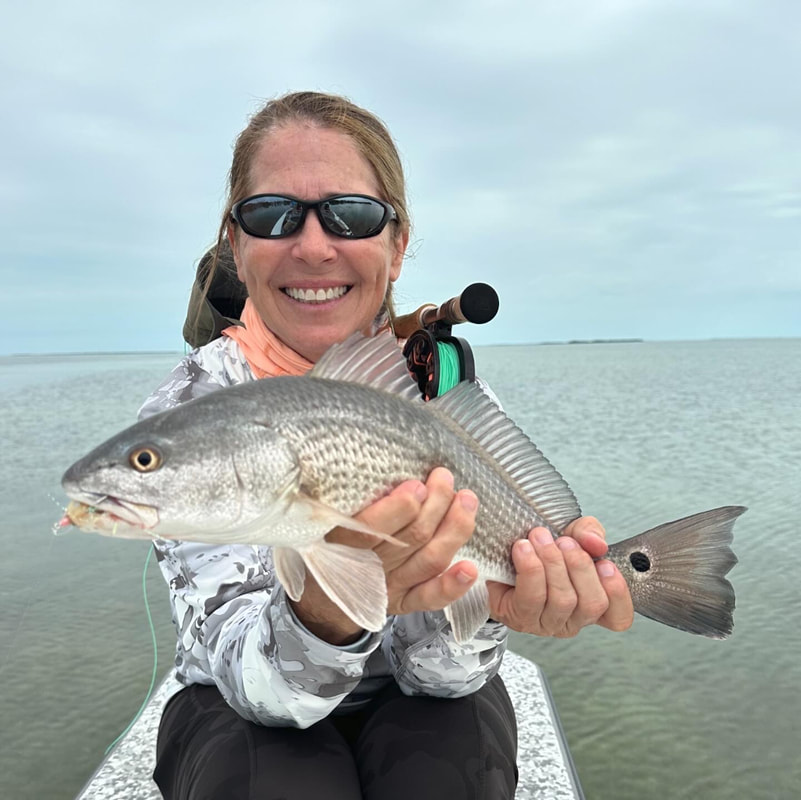
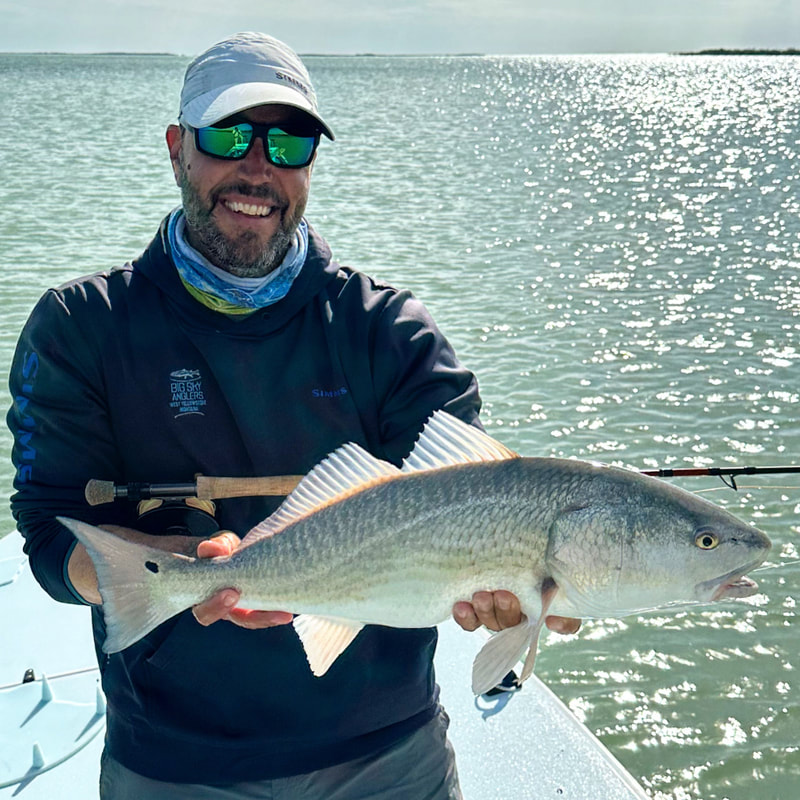
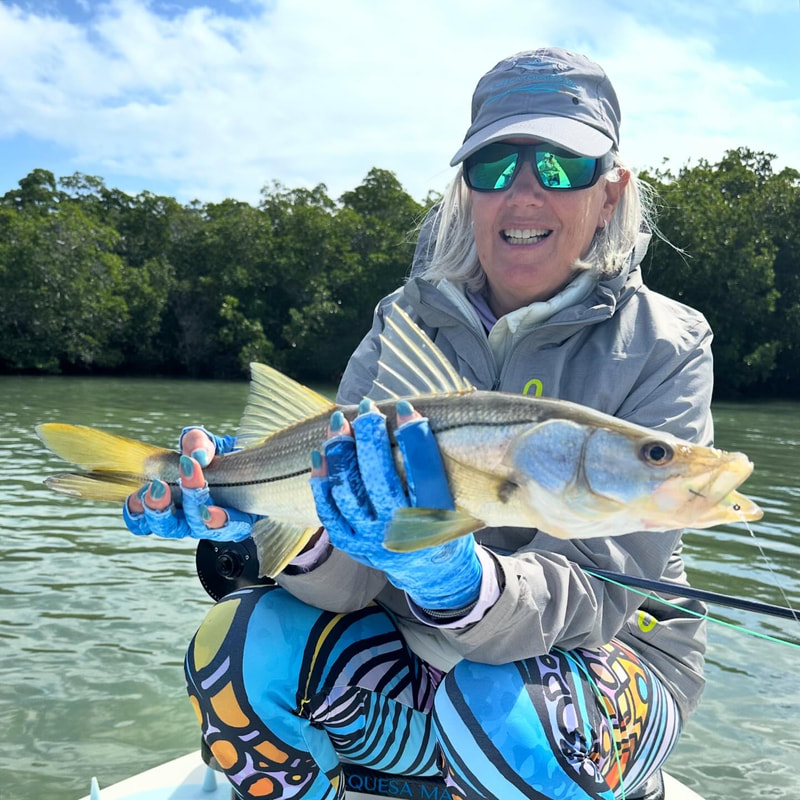
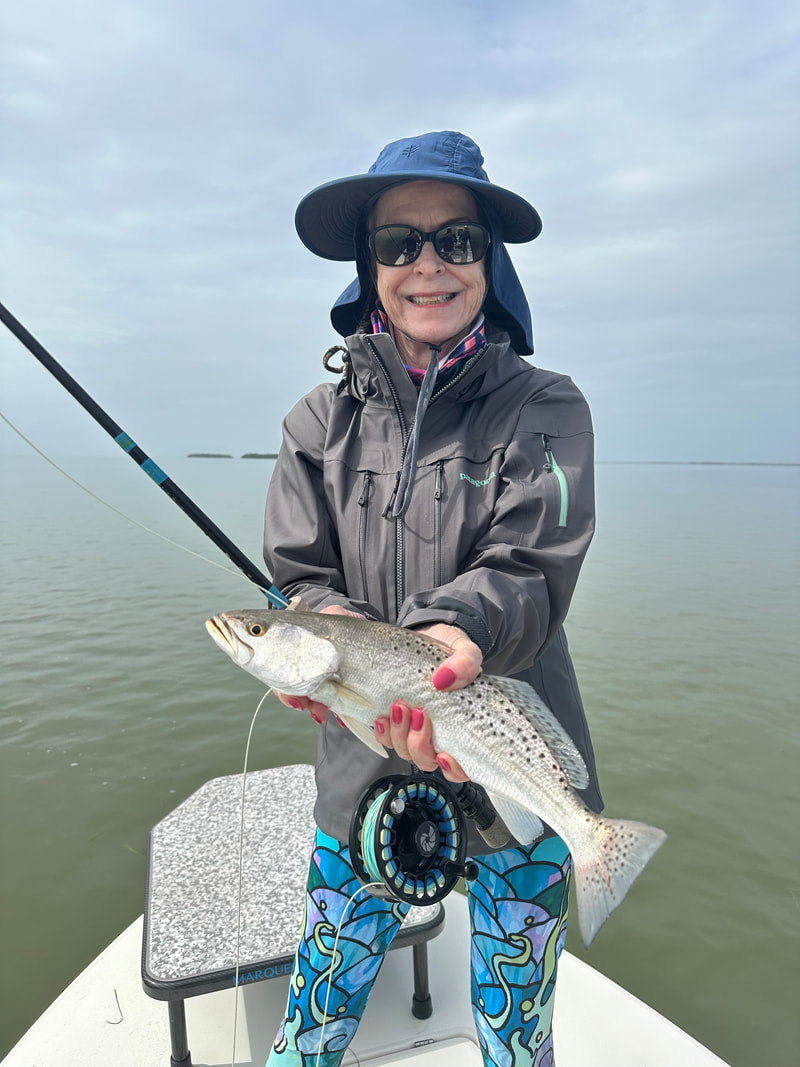
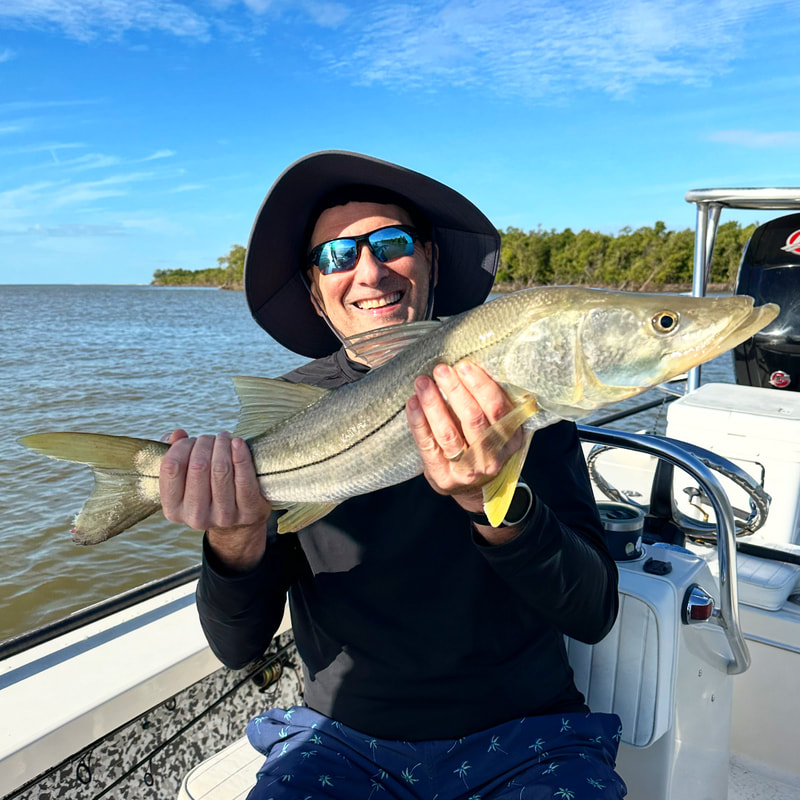
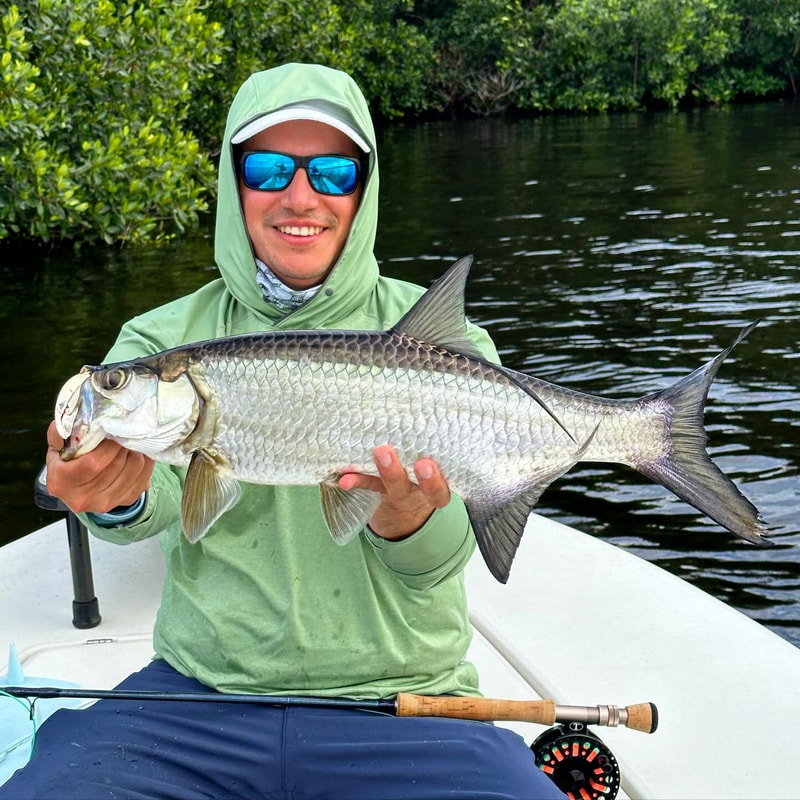
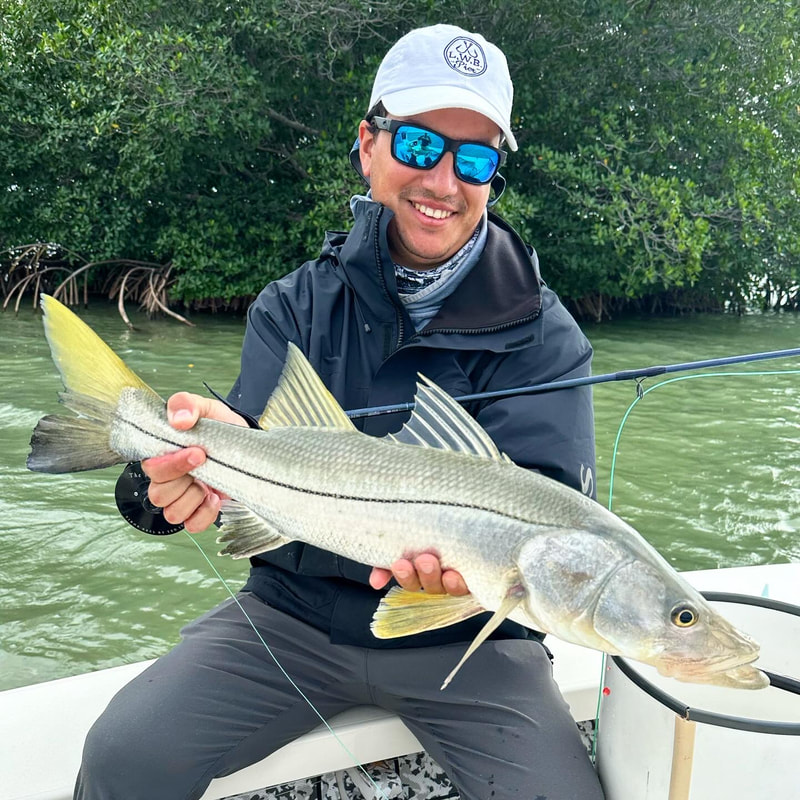
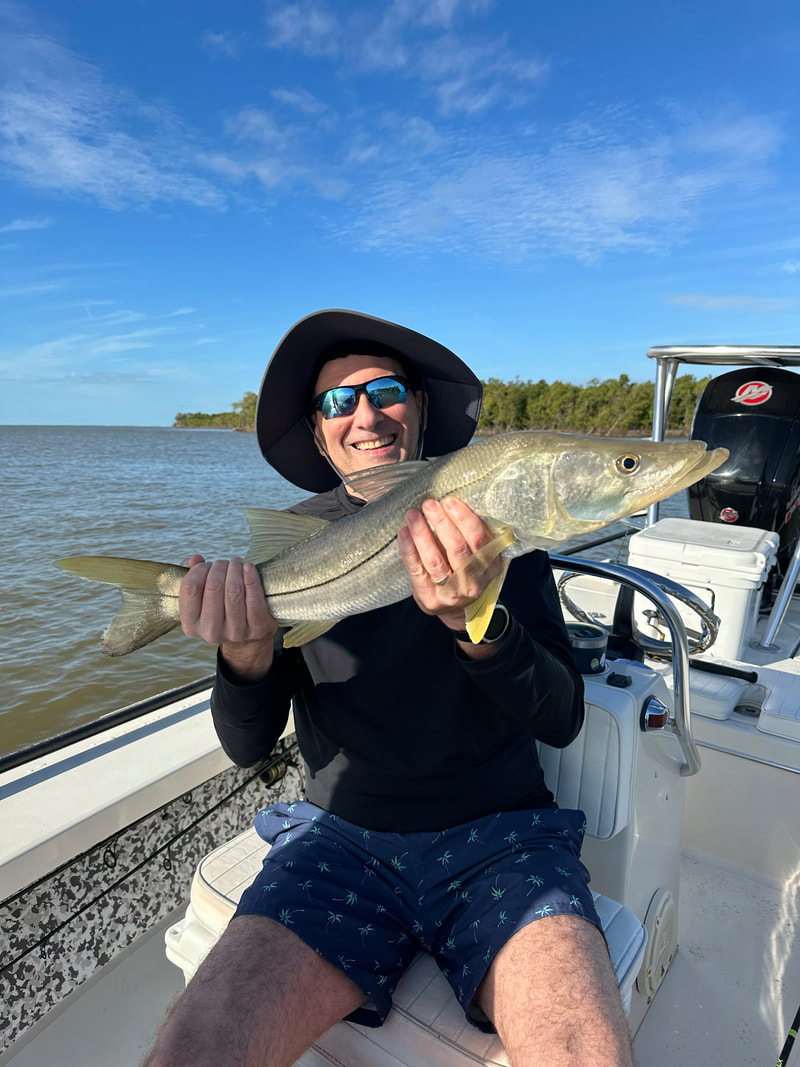
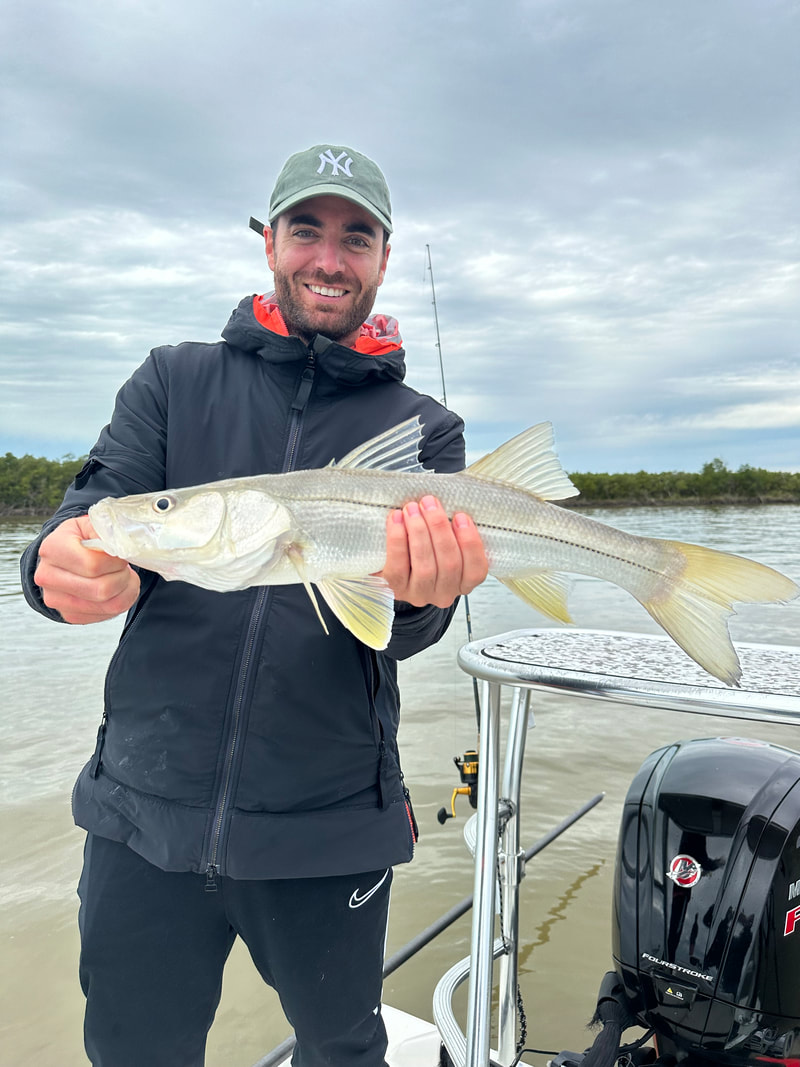
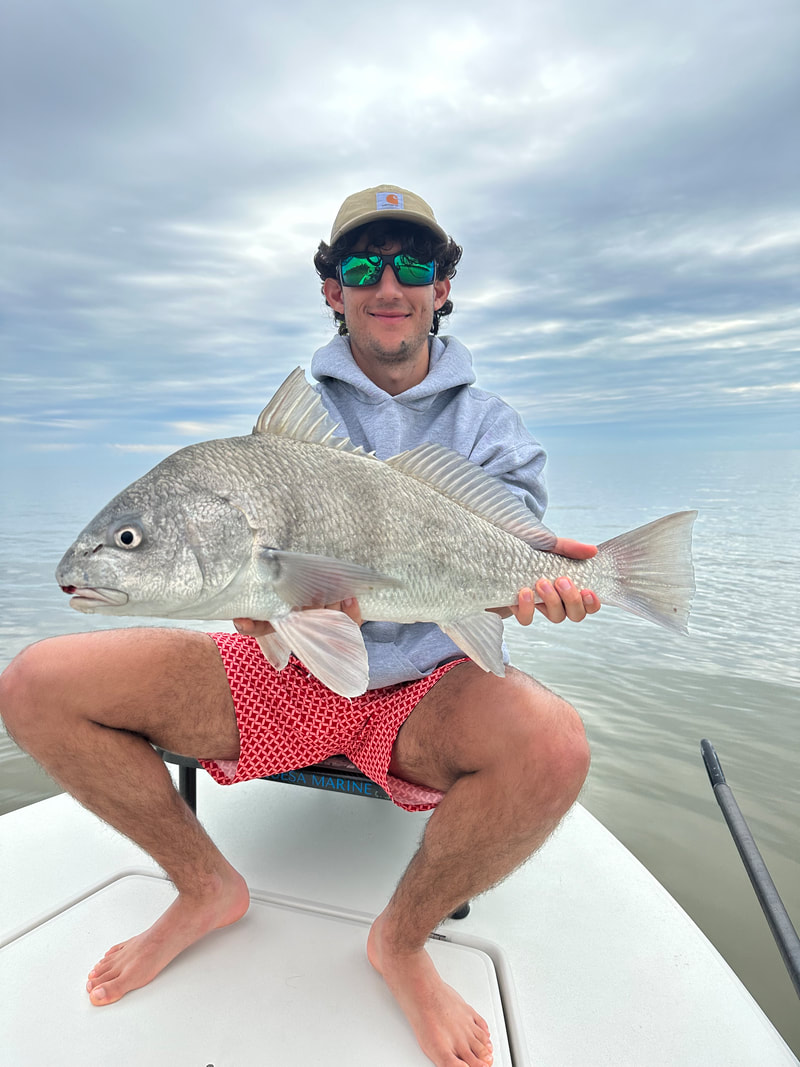
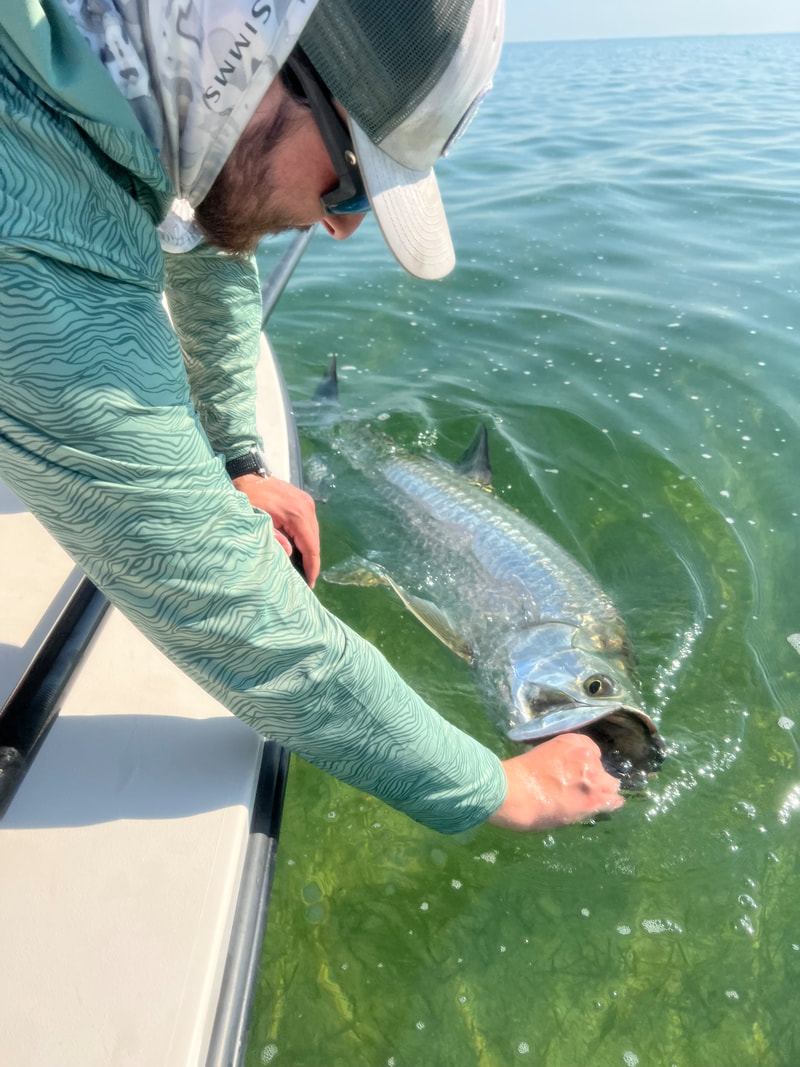
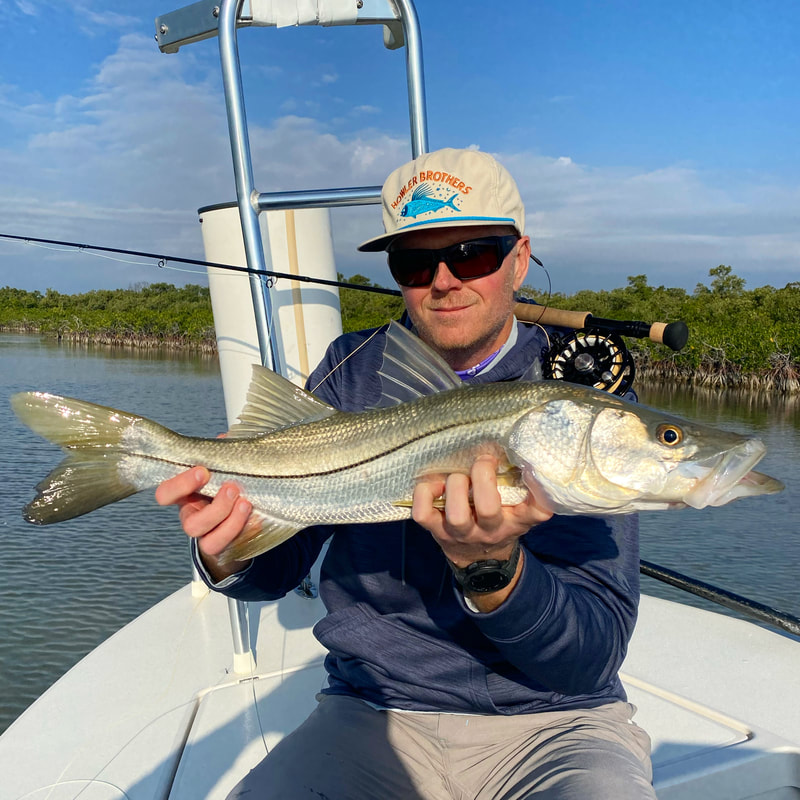
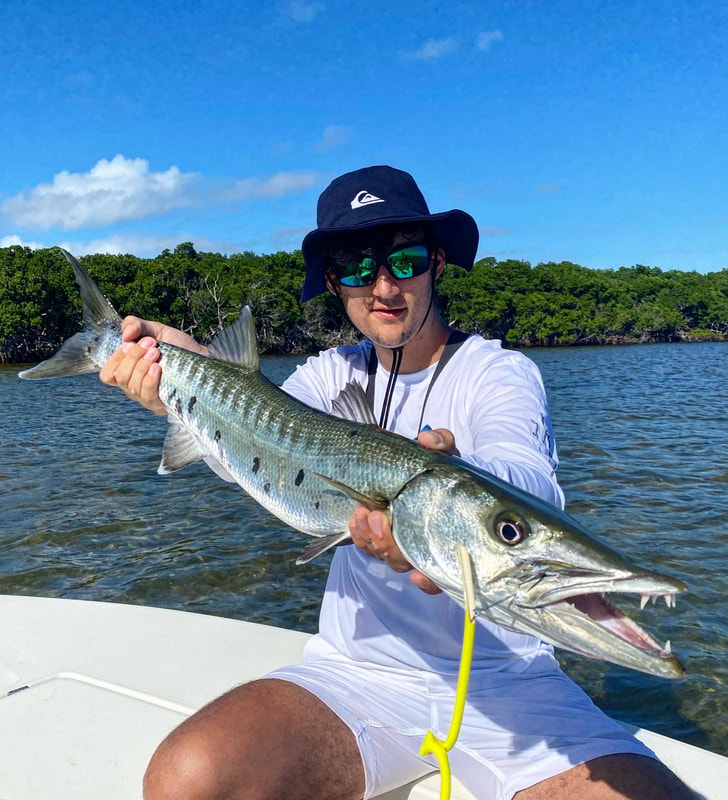
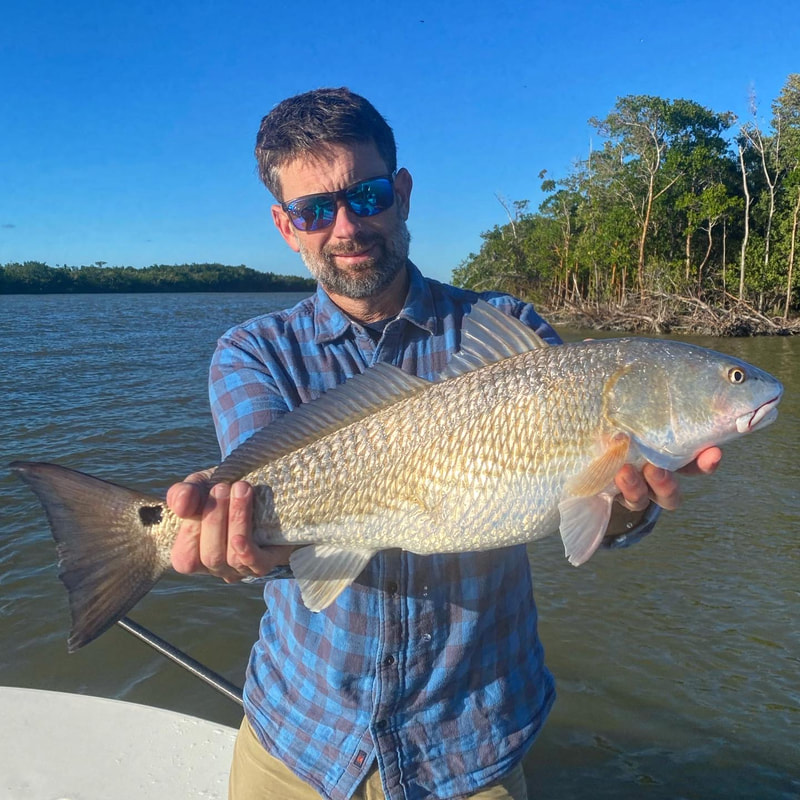
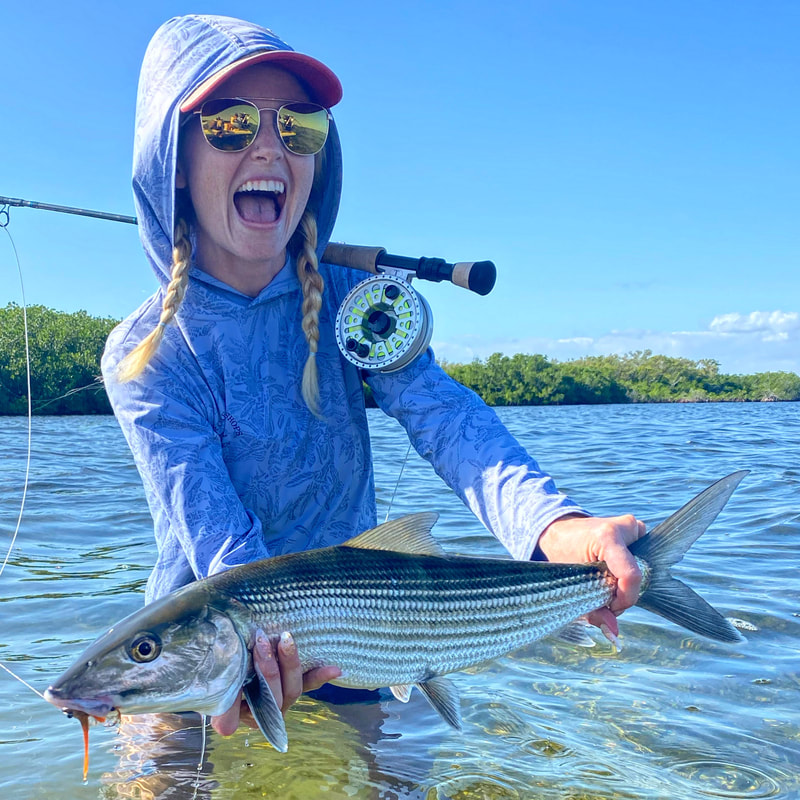
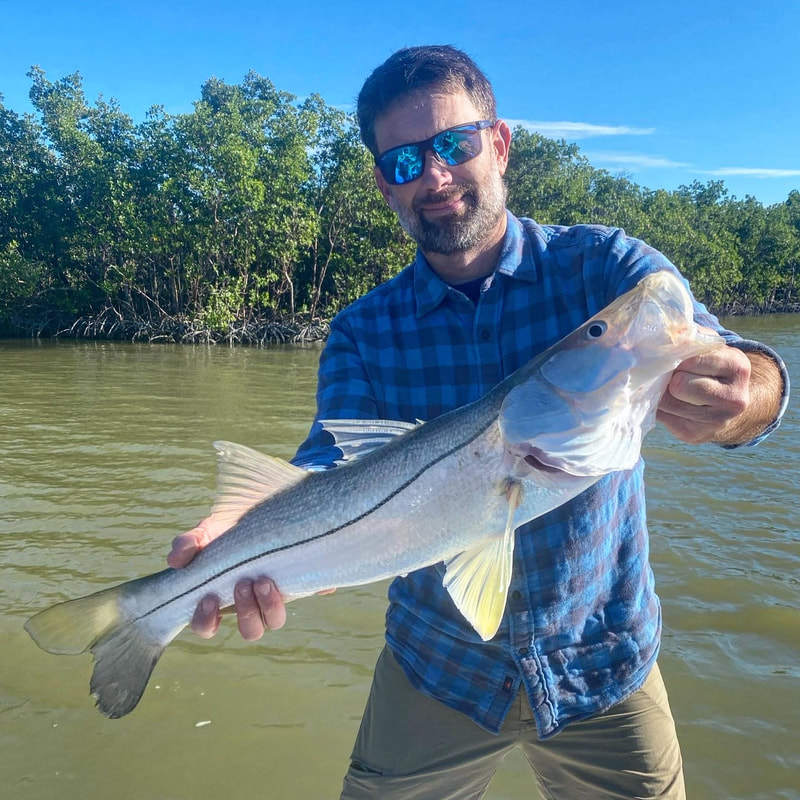
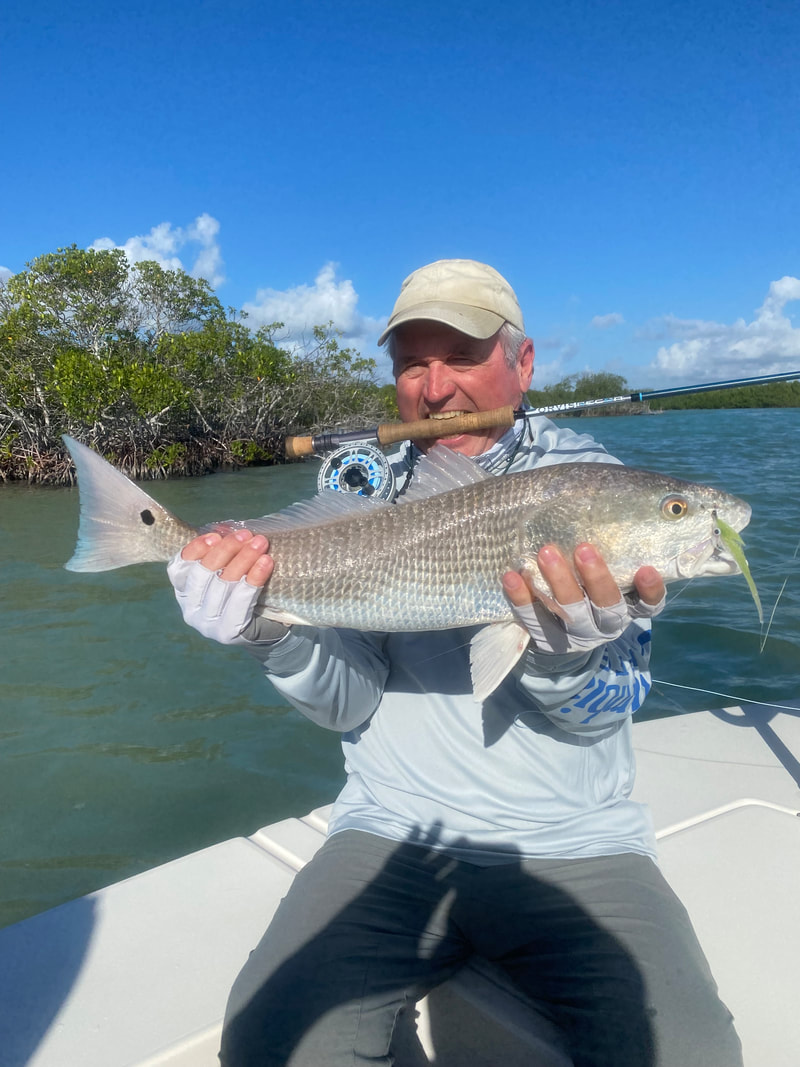
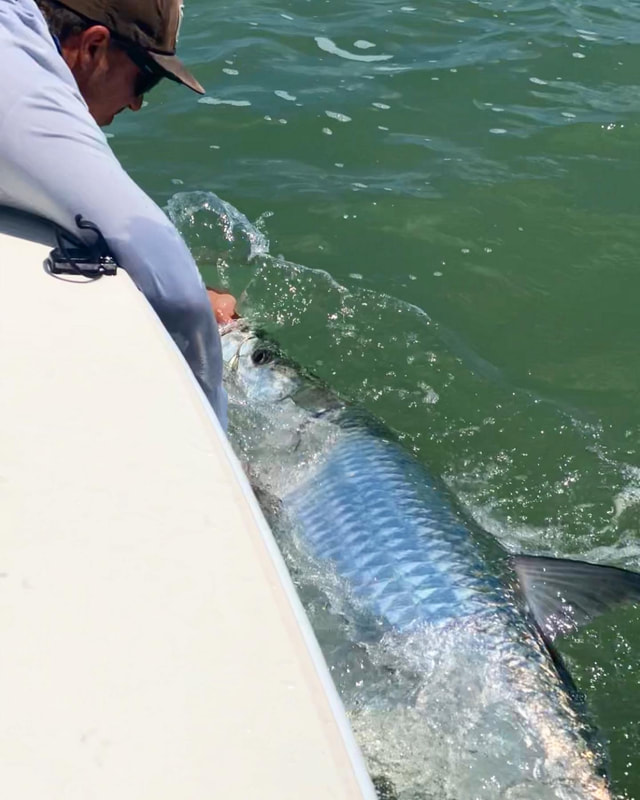
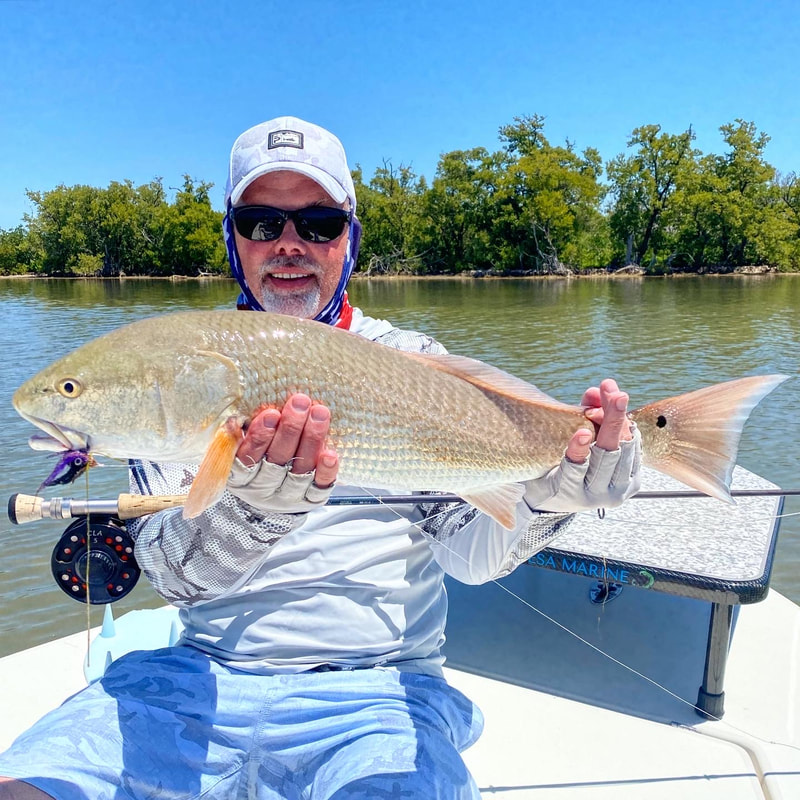
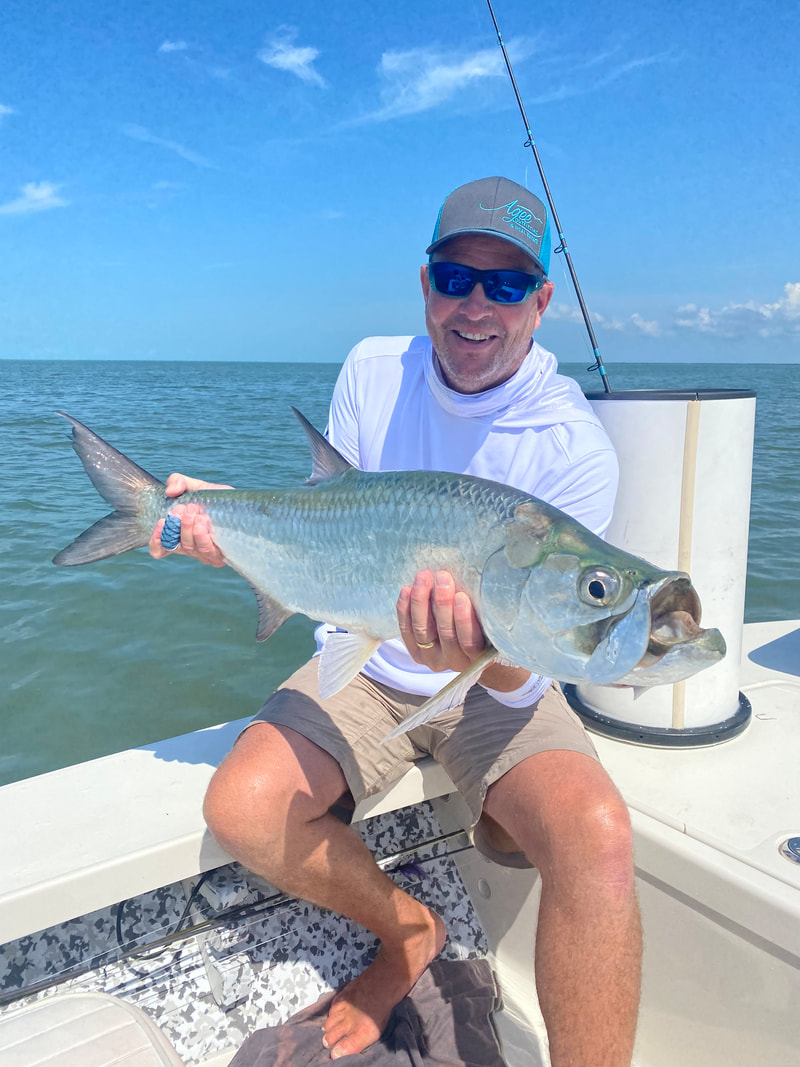
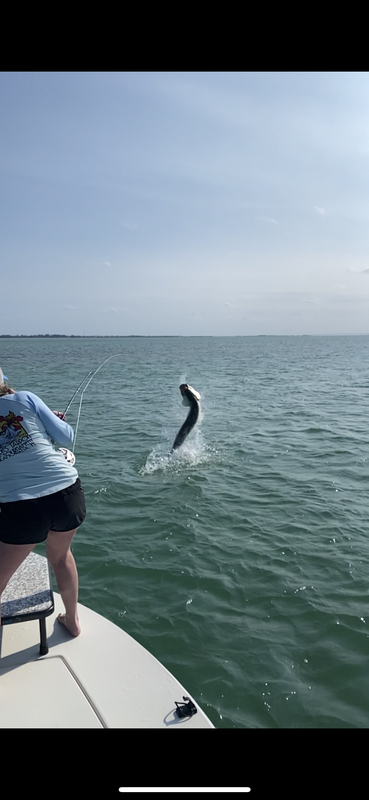
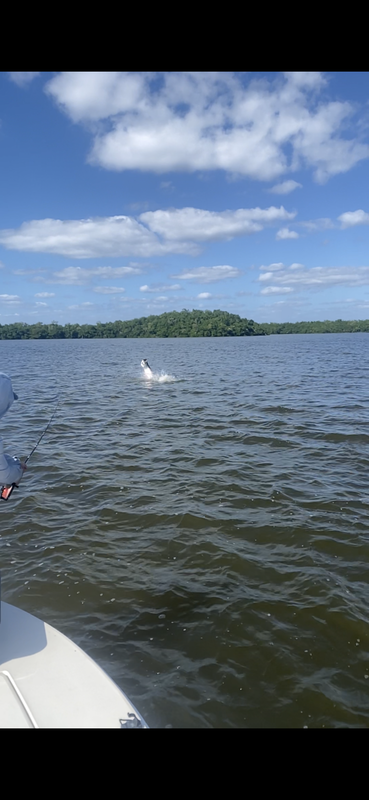
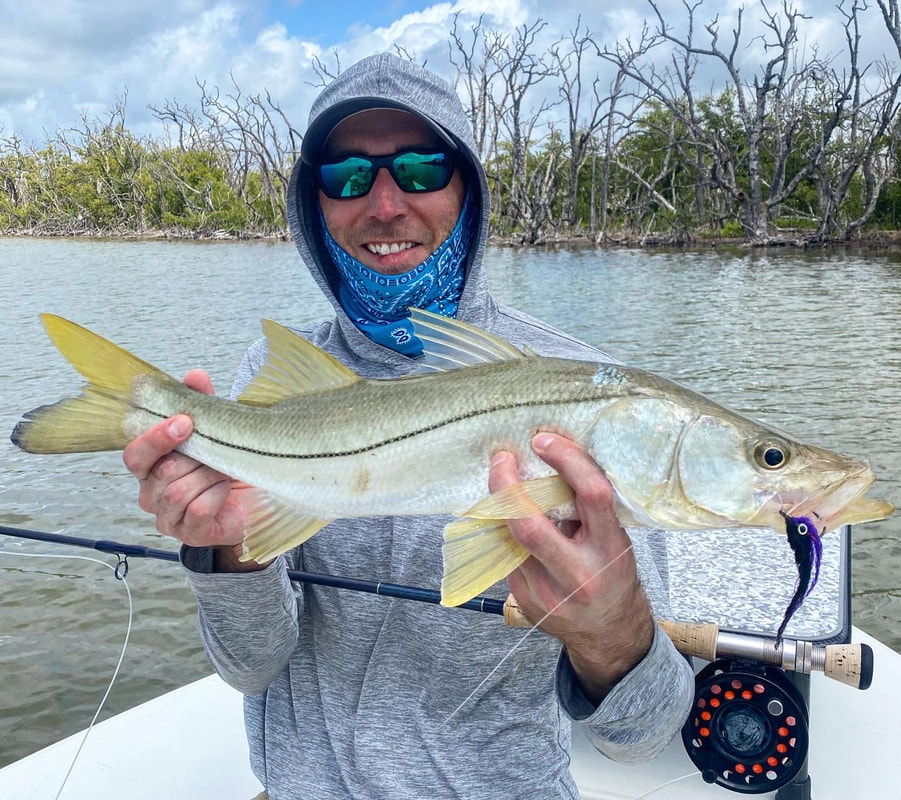
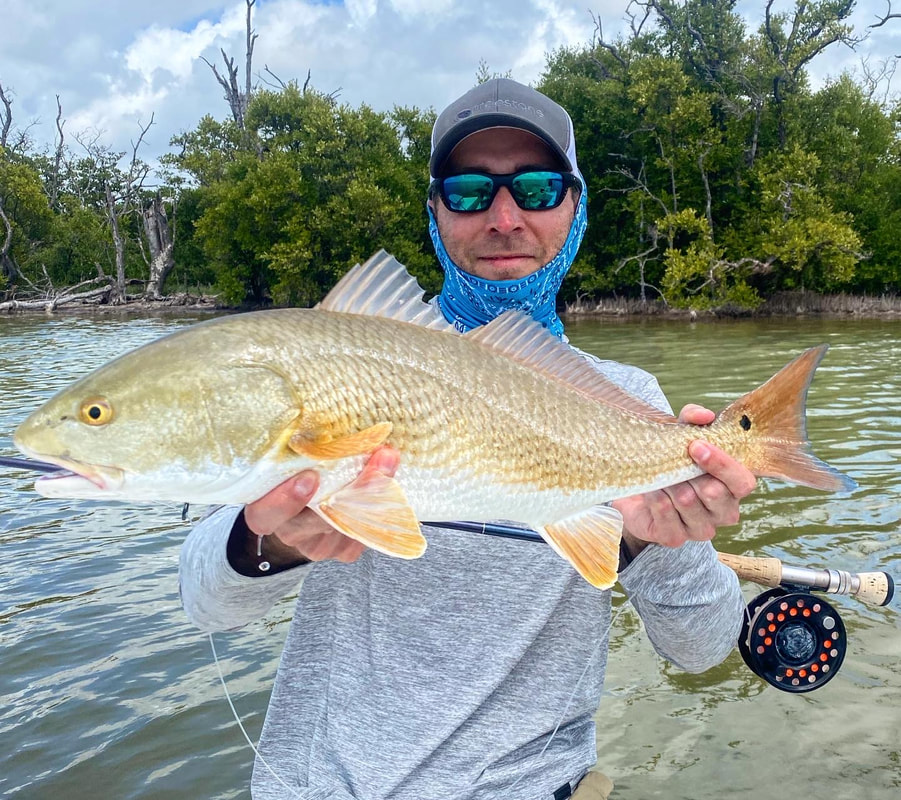
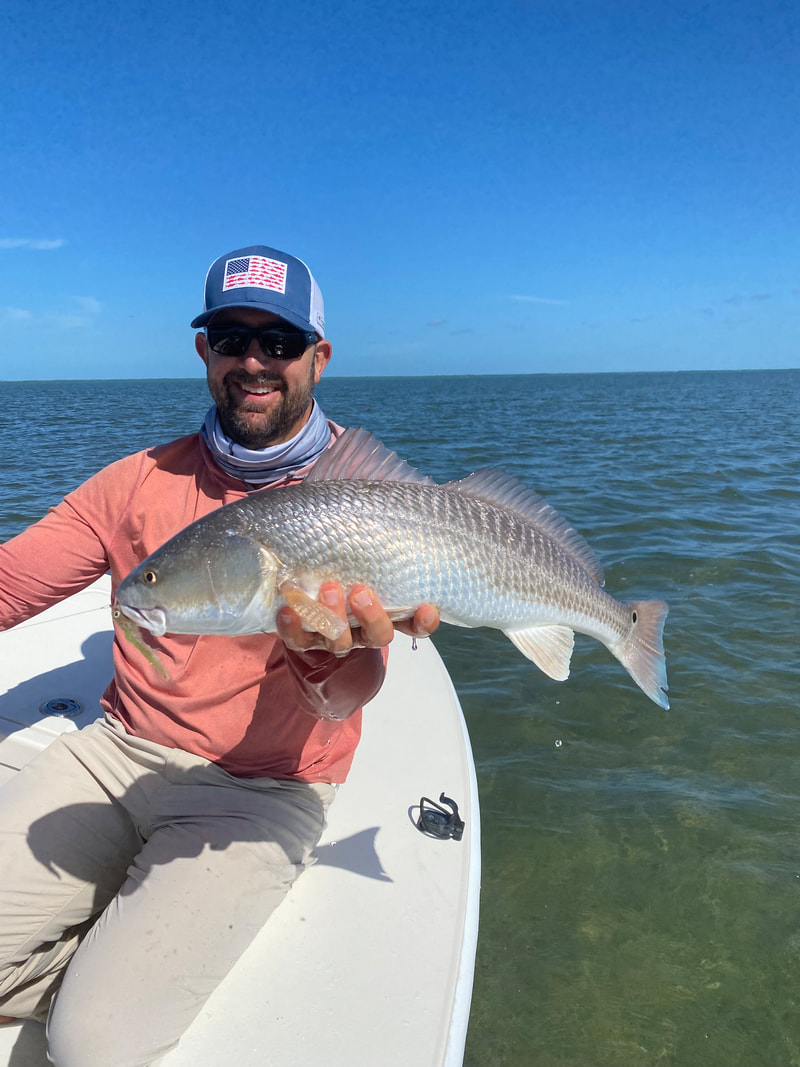
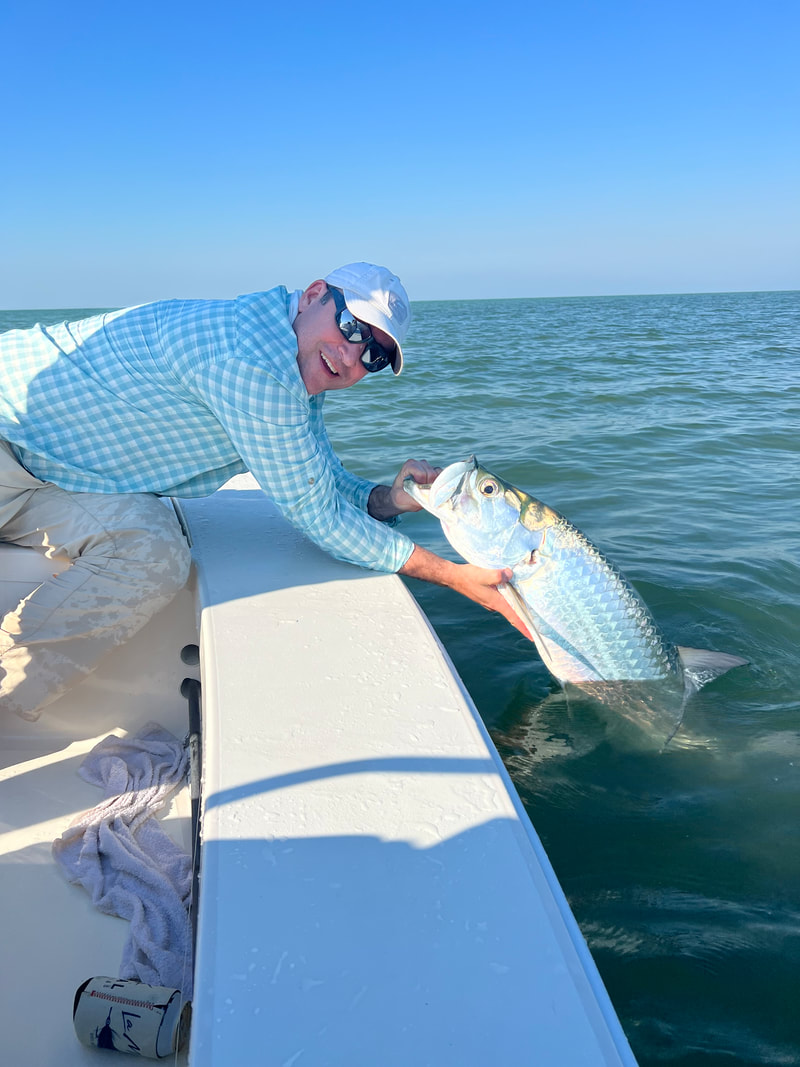
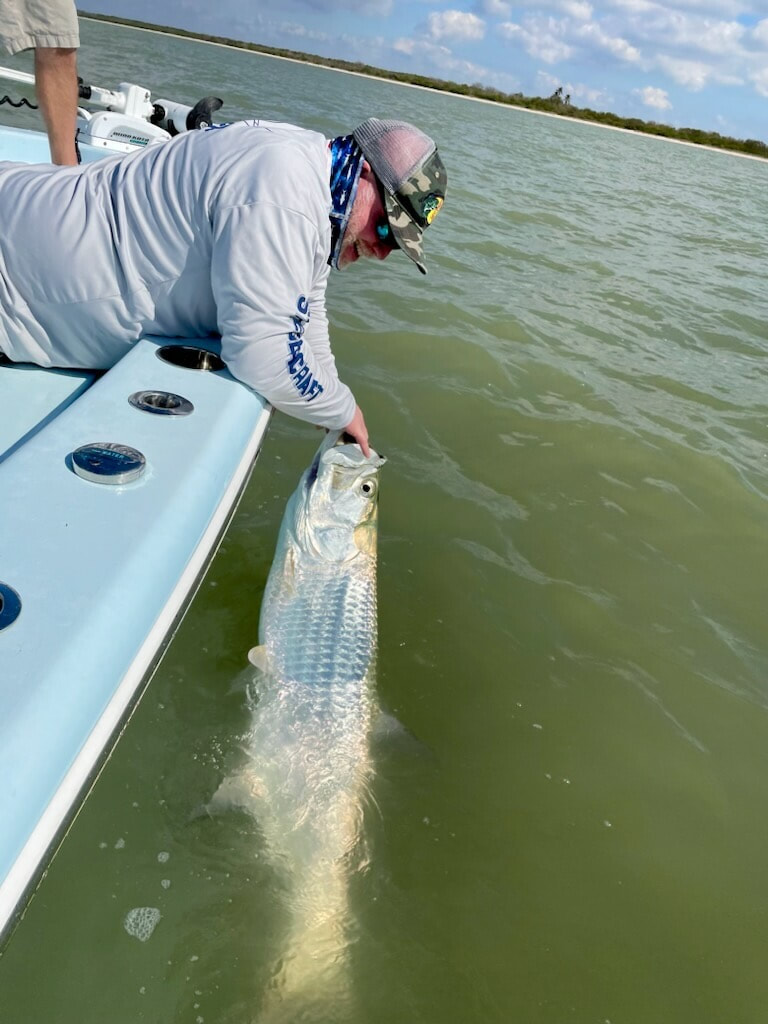
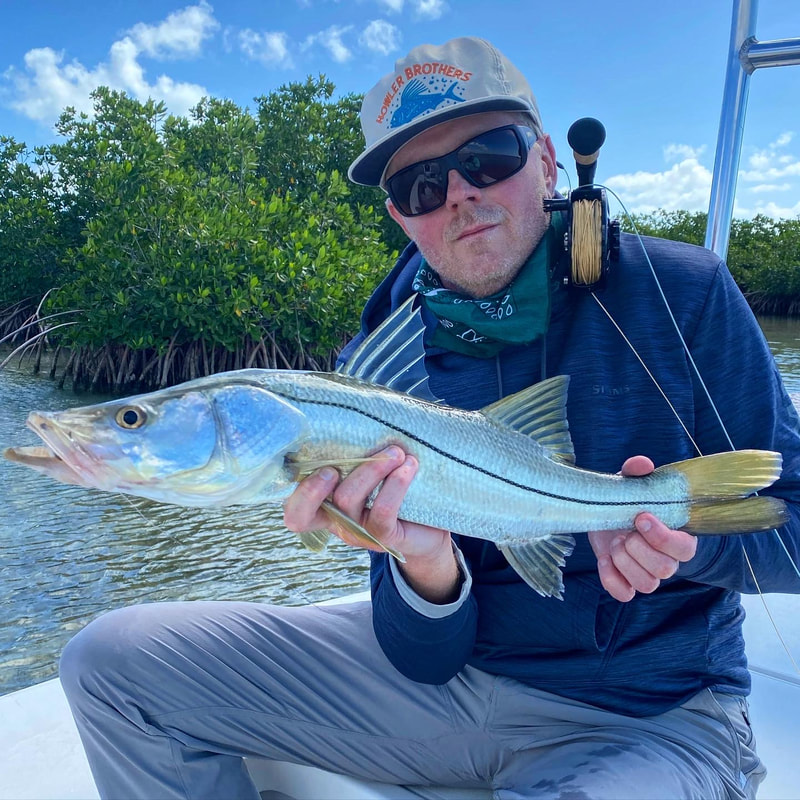
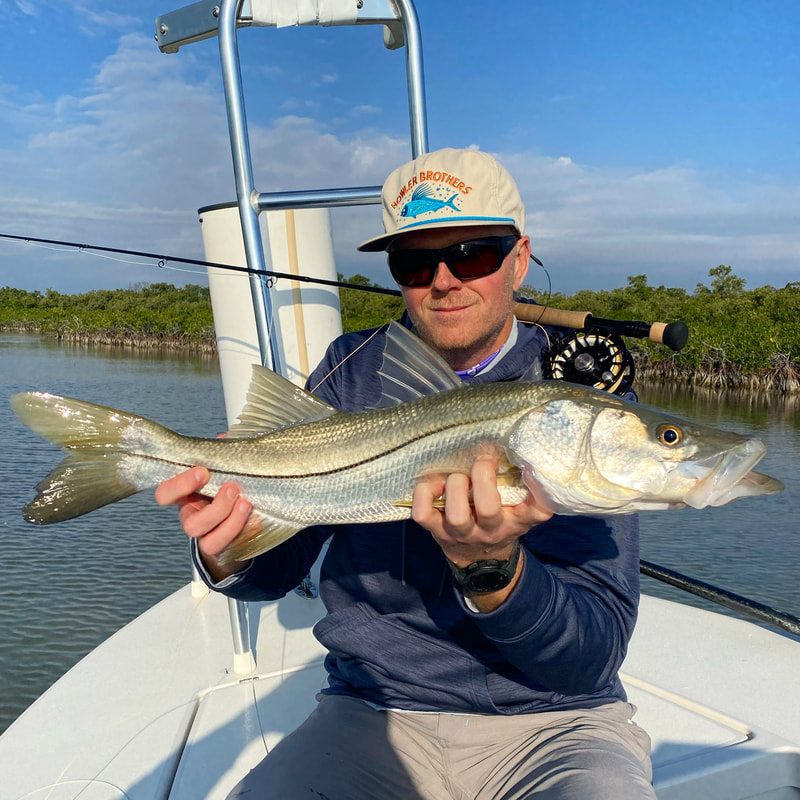
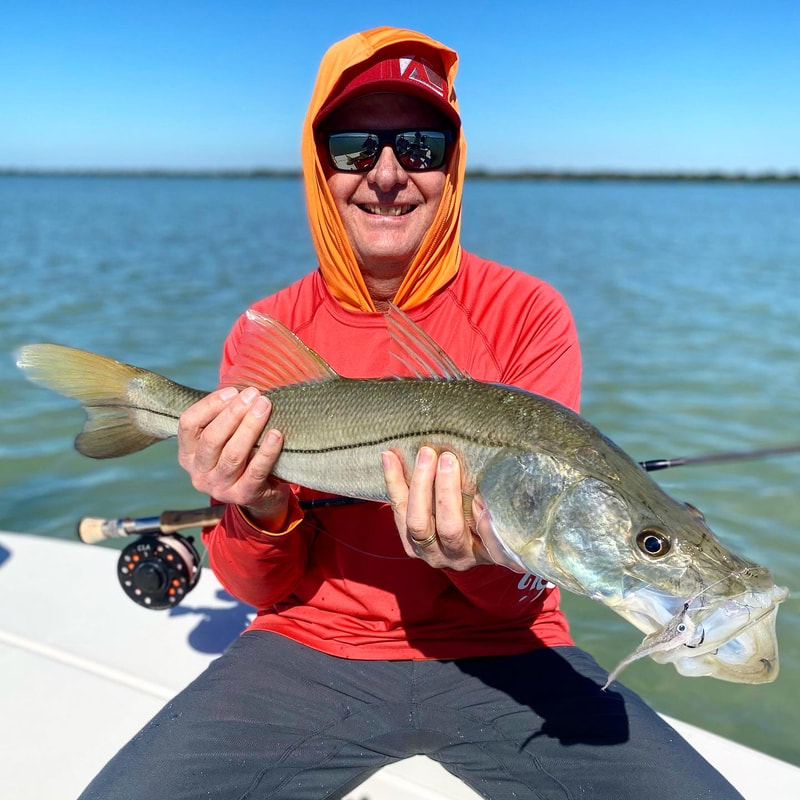
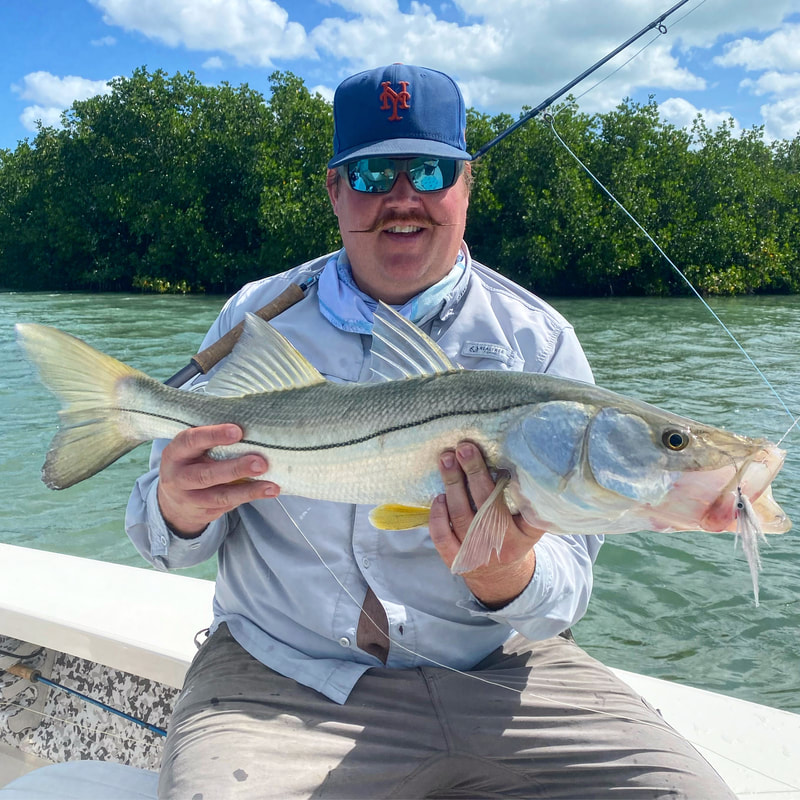
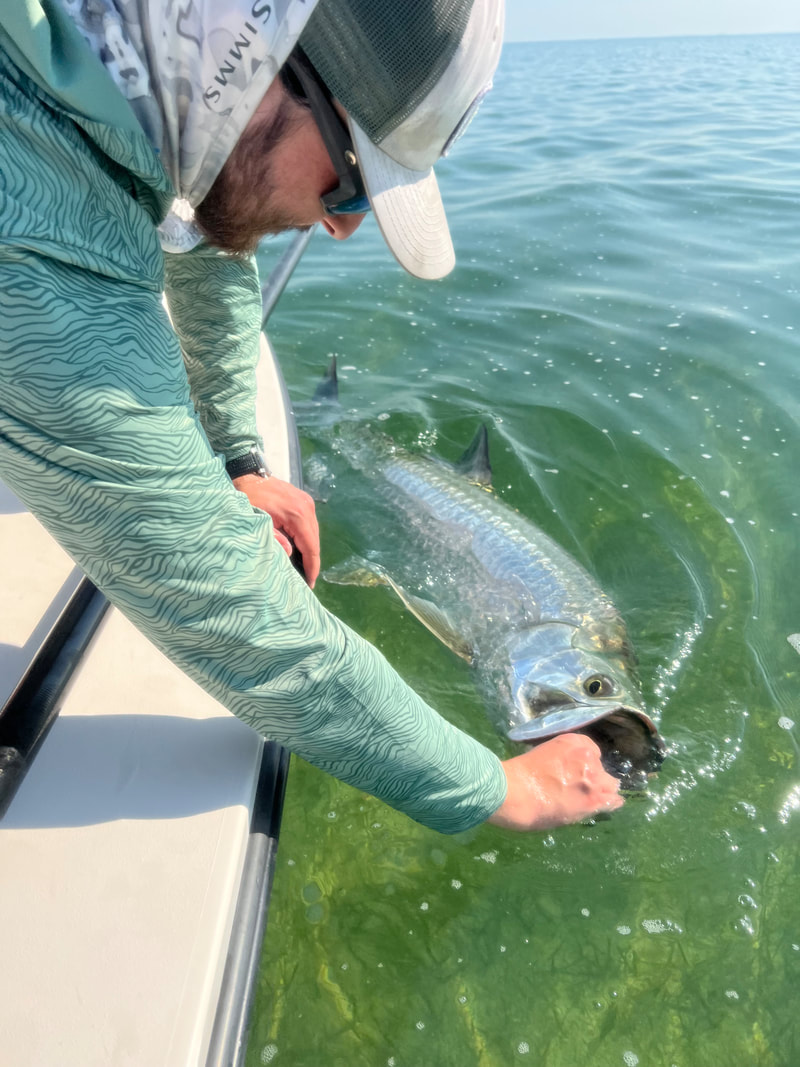
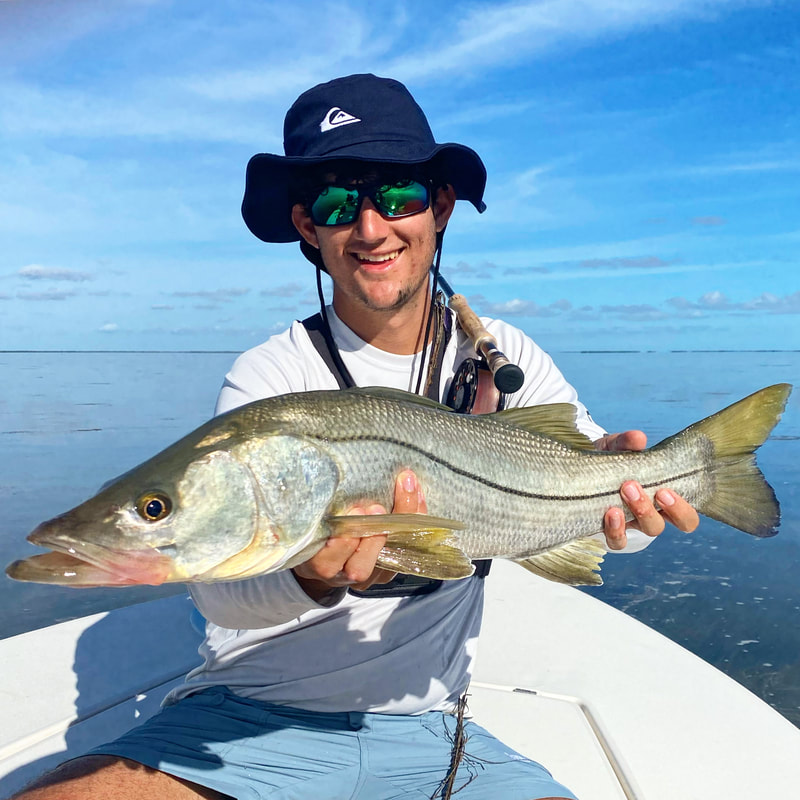
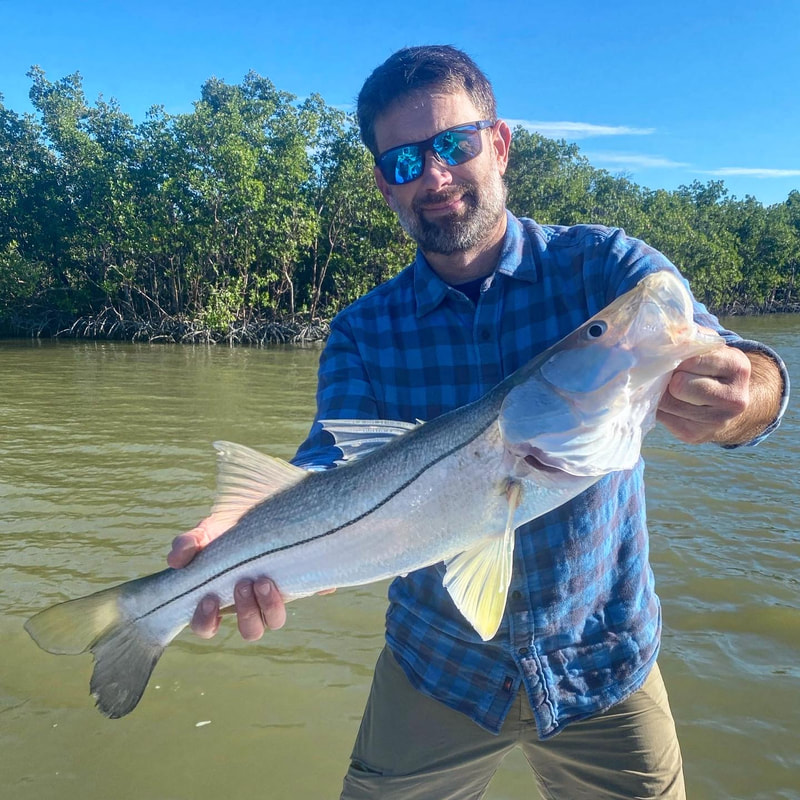
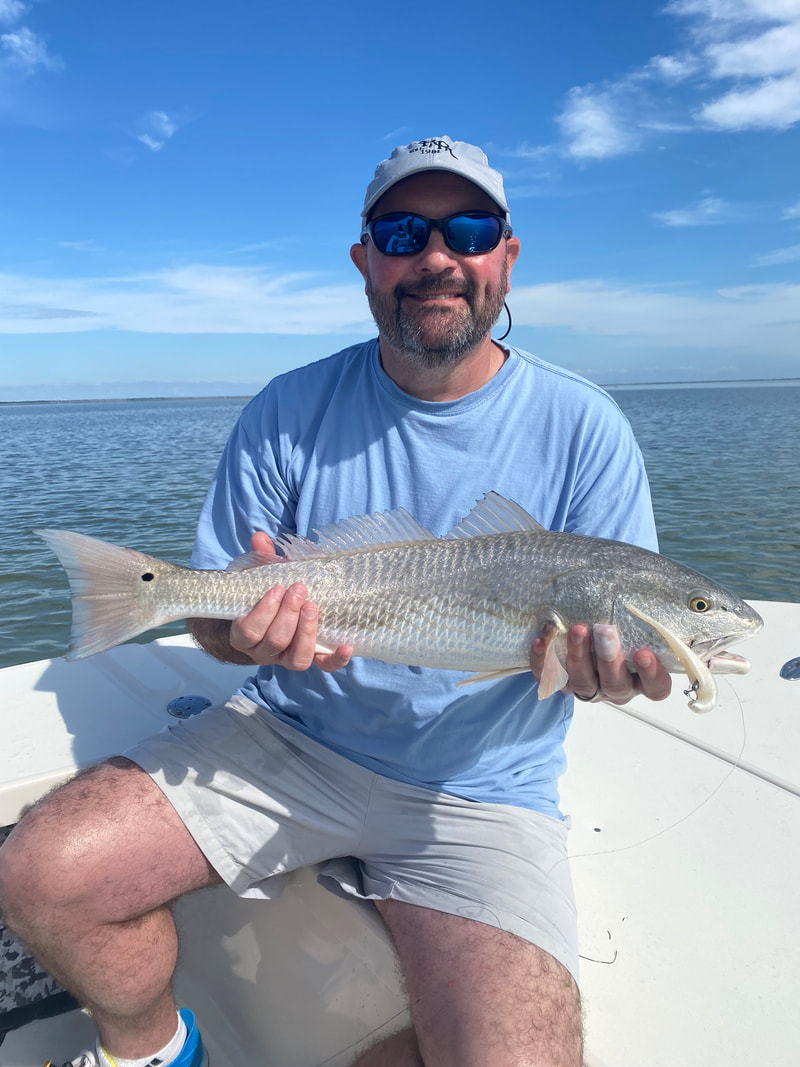
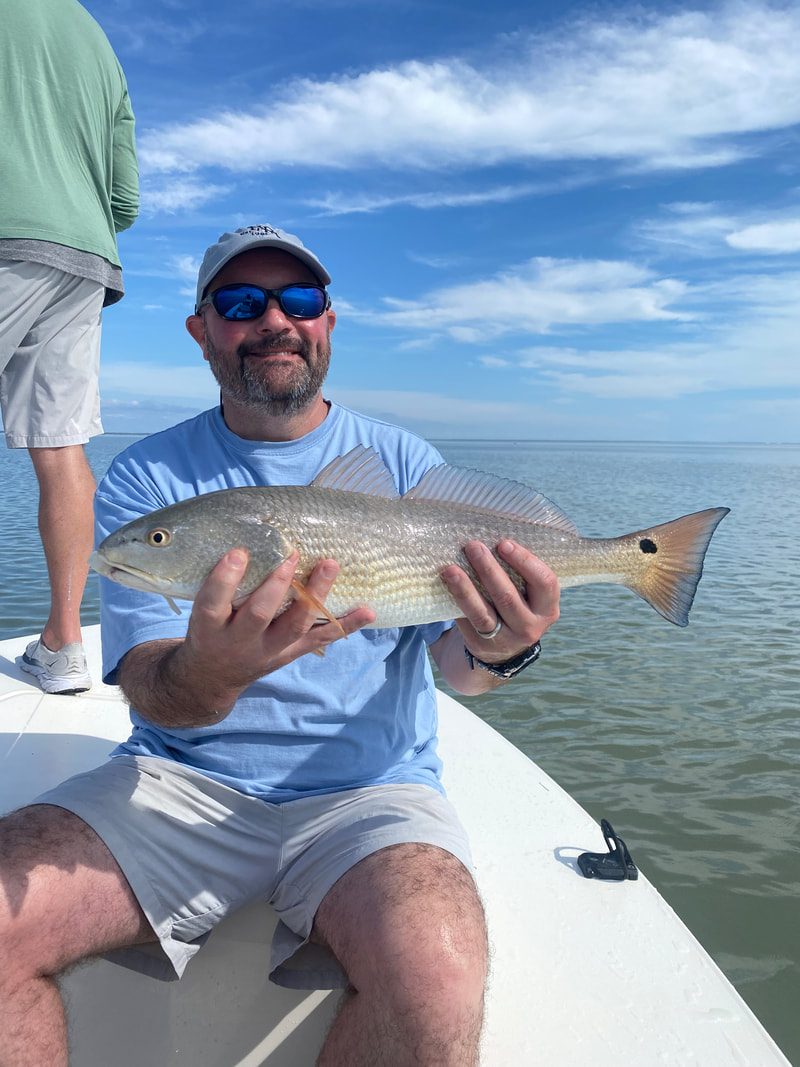
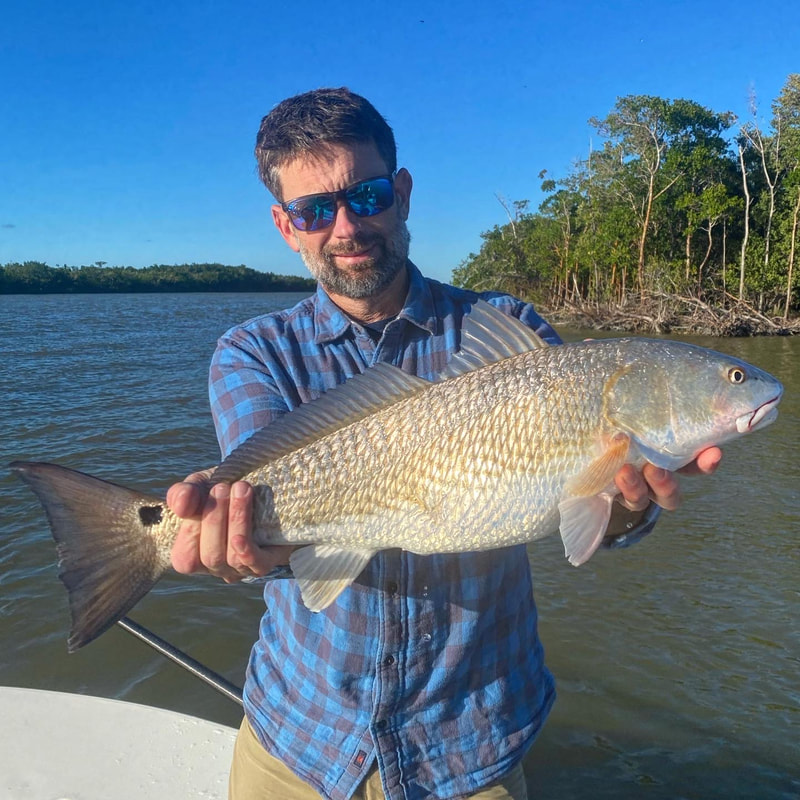
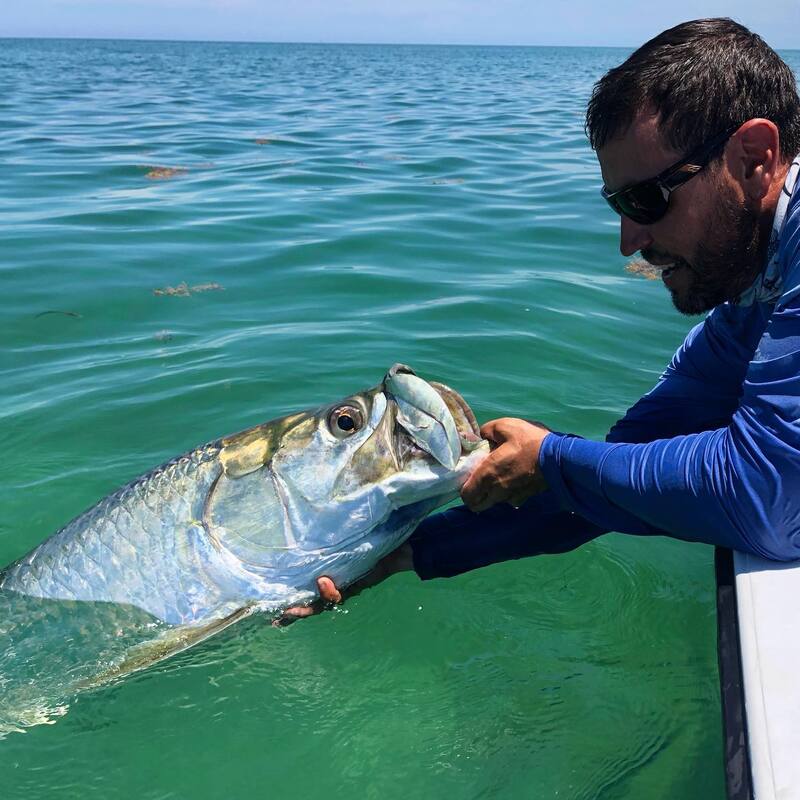
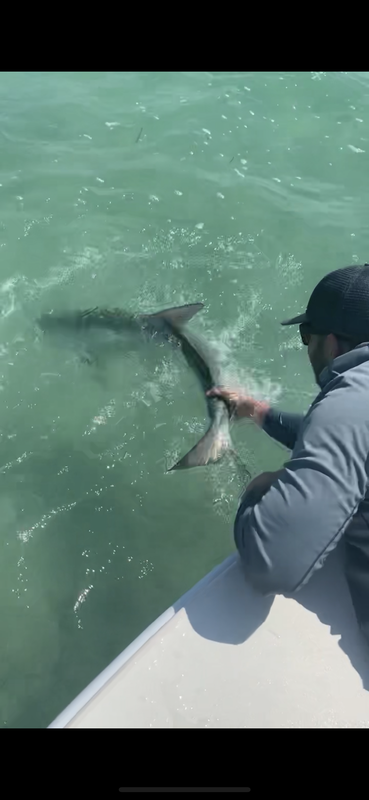
What sets fall fishing in the Everglades apart is the incredible variety of species that become active as the water temperatures drop into that perfect range. Snook start moving out of their summer haunts in the deeper creeks and begin prowling the shallow flats and mangrove edges where they're much more accessible to both fly and spin fishing techniques. Redfish form massive schools that patrol the turtle grass flats, creating some of the most exciting sight fishing opportunities you'll find anywhere in Florida. Tarpon in the 20 to 60 pound range become regular residents in the backcountry, rolling and feeding in areas where you can actually sight cast to them instead of just hoping for a lucky hookup. The spotted seatrout fishing explodes on the deeper flats, and jack crevalle roam in aggressive packs that will crush anything you throw at them, making every trip an adventure where you never know what's going to hit your lure or fly next.
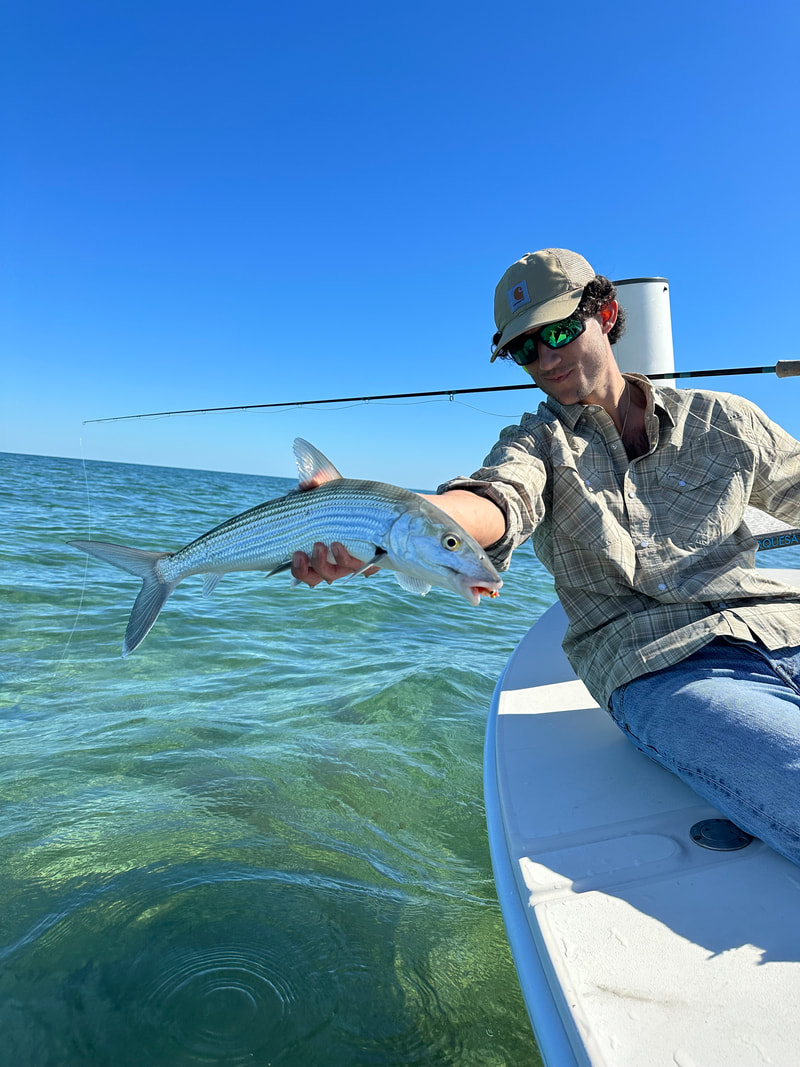
My approach to fishing the Everglades in fall focuses heavily on versatility because this environment demands it. I always have both fly and conventional spinning gear ready because the fishing situation can change completely from one spot to the next. When we're sight fishing to laid-up tarpon in a shallow creek, there's nothing quite like watching one of these silver kings slowly turn and eat a perfectly presented fly - it's pure magic that gets my heart racing every single time. But when we encounter a school of aggressive jacks tearing through baitfish on a deeper flat, spinning gear with topwater plugs or spoons becomes the most effective way to capitalize on the feeding frenzy. The beauty of the Everglades is that it offers the perfect platform for both techniques, often within the same trip, keeping every moment on the water exciting and unpredictable.
The challenges of fishing in Everglades National Park are what make the rewards so much sweeter. This isn't your typical guided fishing experience where we motor out to well-known spots and drop lines - this requires reading water, understanding tides, and navigating through a wilderness that can be unforgiving to those who don't respect it. Fall brings some unique advantages though, as the lower humidity and cooler temperatures make those long runs through the backcountry much more comfortable, and the reduced summer thunderstorm activity means we can explore deeper into the park without worrying about getting caught in dangerous weather. The mosquito populations also drop significantly, making those early morning and late afternoon sessions much more enjoyable as we work the mangrove shorelines and shallow flats where the biggest fish like to feed.
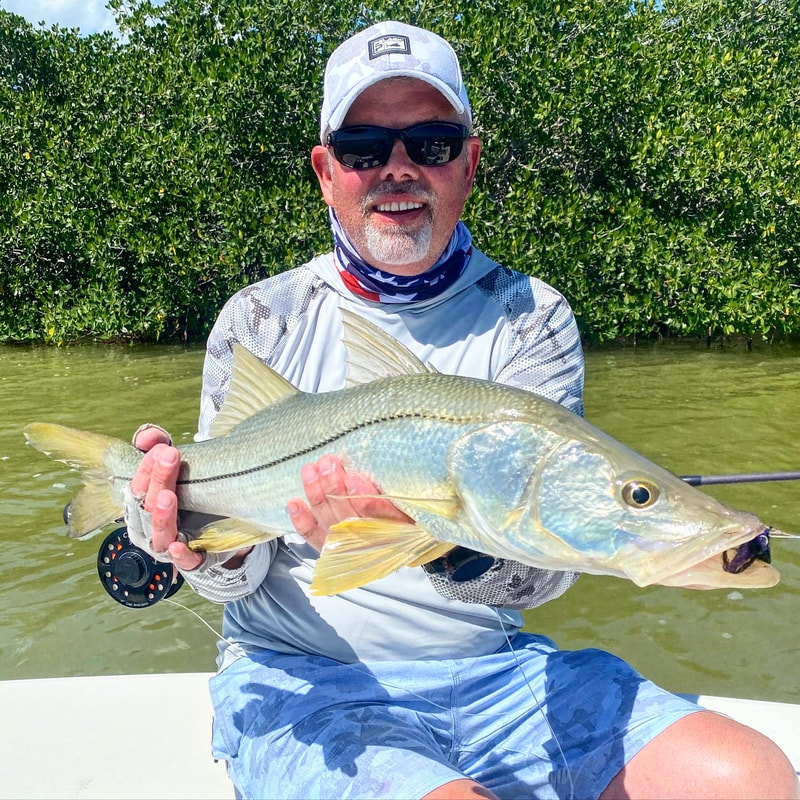
Every trip into the Everglades during fall season reinforces why I'm so passionate about fishing this incredible ecosystem. There's something deeply satisfying about hooking into a massive snook or tarpon in a place where you might be the only person for miles in any direction, surrounded by the raw beauty of one of America's most important wilderness areas. The solitude, the pristine environment, and the world-class fishing combine to create experiences that stay with you long after you've left the water. Whether we're poling through skinny water stalking tailing redfish, blind casting to mangrove edges for snook, or sight fishing to rolling tarpon with fly gear, the Everglades in fall offers something that you simply can't find anywhere else - the chance to fish in one of the last true wilderness areas in Florida while targeting some of the most sought-after gamefish in the world.


RSS Feed