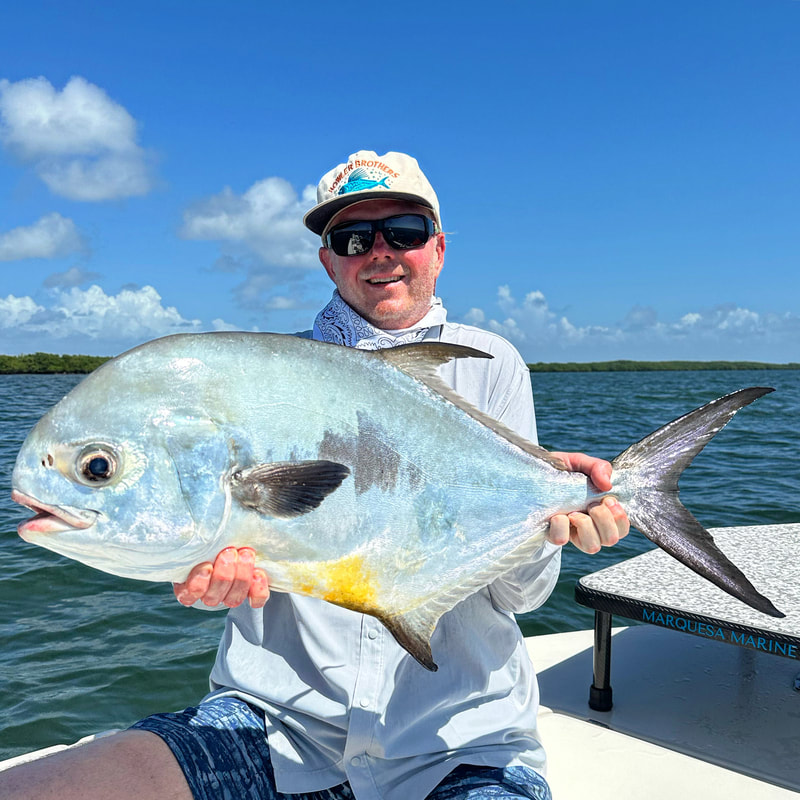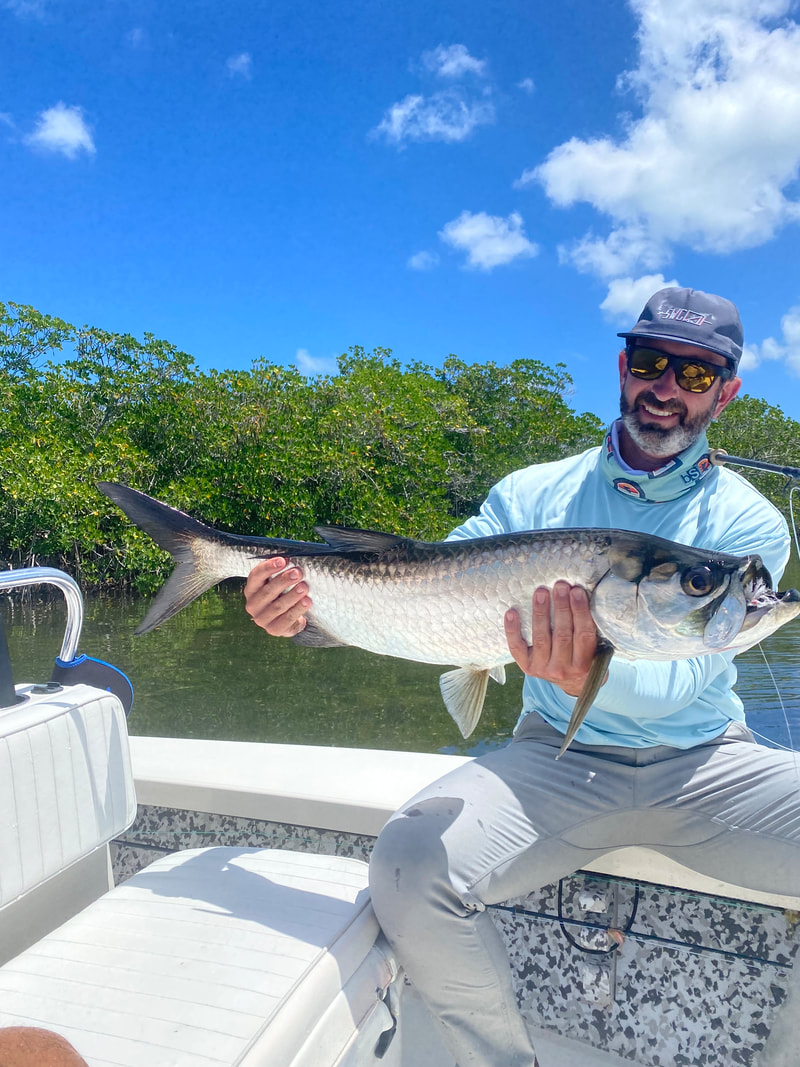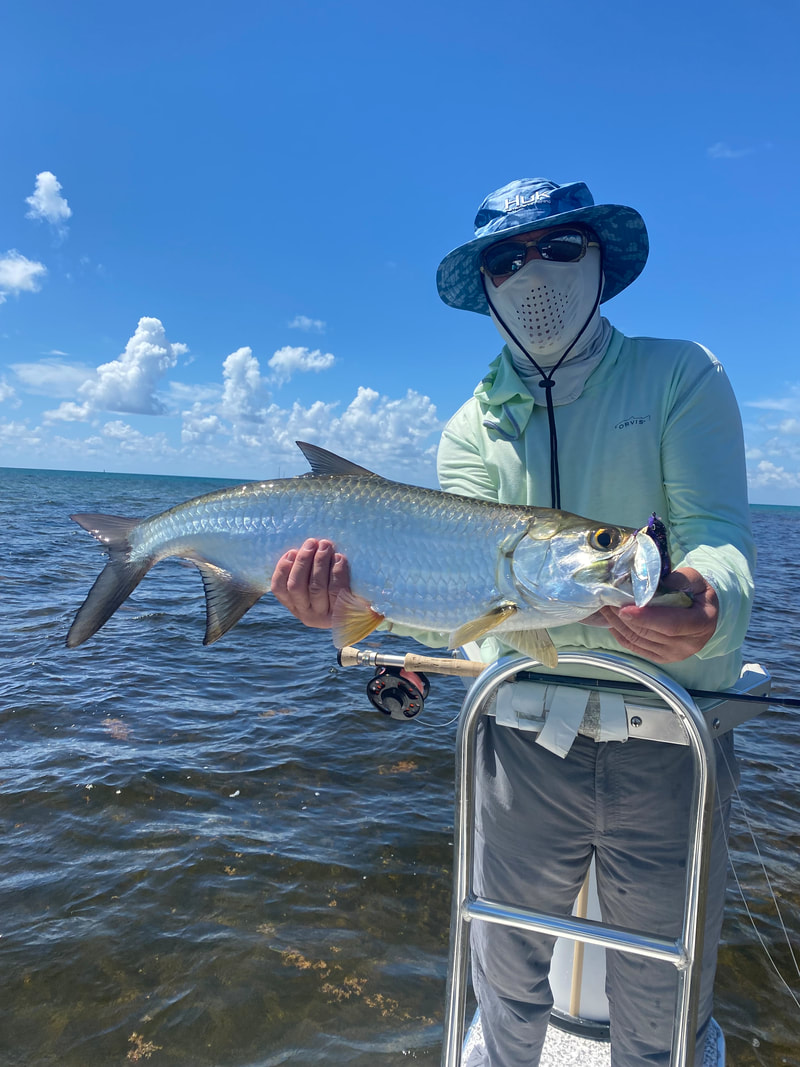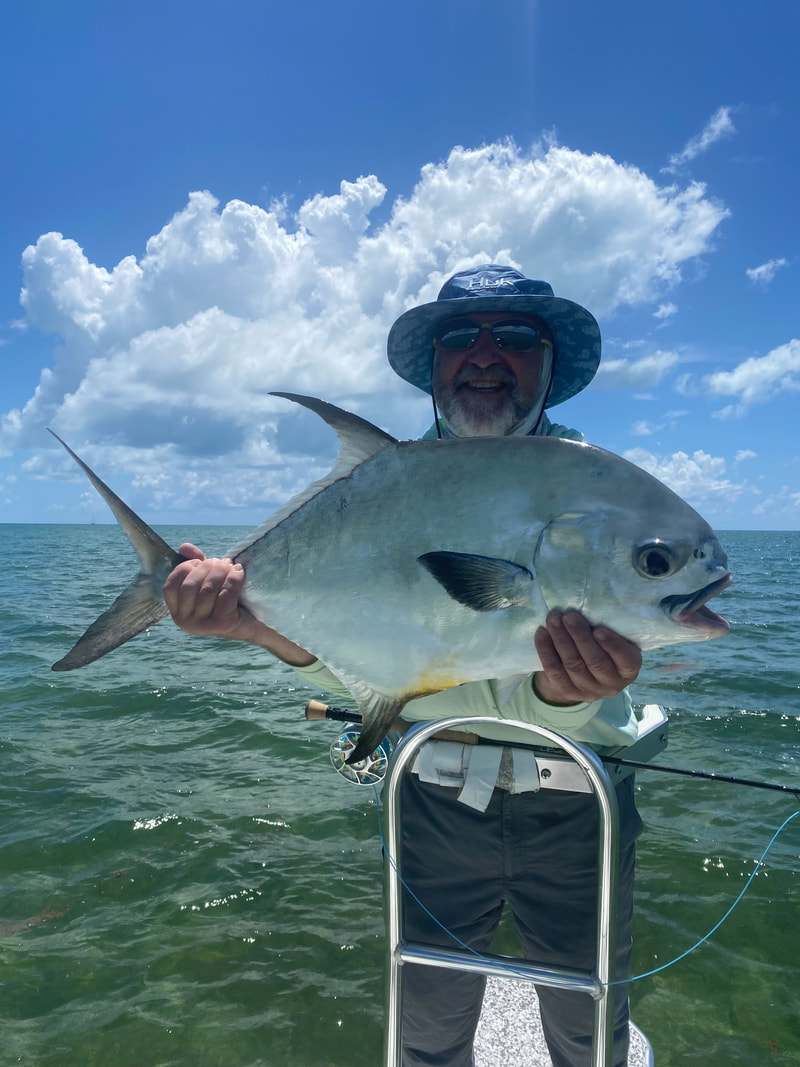
Islamorada Inshore Fishing Charters :: Florida Keys Fly Fishing Charters
  • HOME
  • ABOUT
  • RATES
    • POLING SKIFF RATES
    • BAY BOAT RATES
    • FLORIDA KEYS FLY FISHING INFO
  • PHOTOS
  • REPORTS
  • CONTACT

Why December is Prime Time for Fly Fishing in Islamorada and the Everglades

11/12/2025

0 Comments

 
Picture
As we approach the end of the year, many anglers are thinking about their holiday plans—and if you love fly fishing, December in South Florida is calling your name. Whether you're a seasoned fly caster or looking to try something new, I invite you to join me for a charter this December.

December ushers in some of the most pleasant weather South Florida has to offer. The oppressive heat and humidity of summer have finally passed, making for comfortable days on the water. You'll experience mild temperatures, typically ranging from the high 60s to low 70s—ideal for a full day of focused fishing without exhaustion. Lighter winds and clearer water visibility create excellent conditions for our inshore and backcountry fishing. The cooling water temperatures actually concentrate fish along the flats and backcountry areas, making them more predictable and easier to locate. The water clarity often improves significantly, giving us better sight-casting opportunities where you'll spot fish before making your presentation.
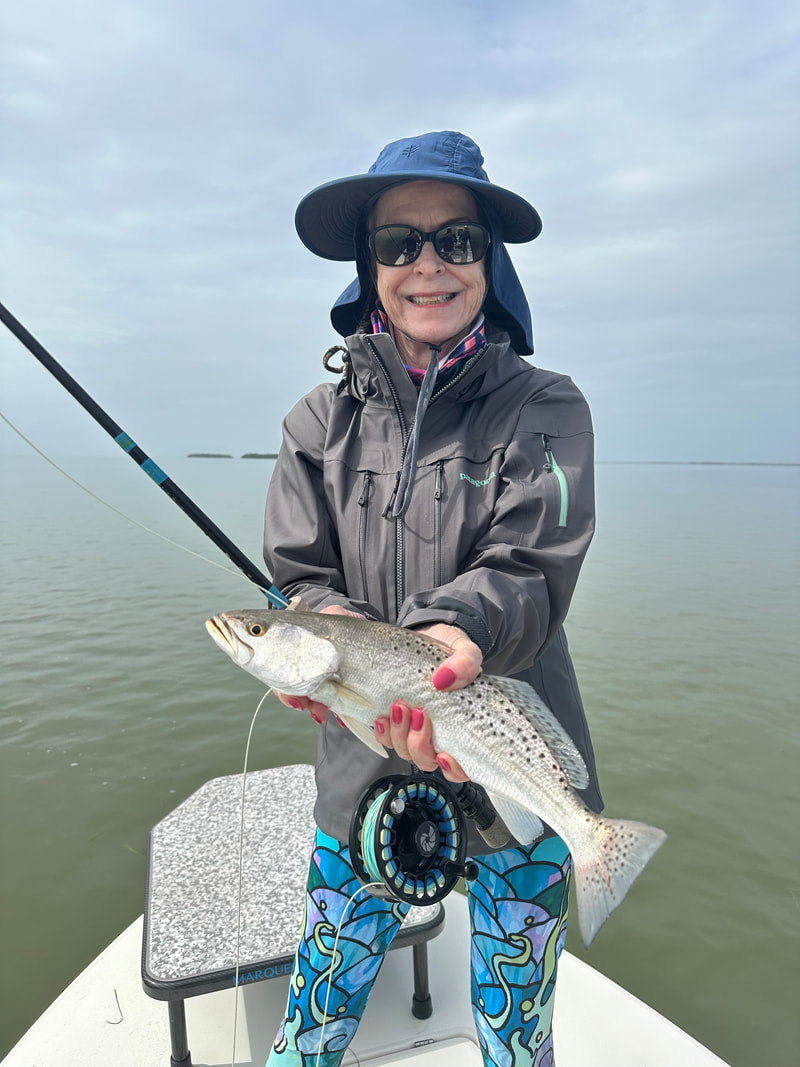
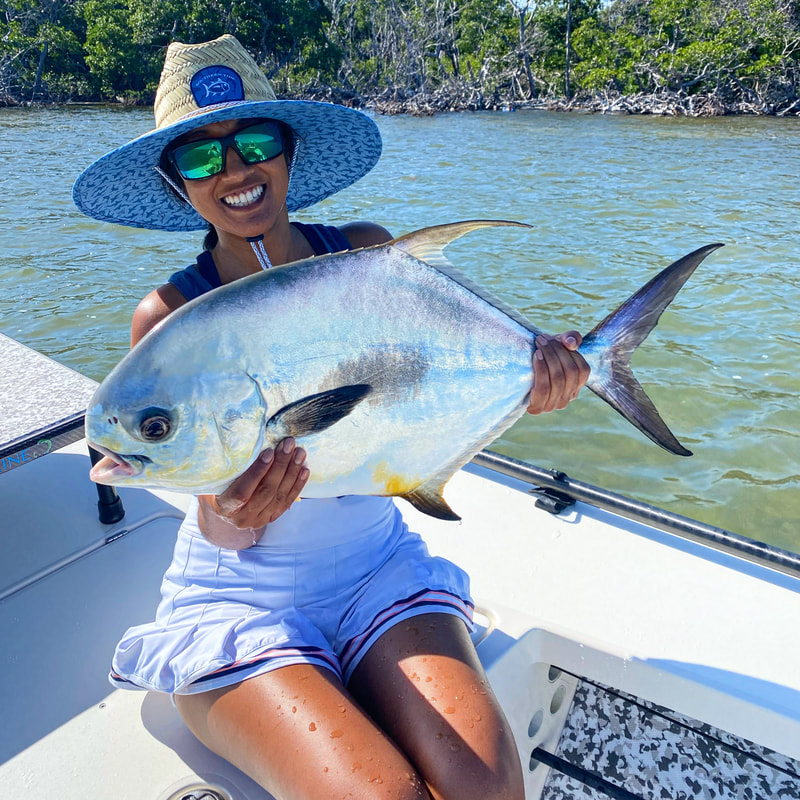
December is an exceptional time for fly fishing in South Florida because baitfish patterns shift, and our target species become highly active. The cooler water temperatures trigger feeding behavior as fish prepare for the winter months ahead. Permit become more aggressive, bonefish work the shallows with consistent enthusiasm, and redfish and snook move predictably through their seasonal haunts.

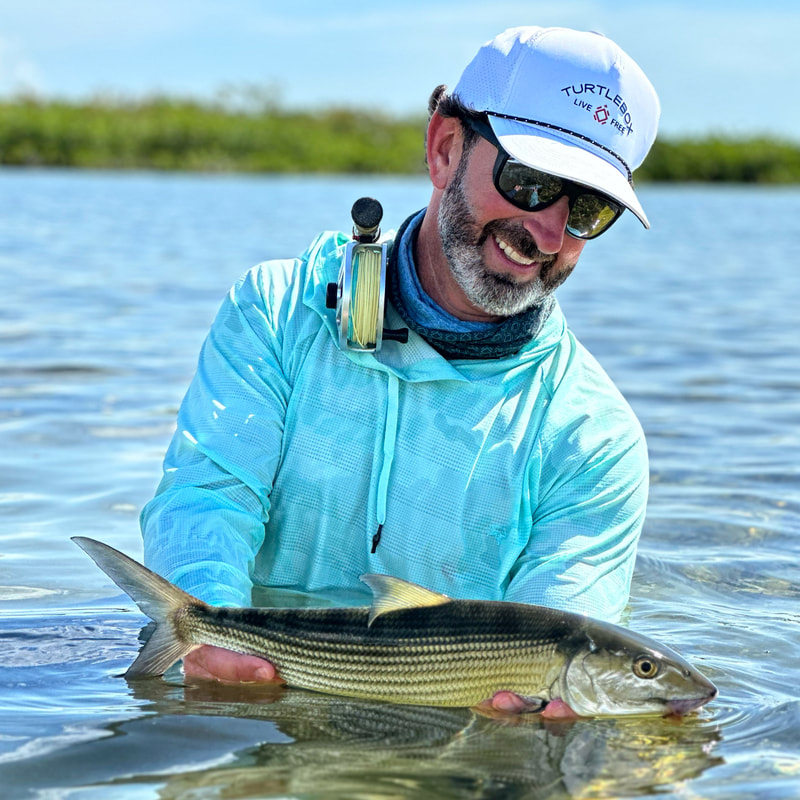
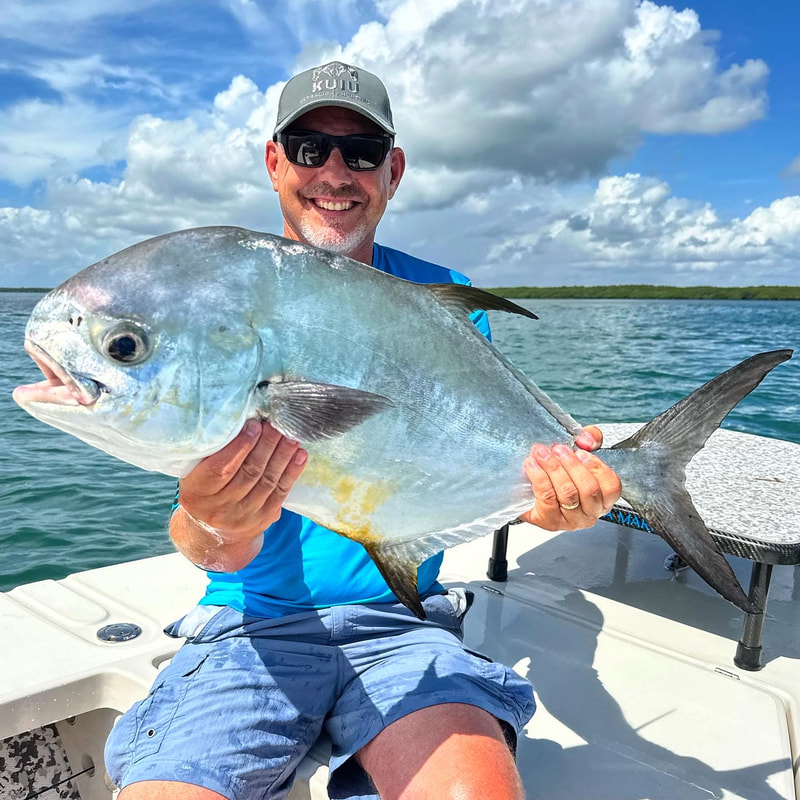
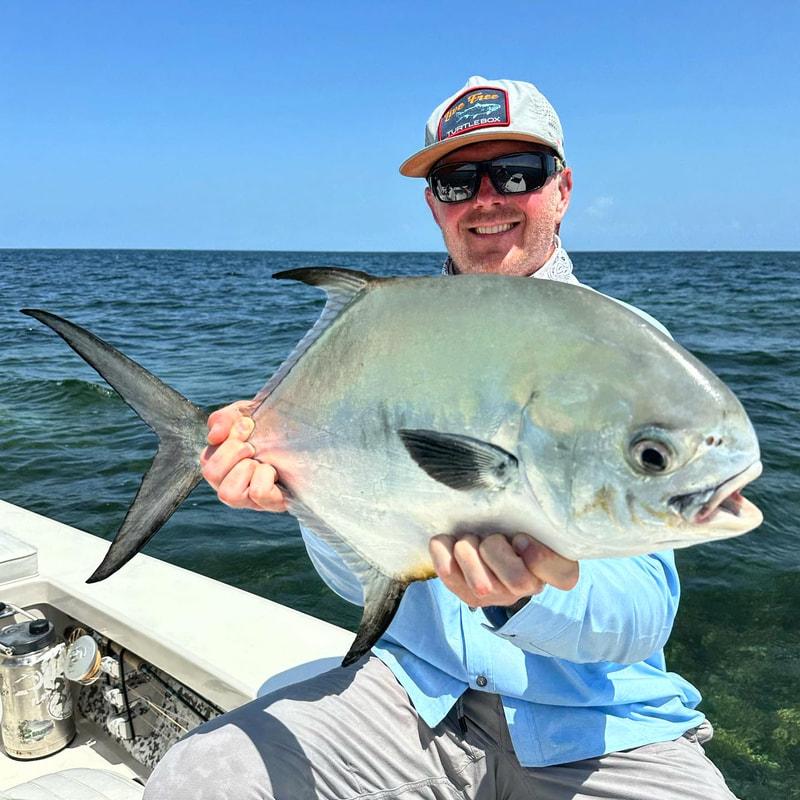
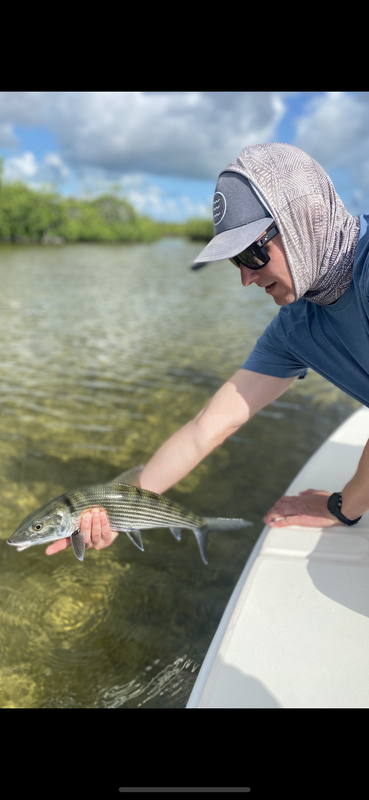
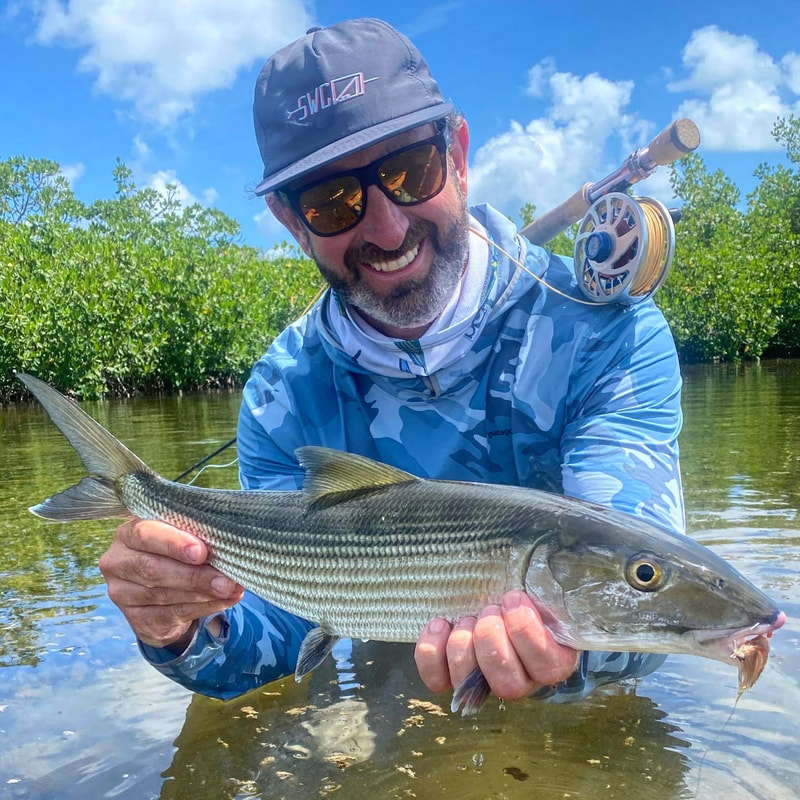
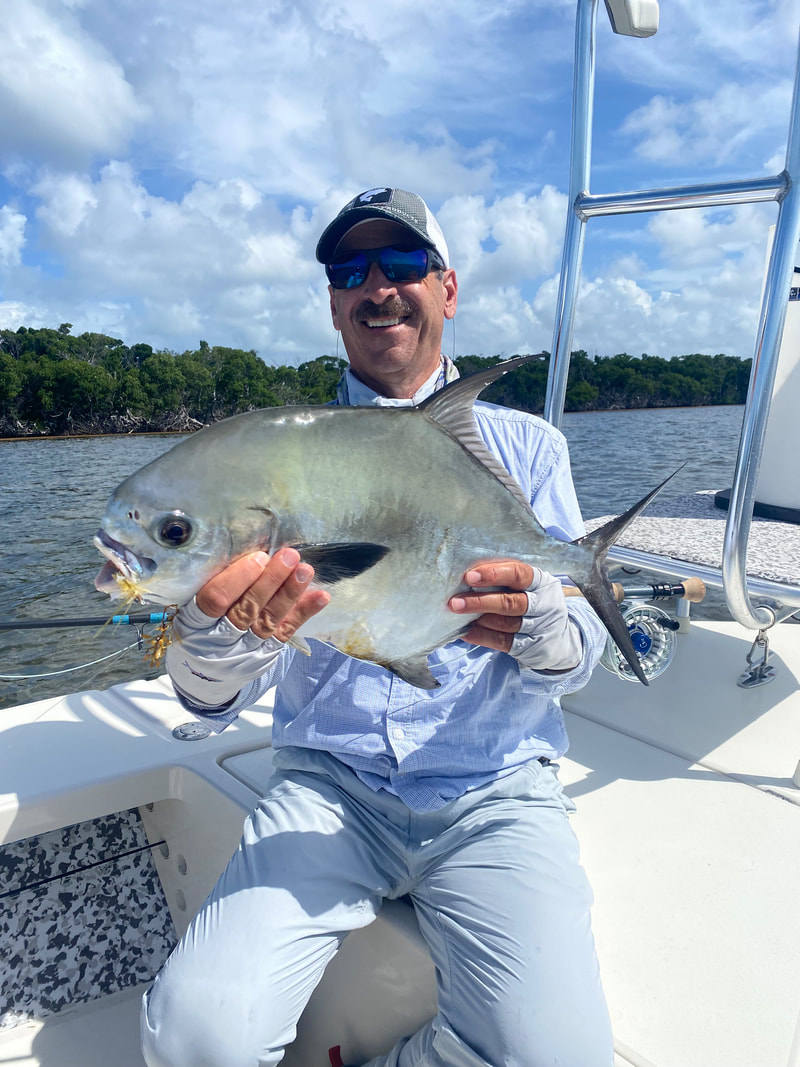
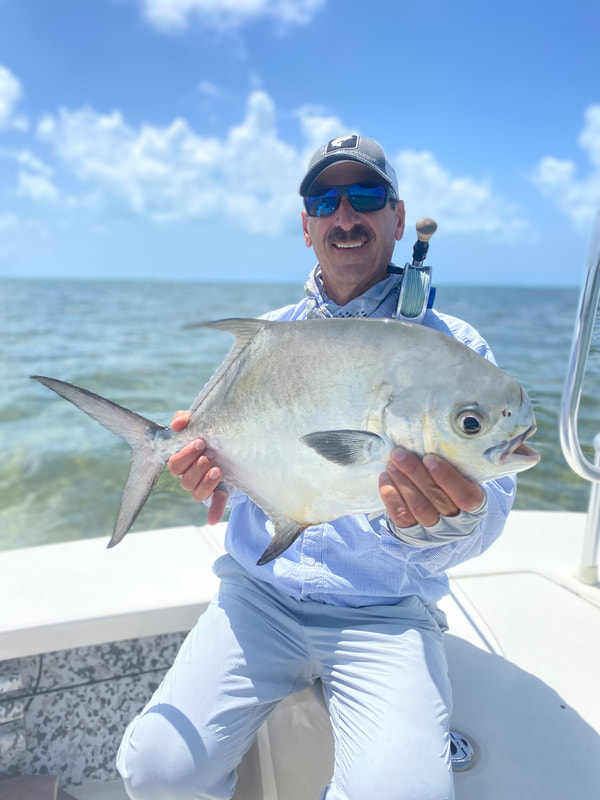
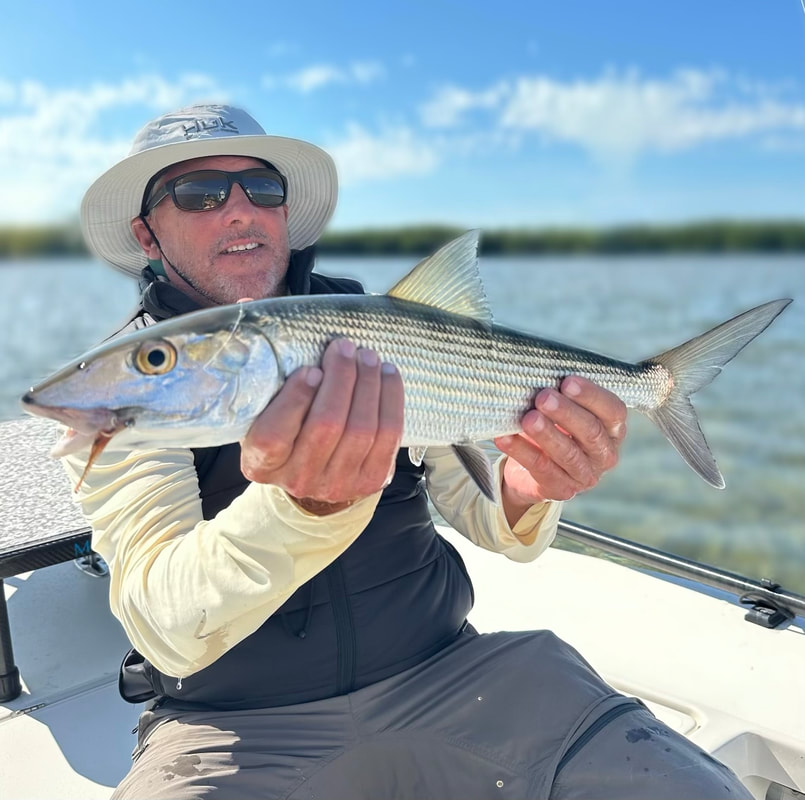
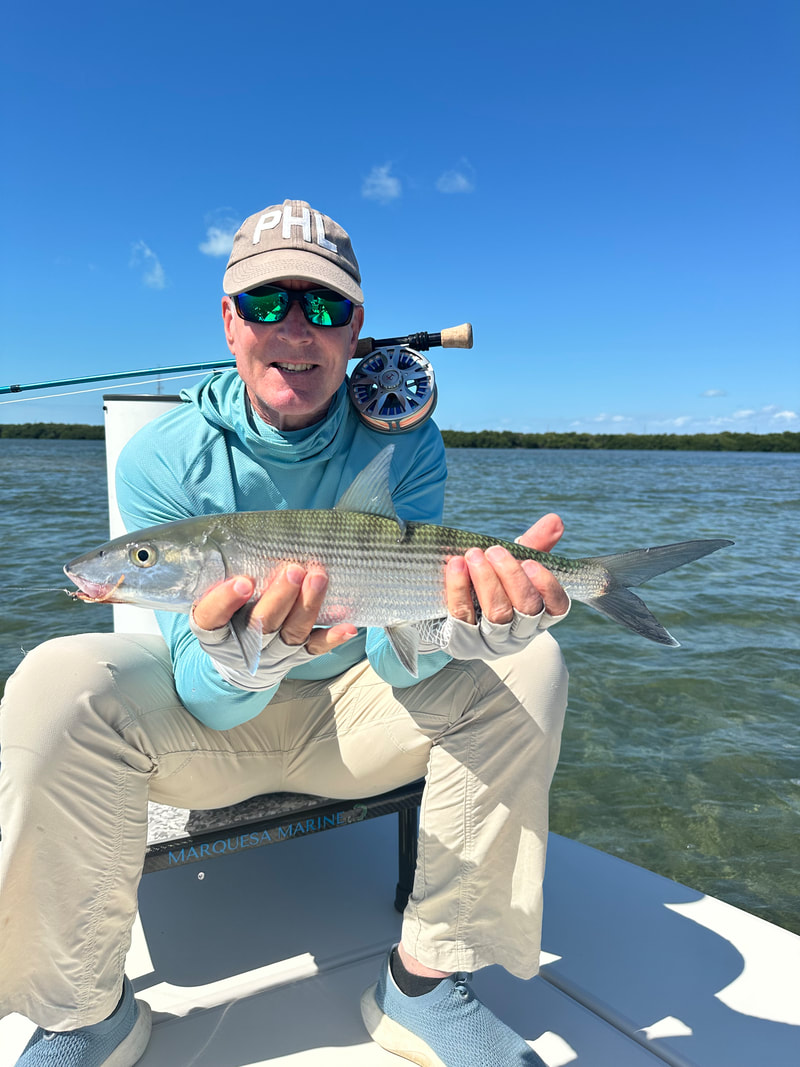
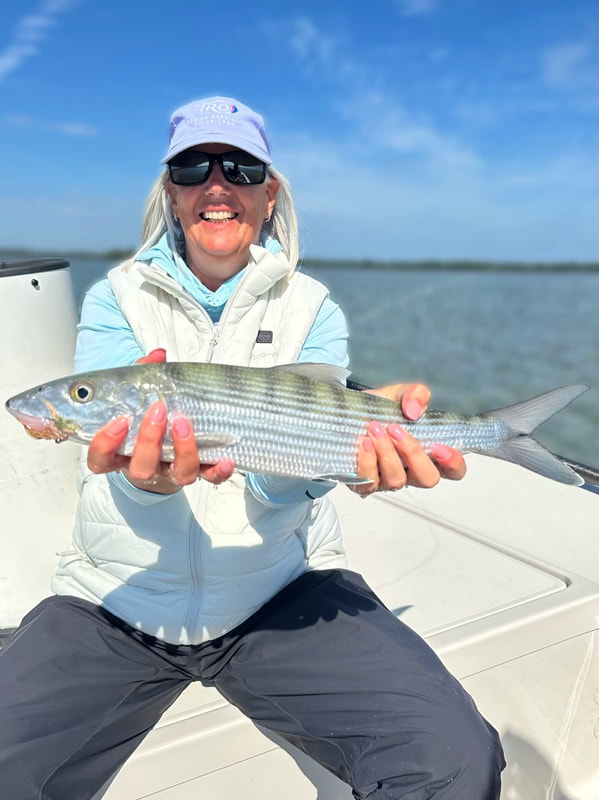
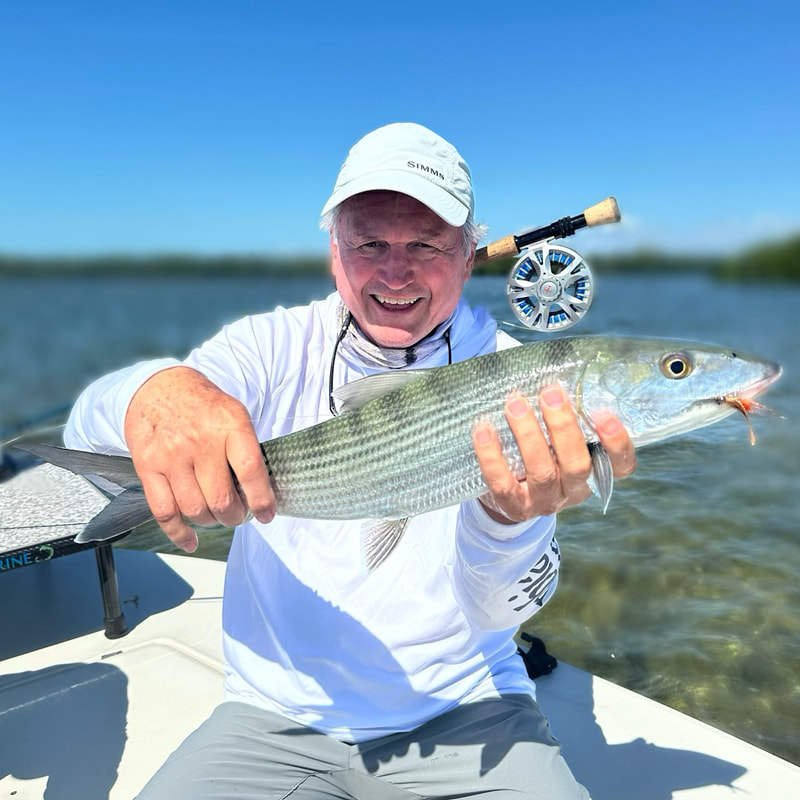
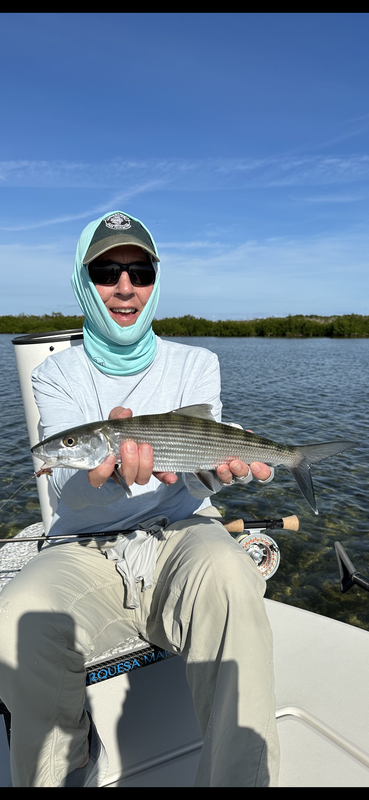
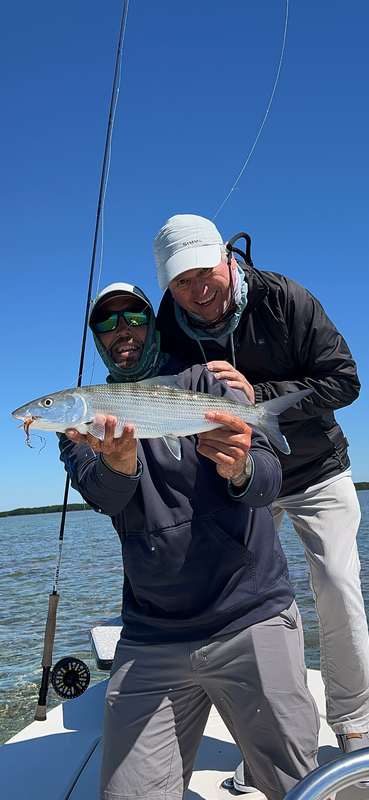
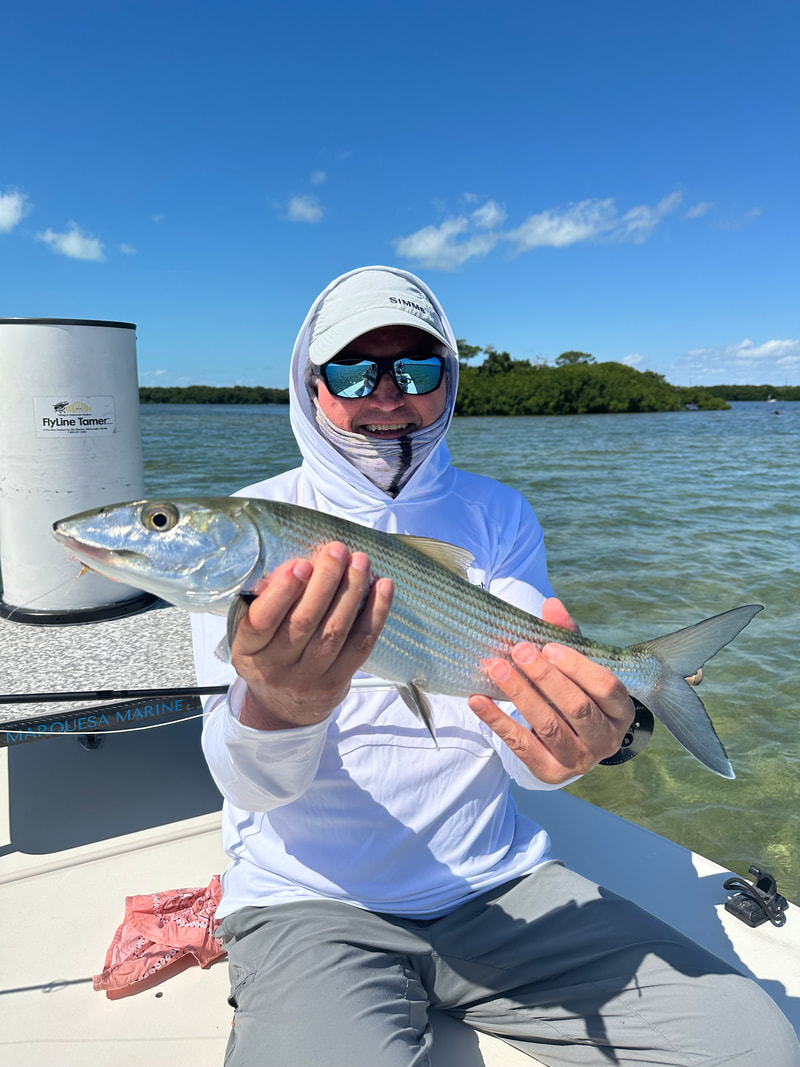
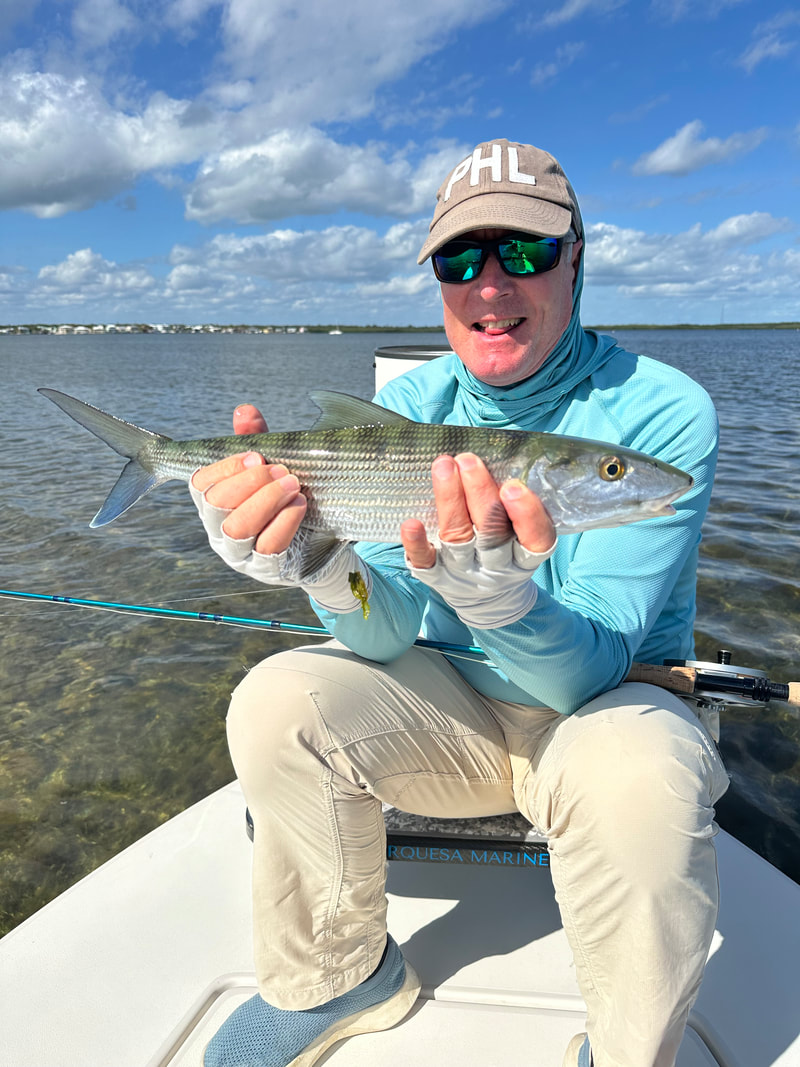
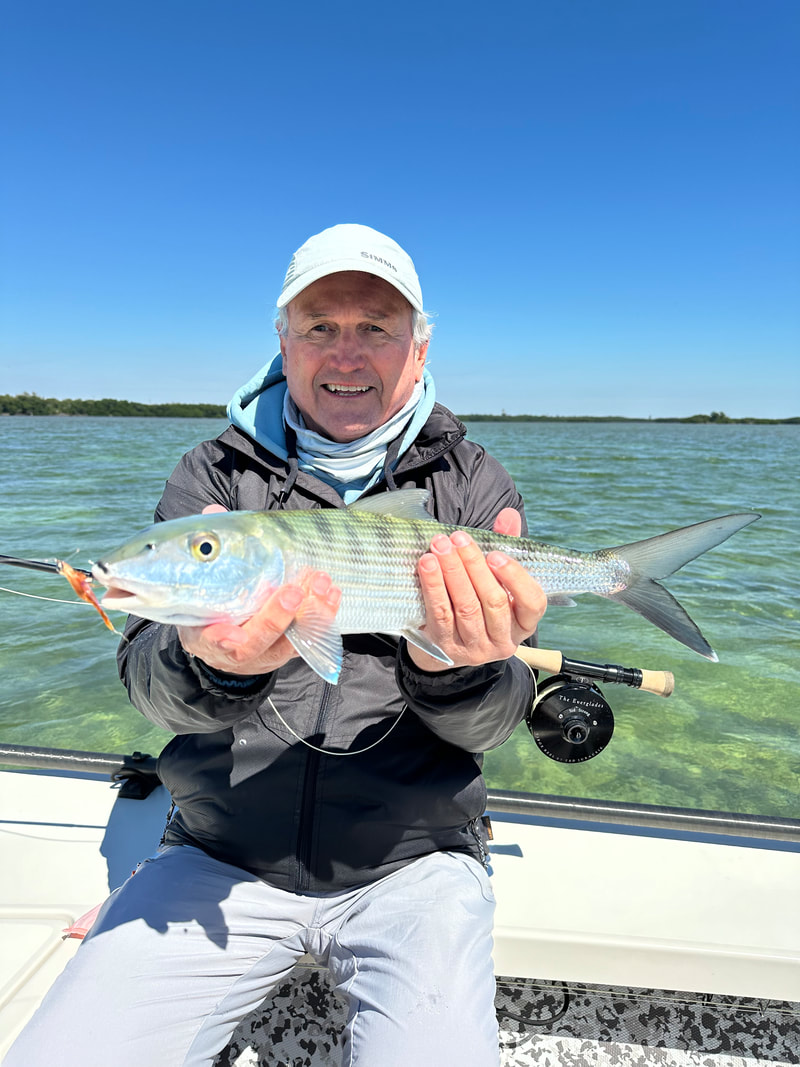
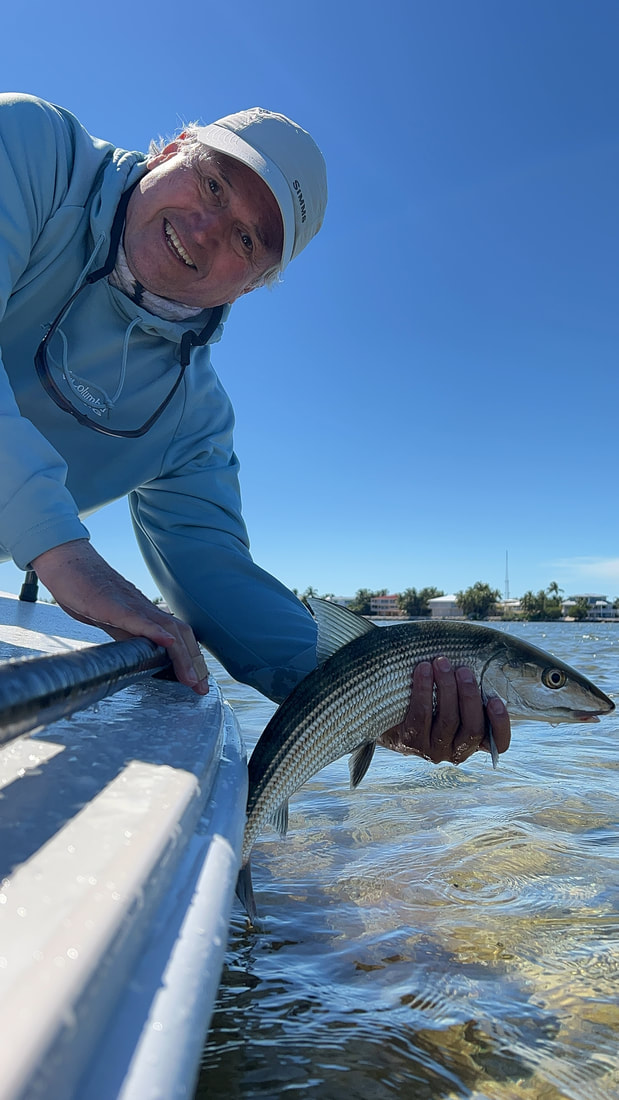
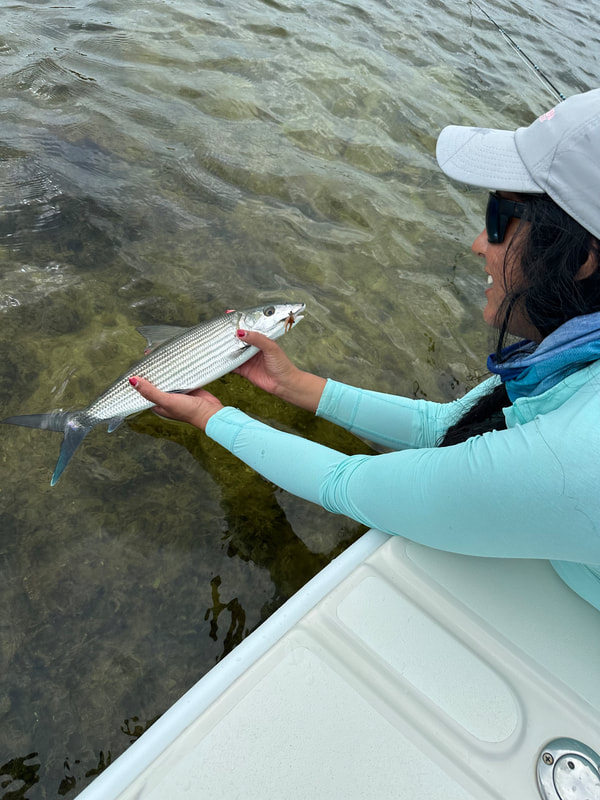
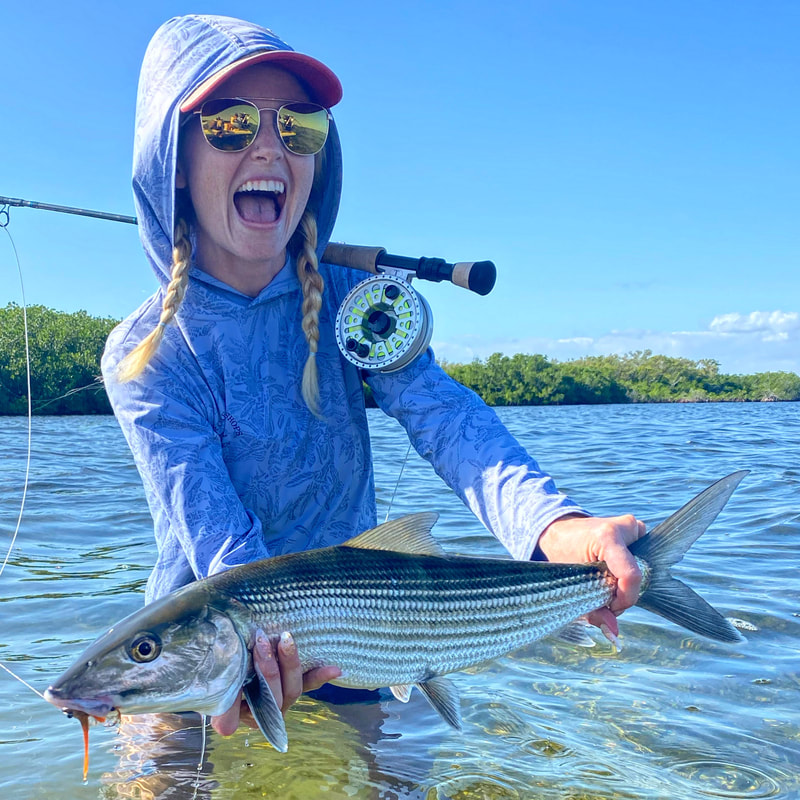
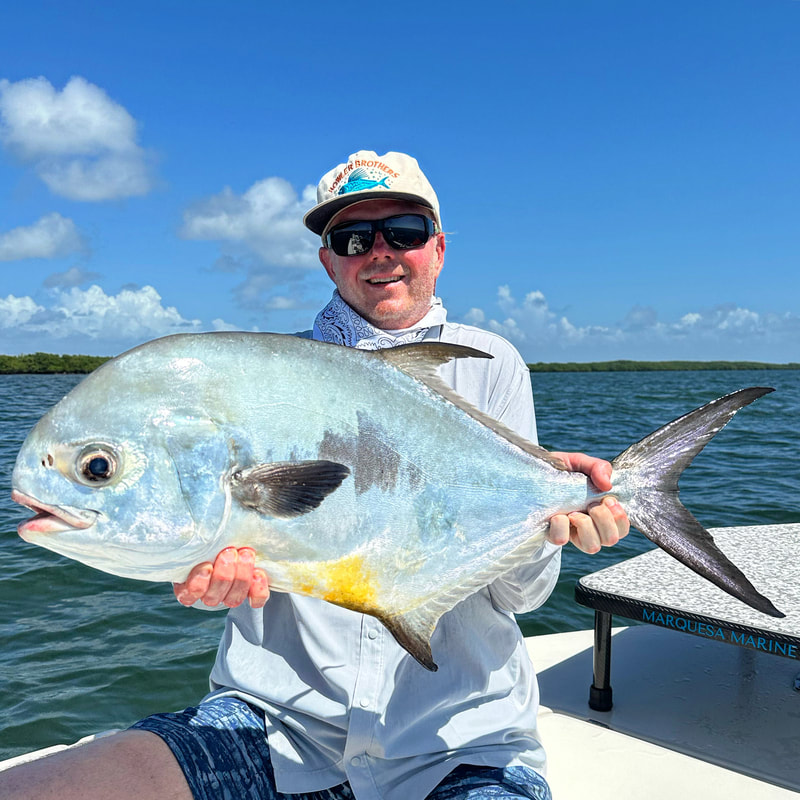
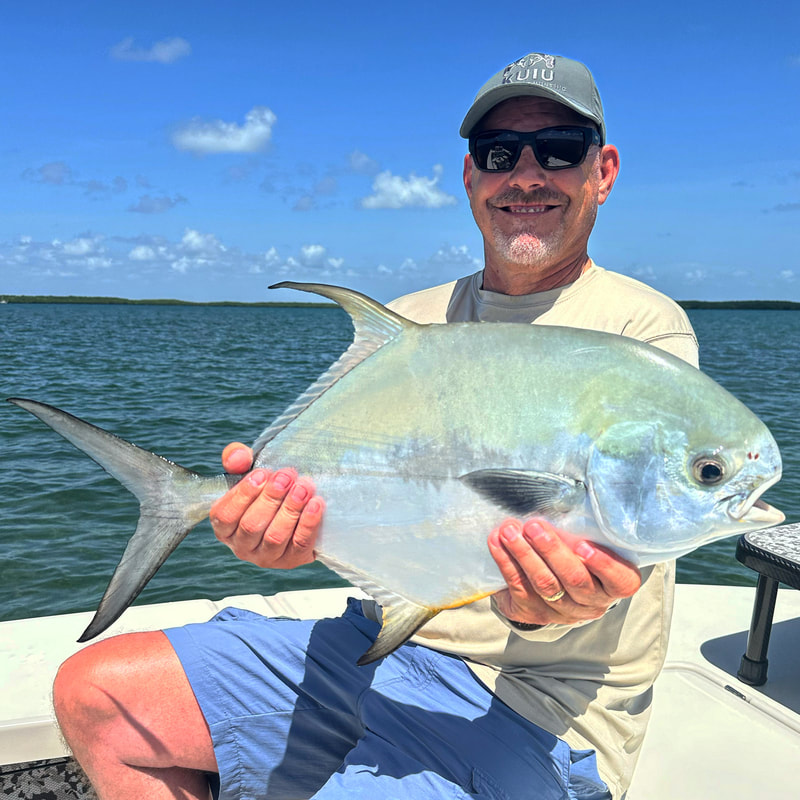
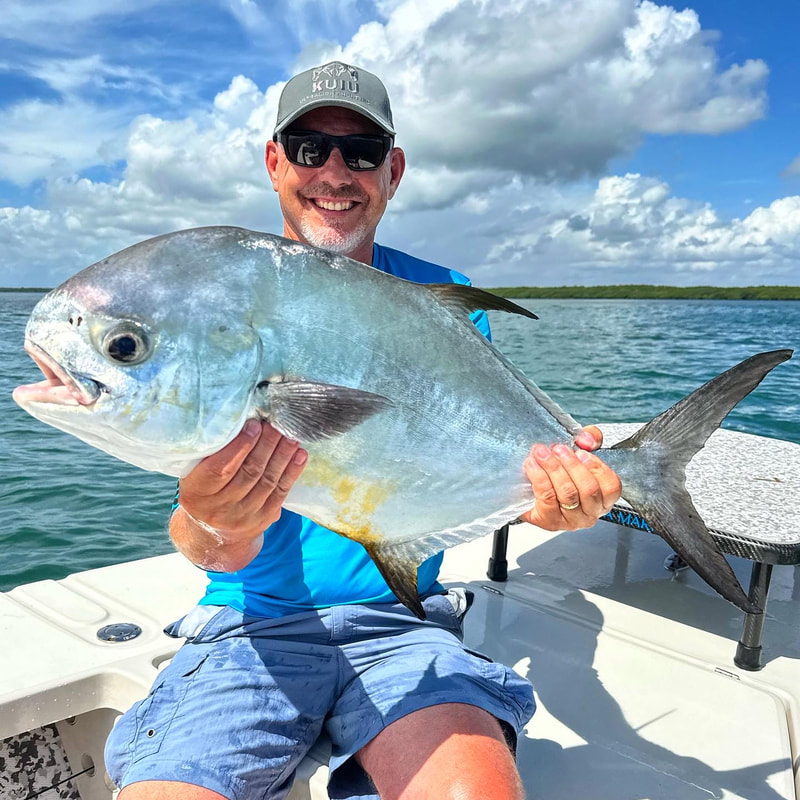
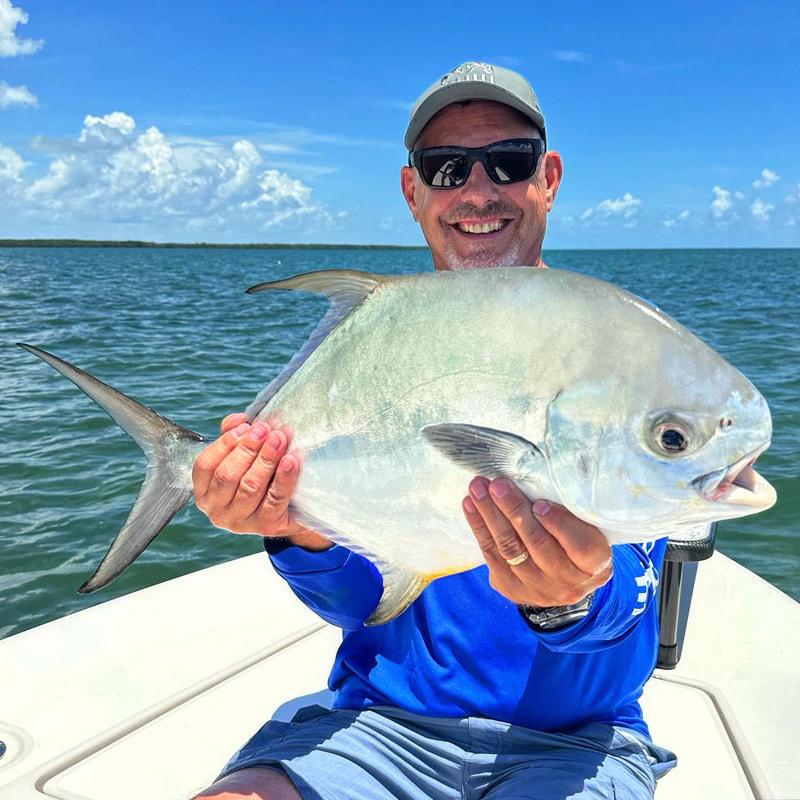
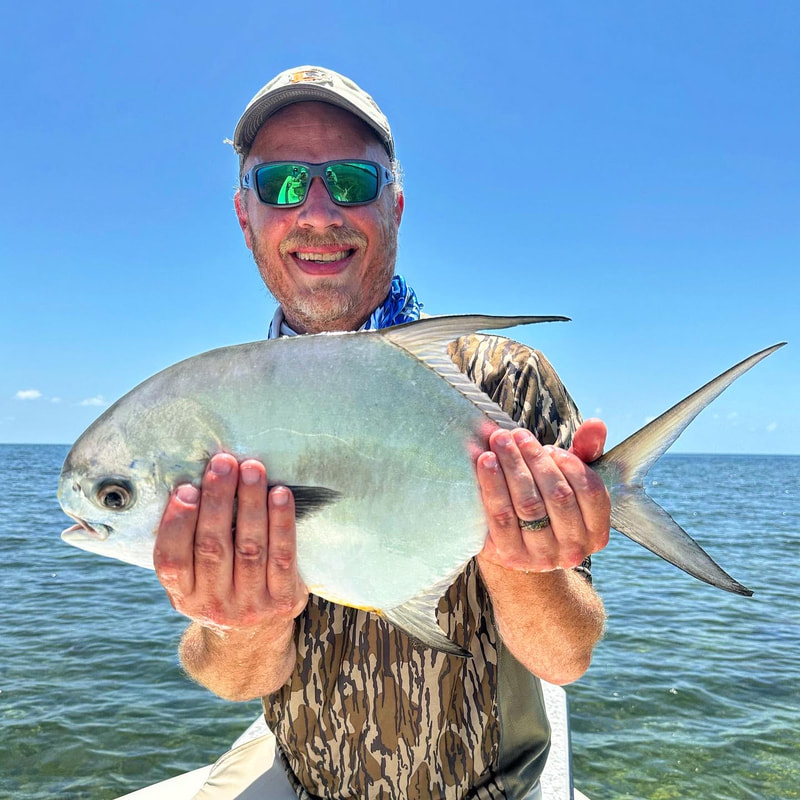
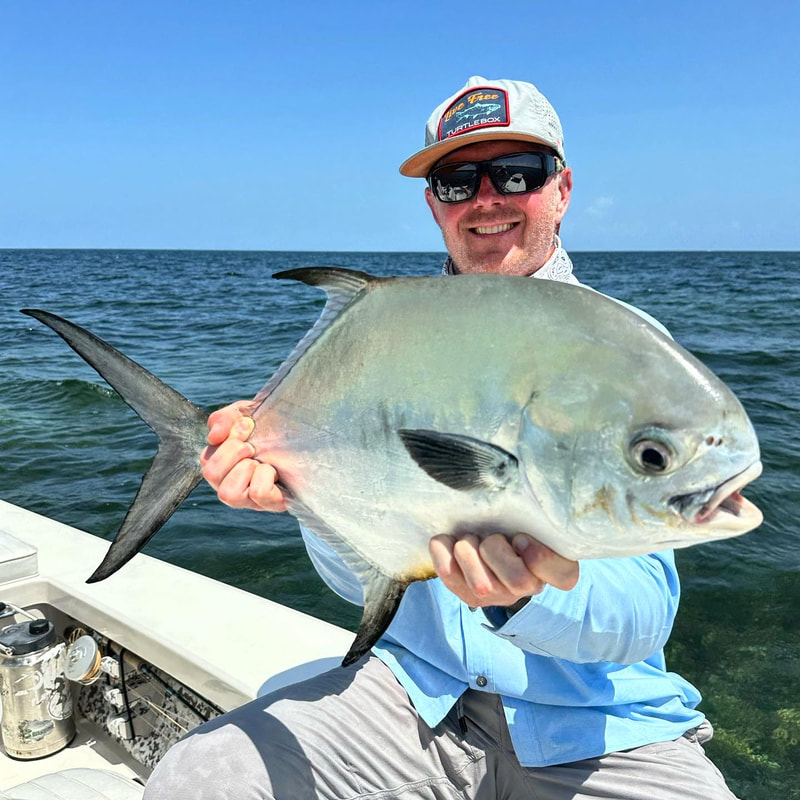
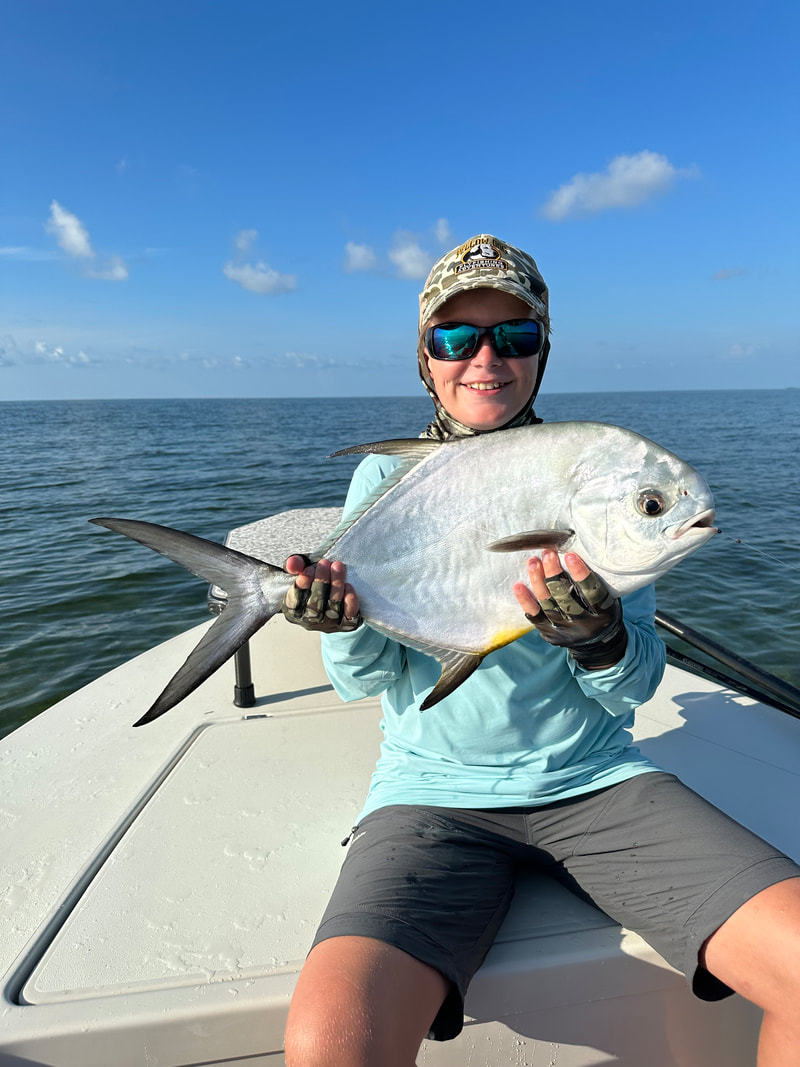
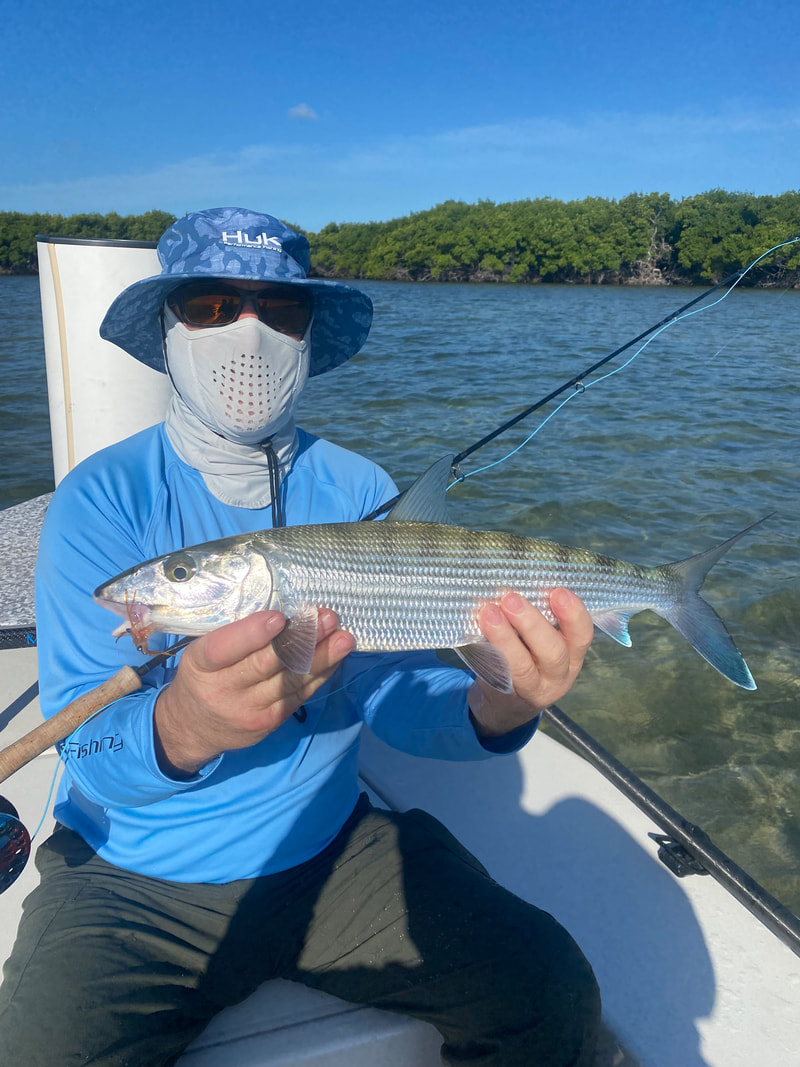
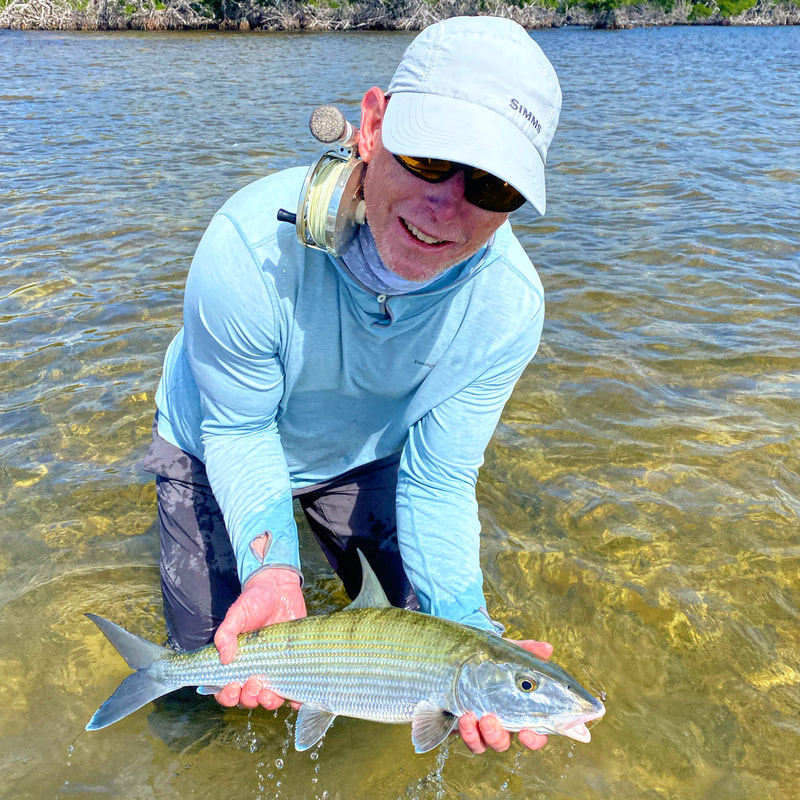
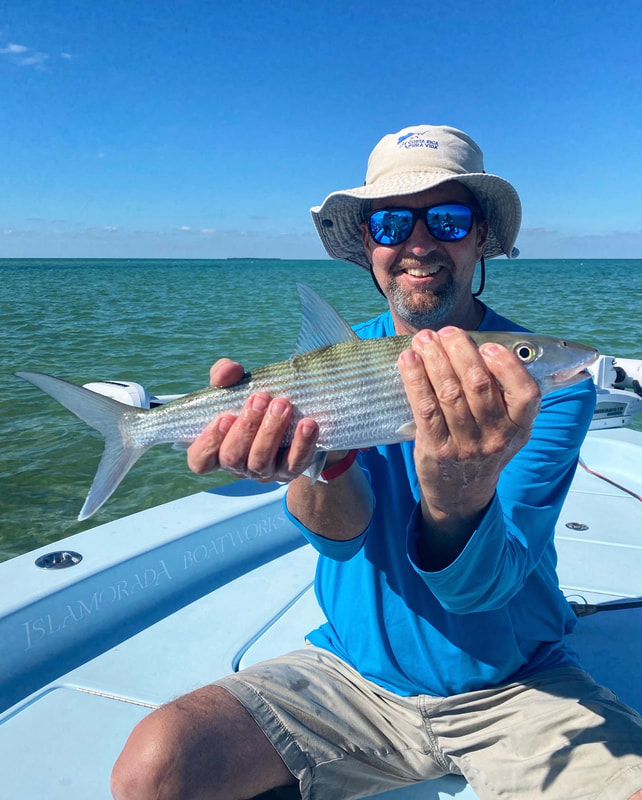
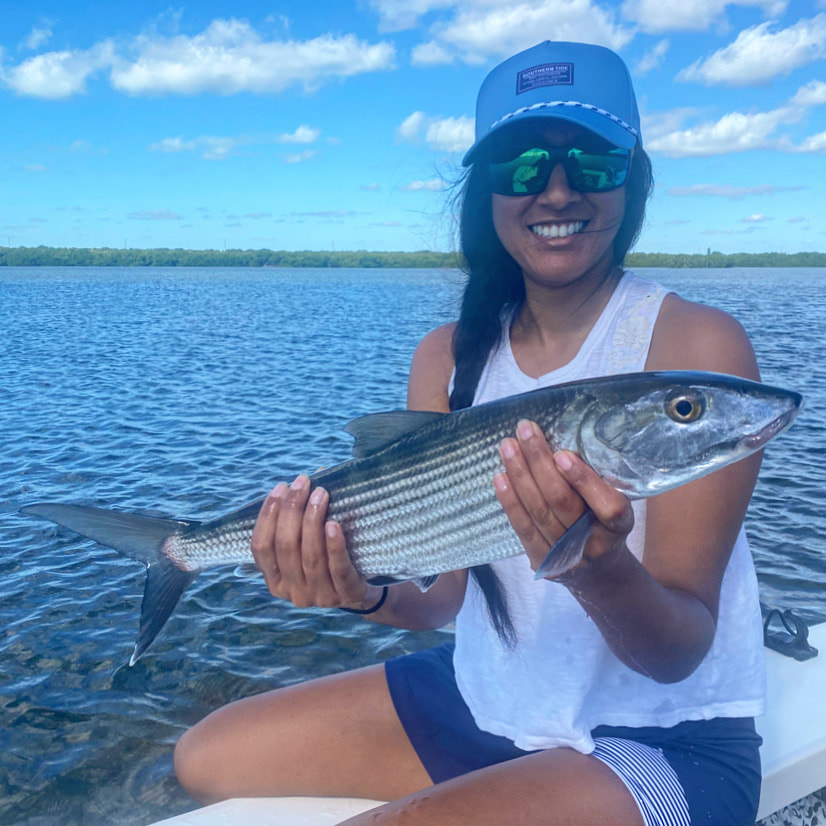
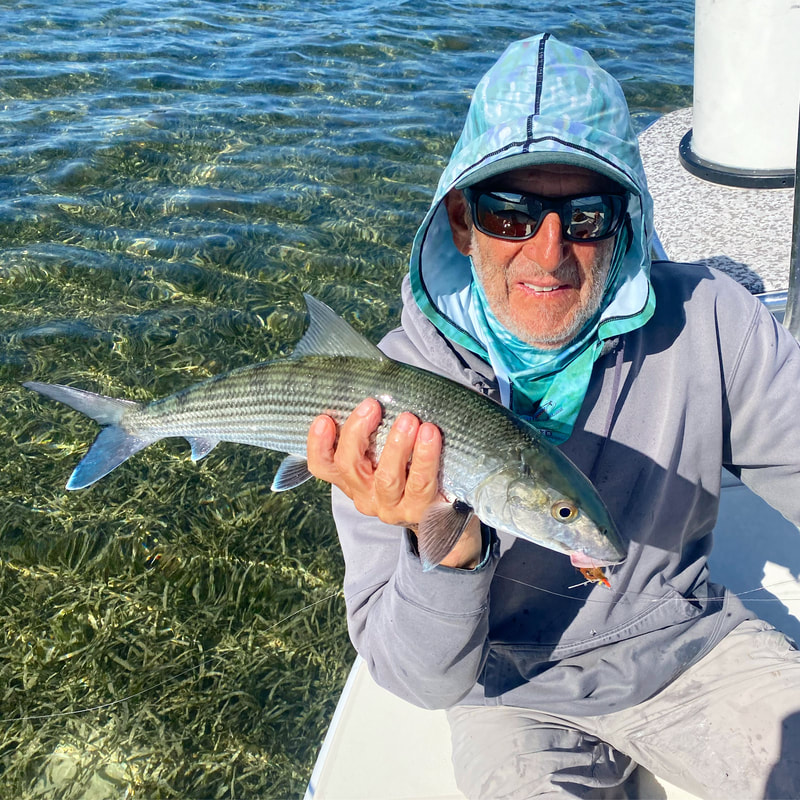
Bonefish are one of the most exciting targets on the flats. Their speed, power, and take-no-prisoners attitude make them the perfect quarry for fly fishermen. December's clear water and calm conditions create ideal sight-casting scenarios where you'll see fish cruising before you cast. Permit are the holy grail for many fly anglers—notoriously selective and powerful. December's feeding patterns make them more cooperative, and there's nothing quite like the heart-pounding strike of a permit on the fly. Targeting these fish requires precision, patience, and skill—all elements that make the eventual hookup incredibly rewarding.

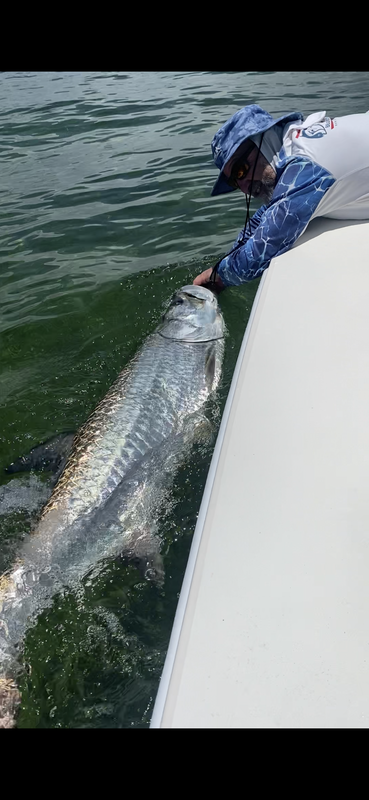
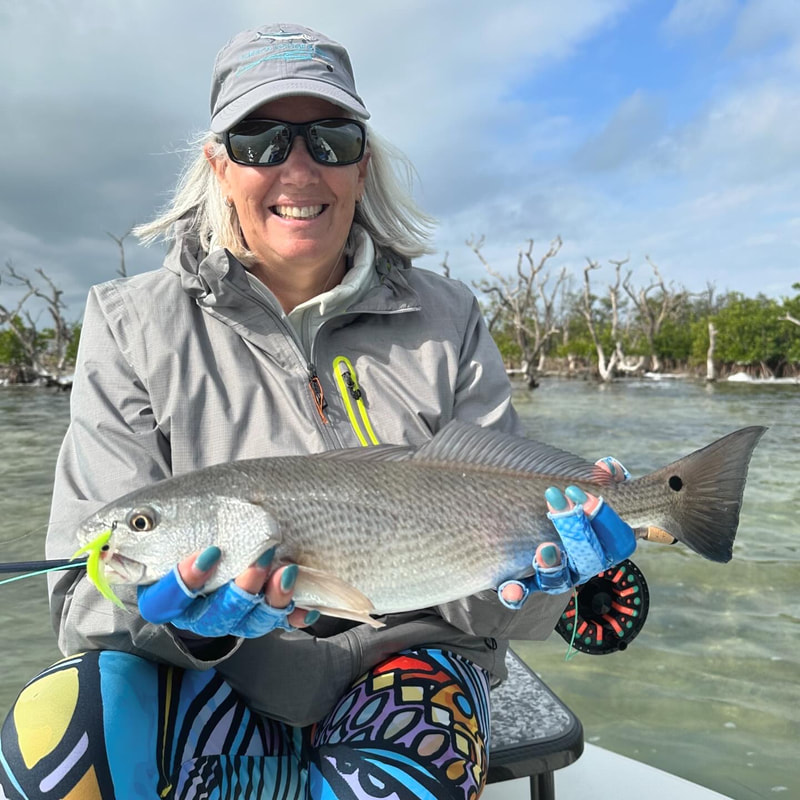
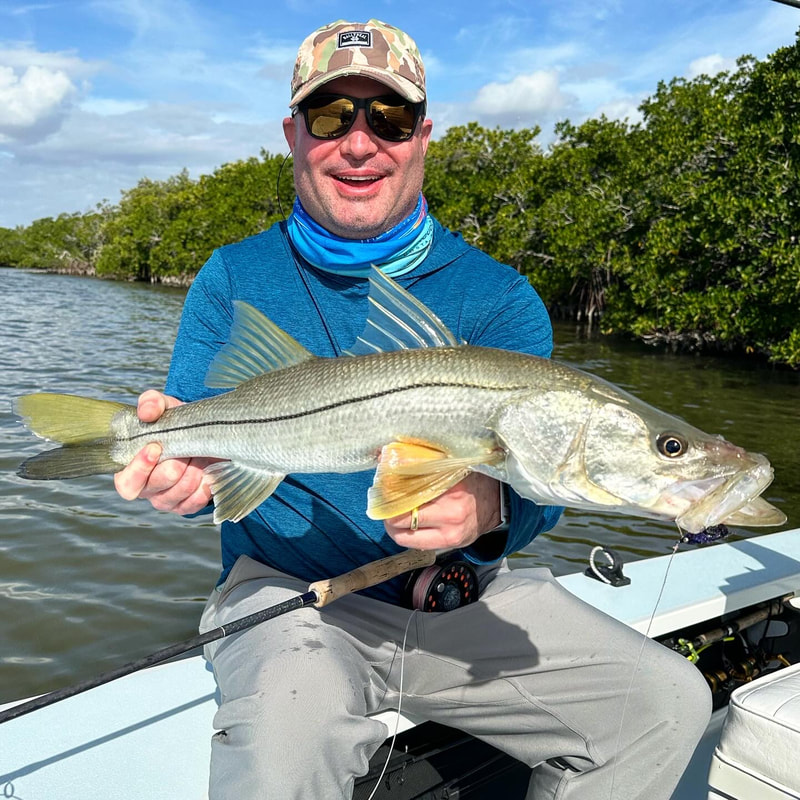
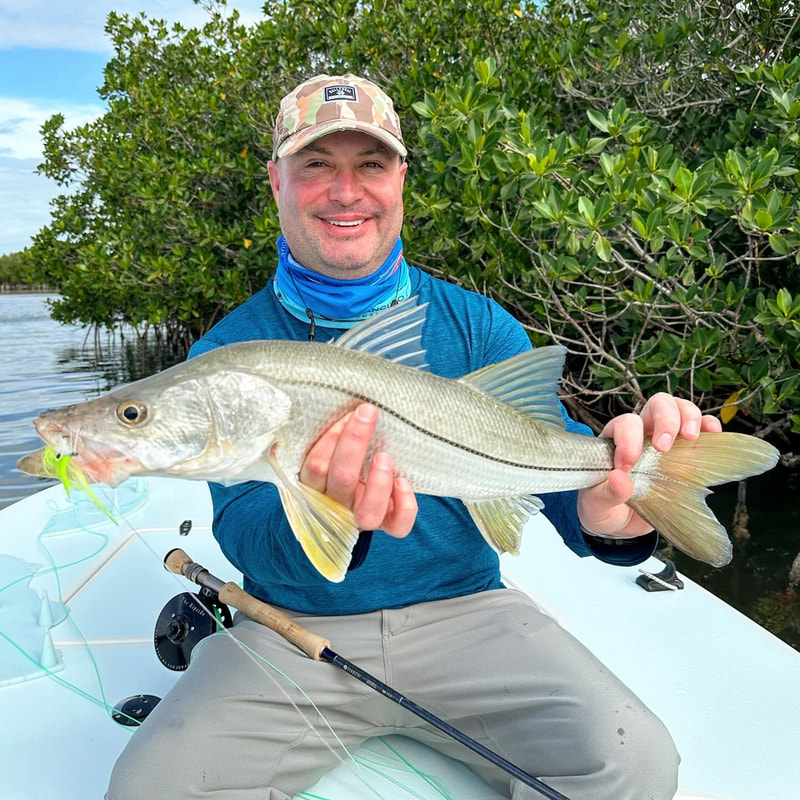
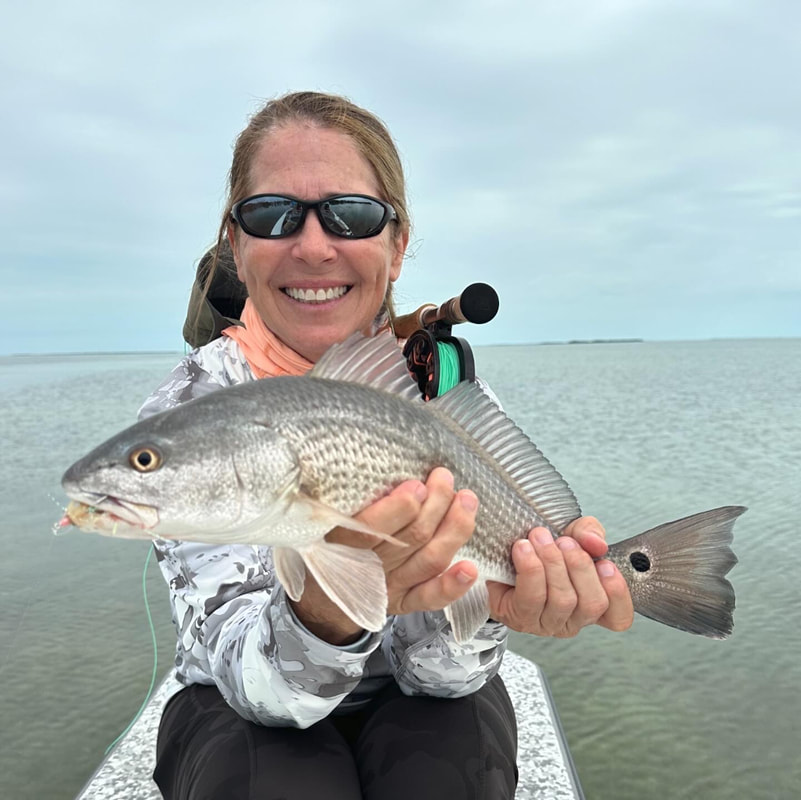
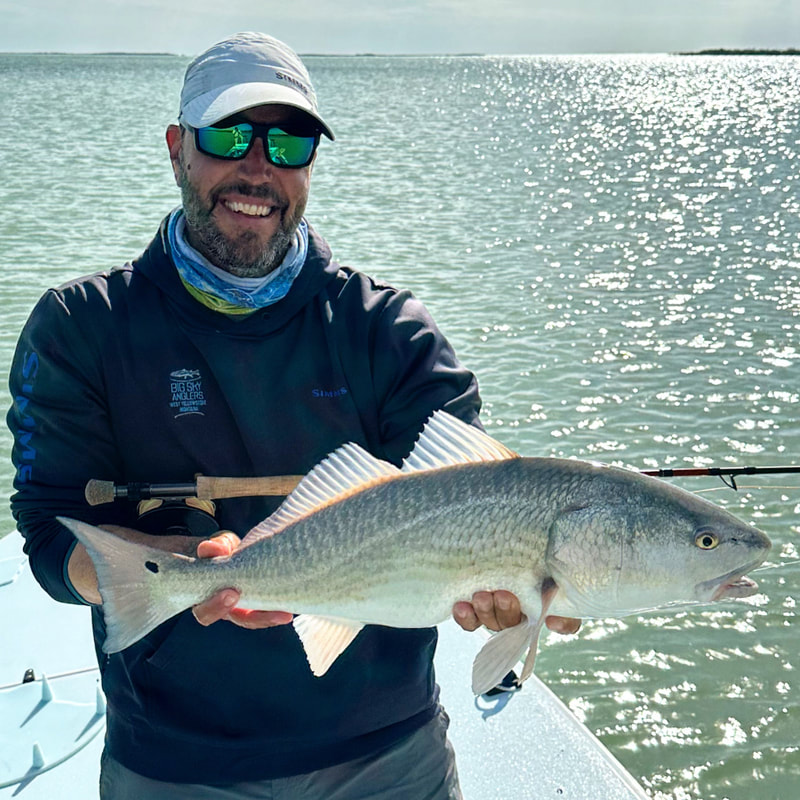
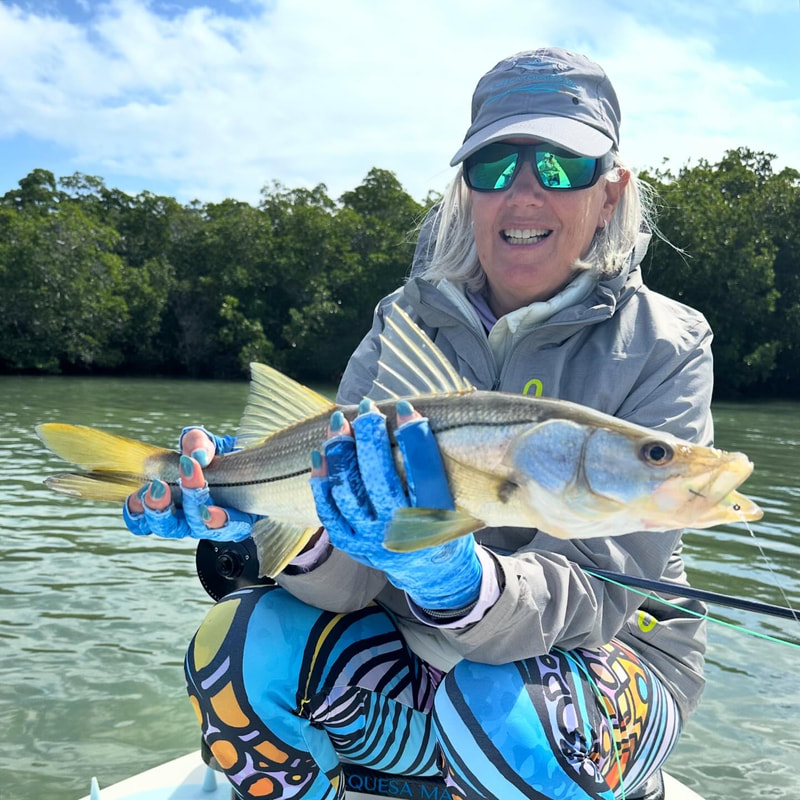
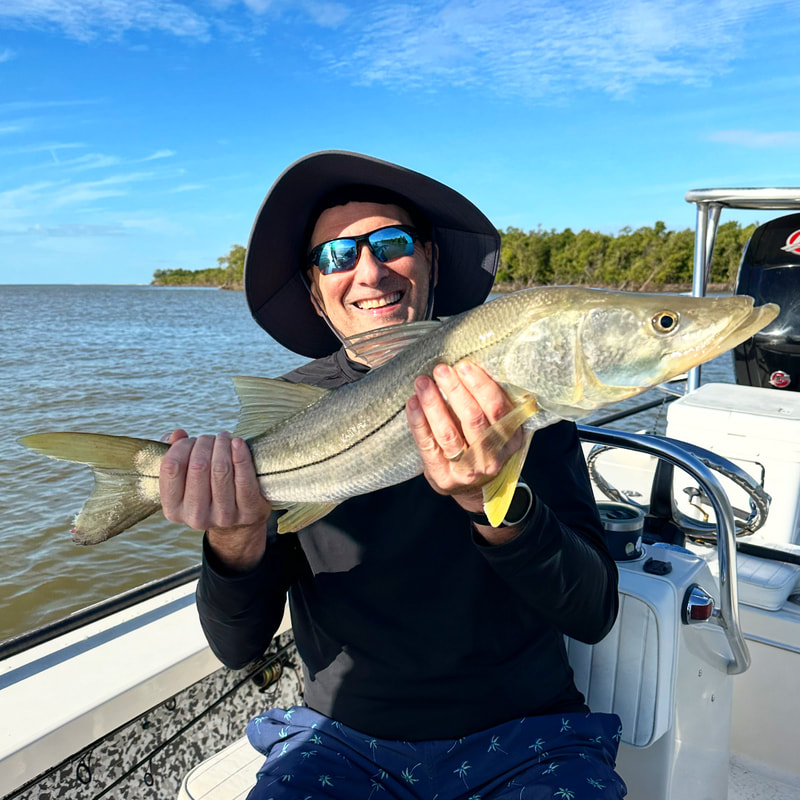
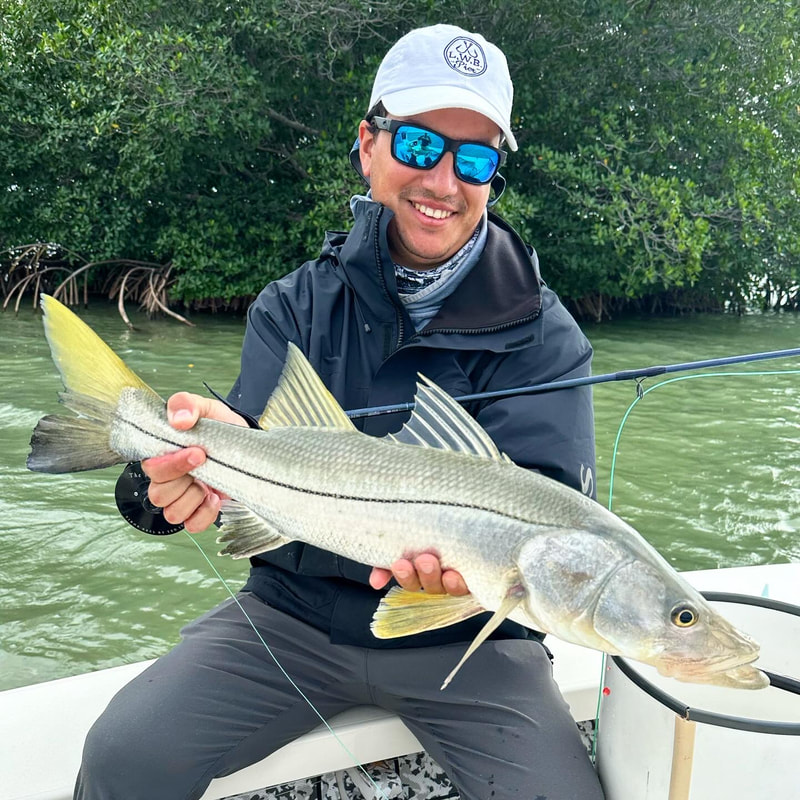
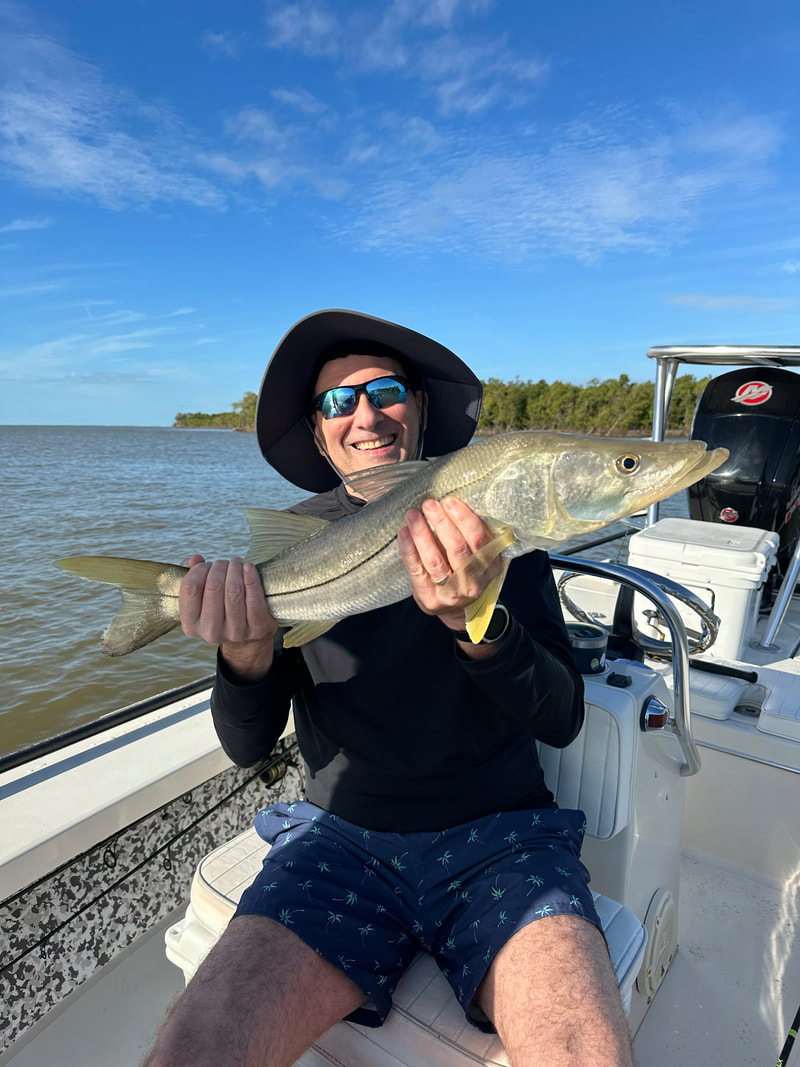
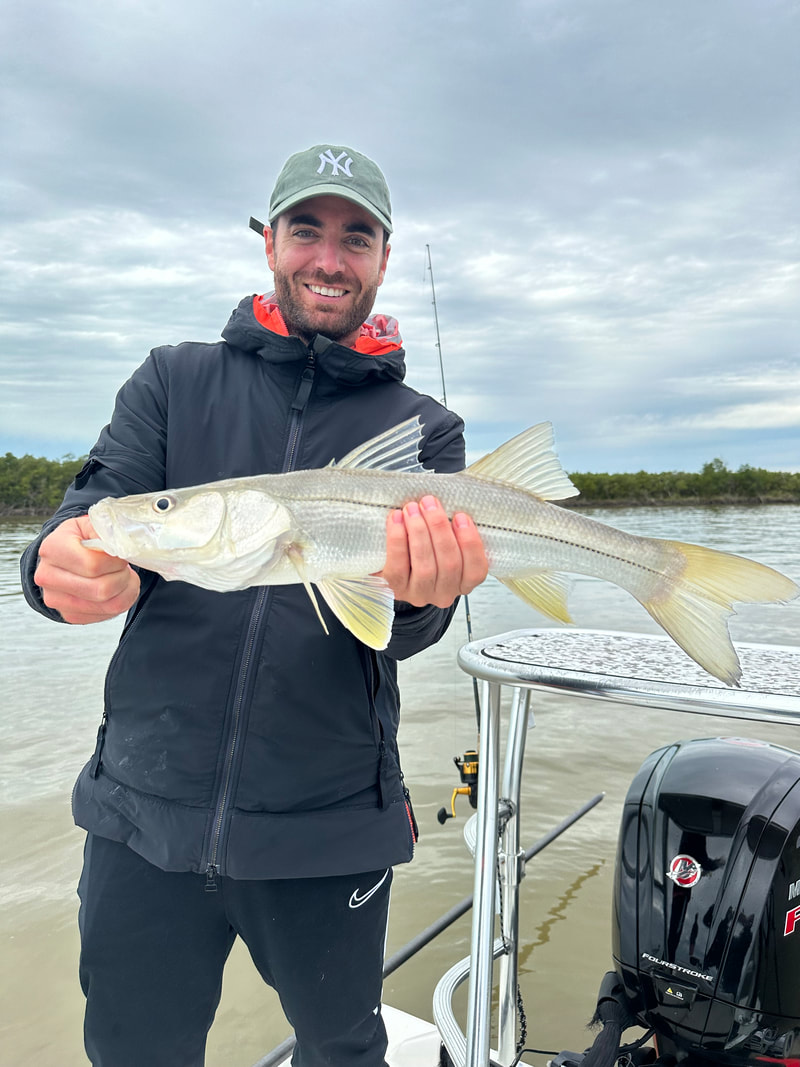
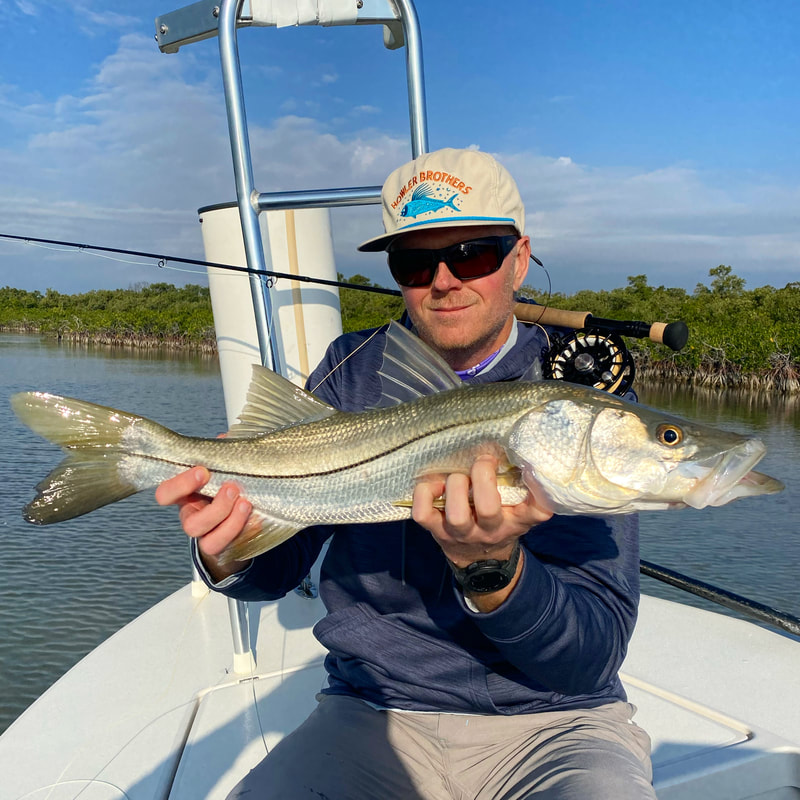
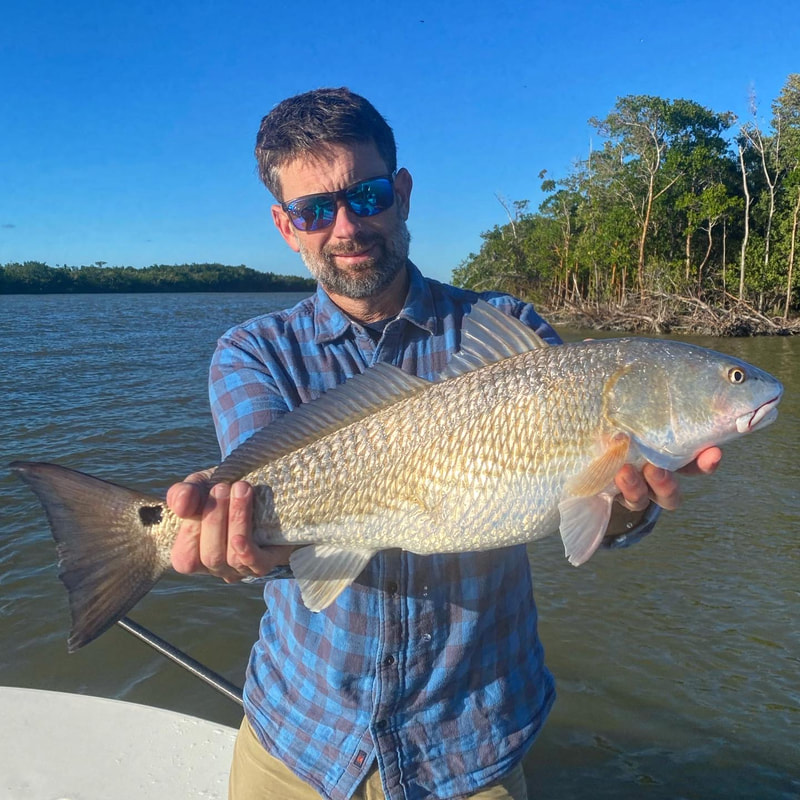
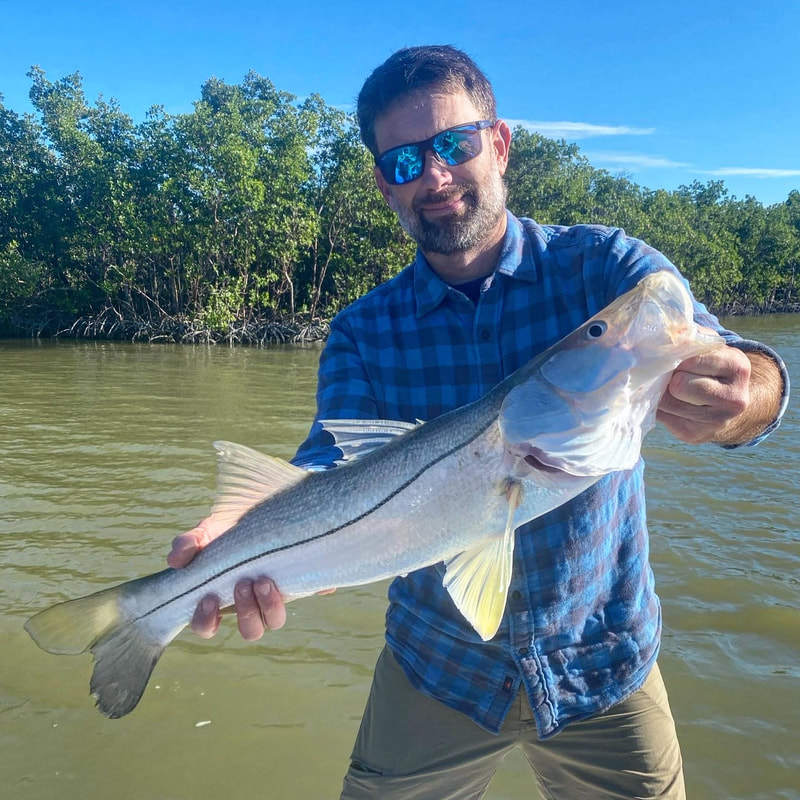
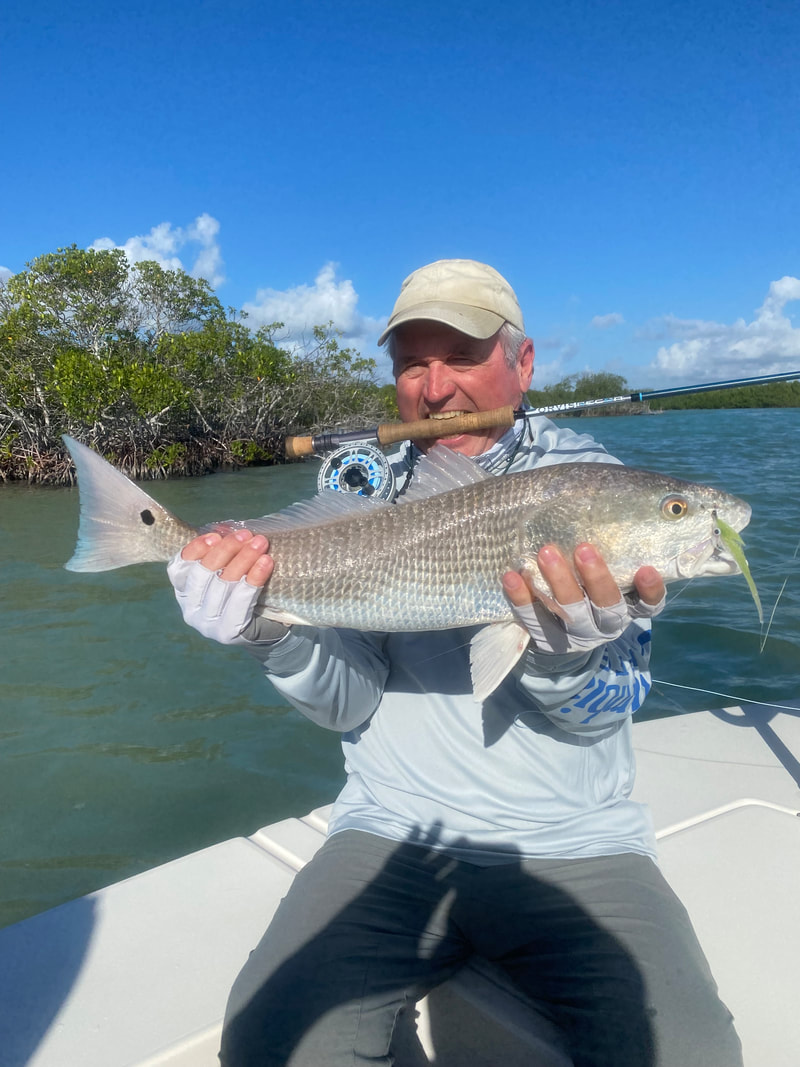
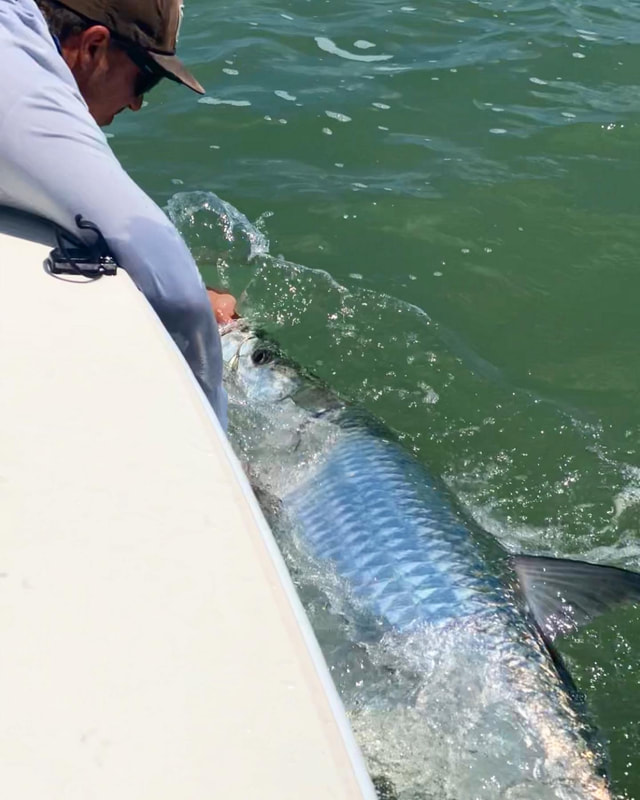
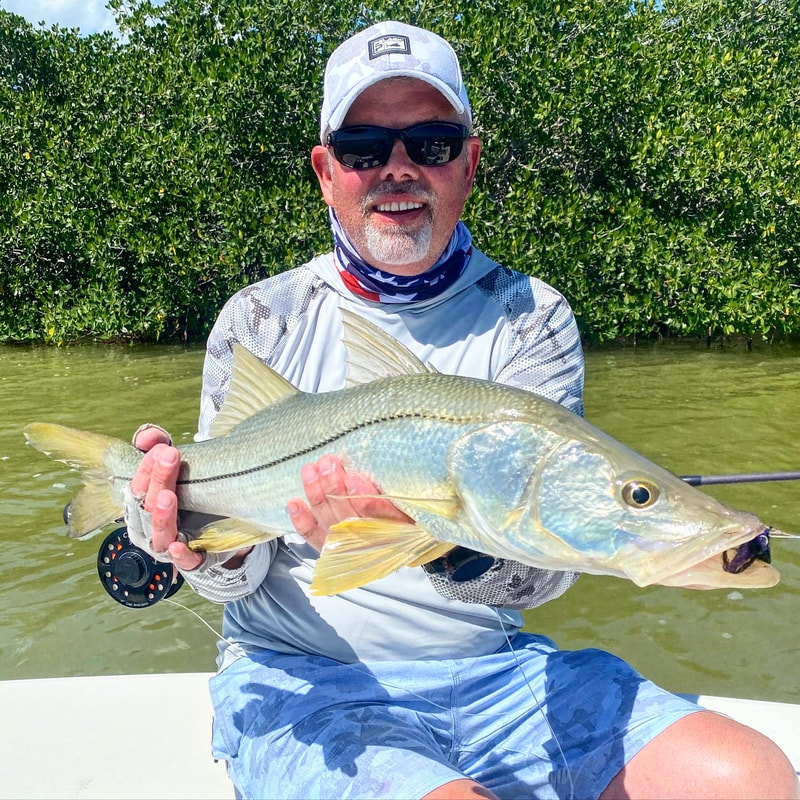
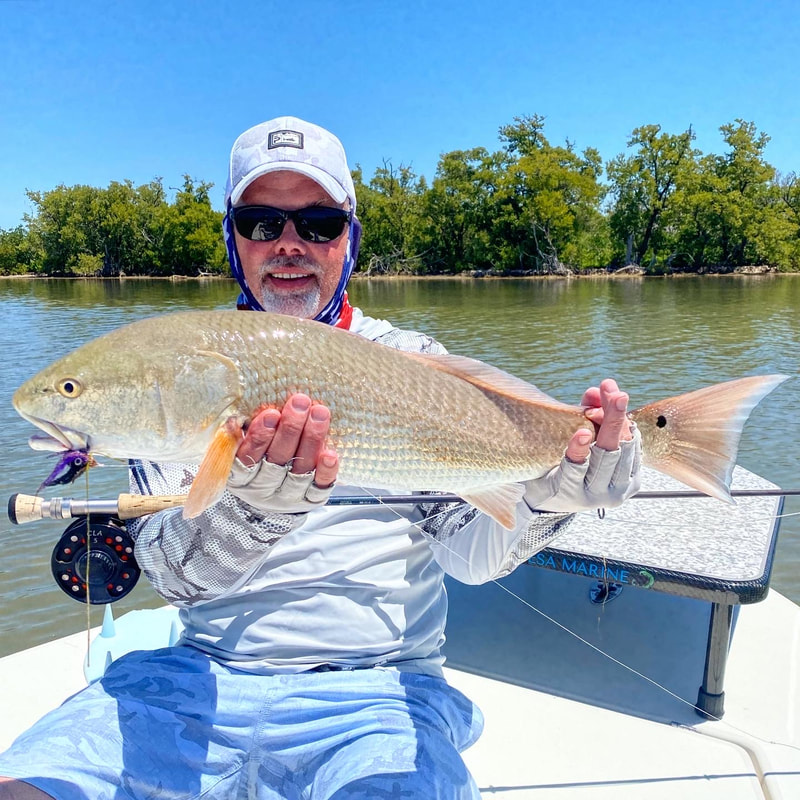
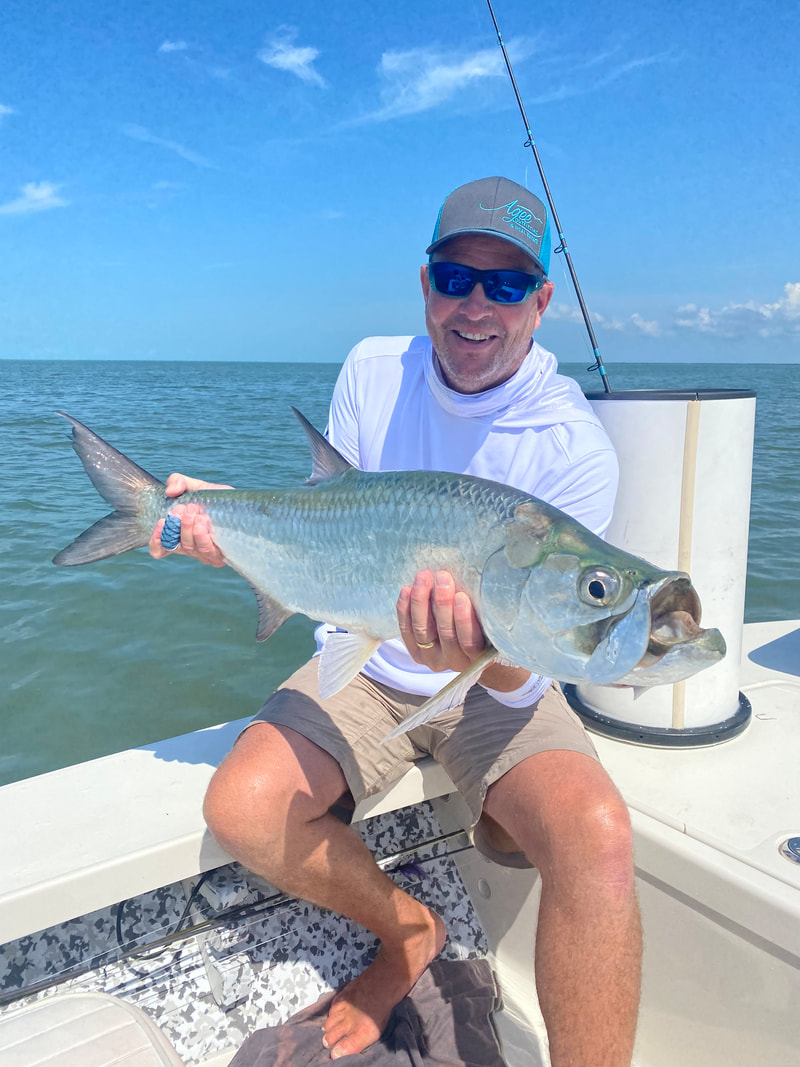
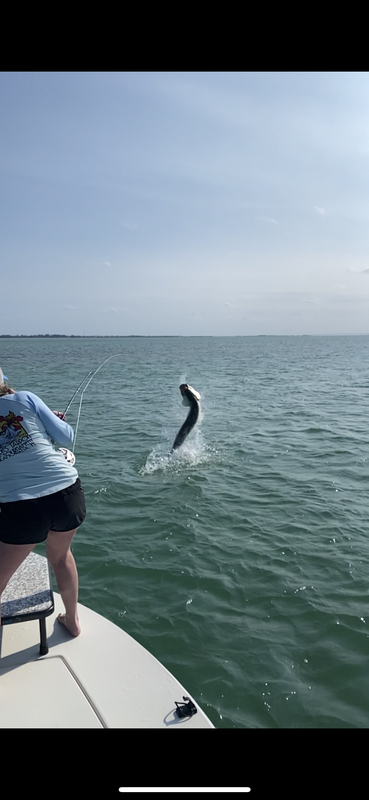
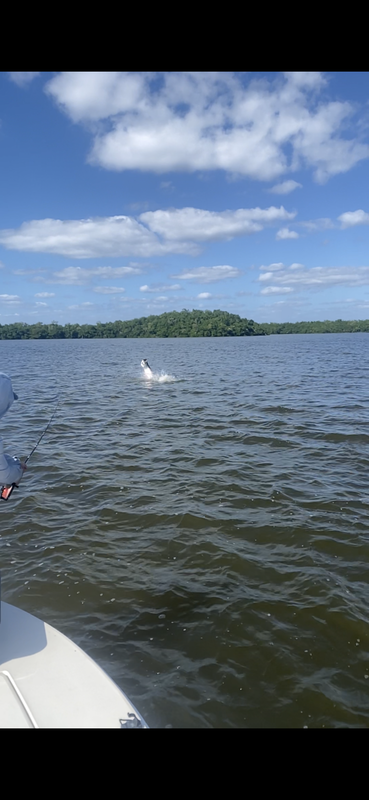
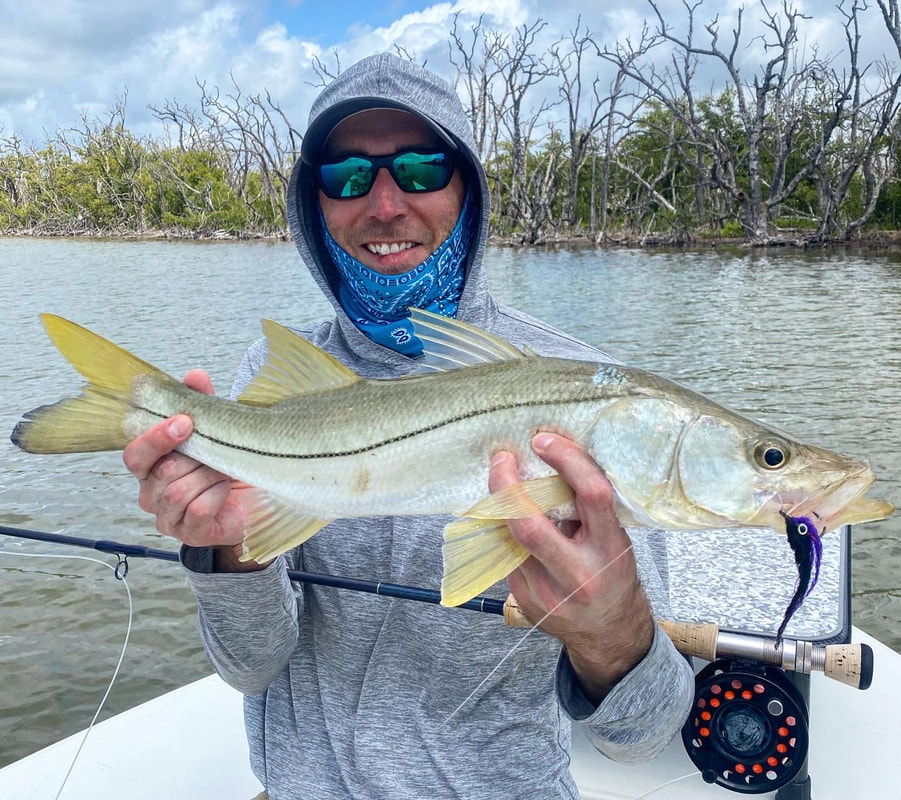
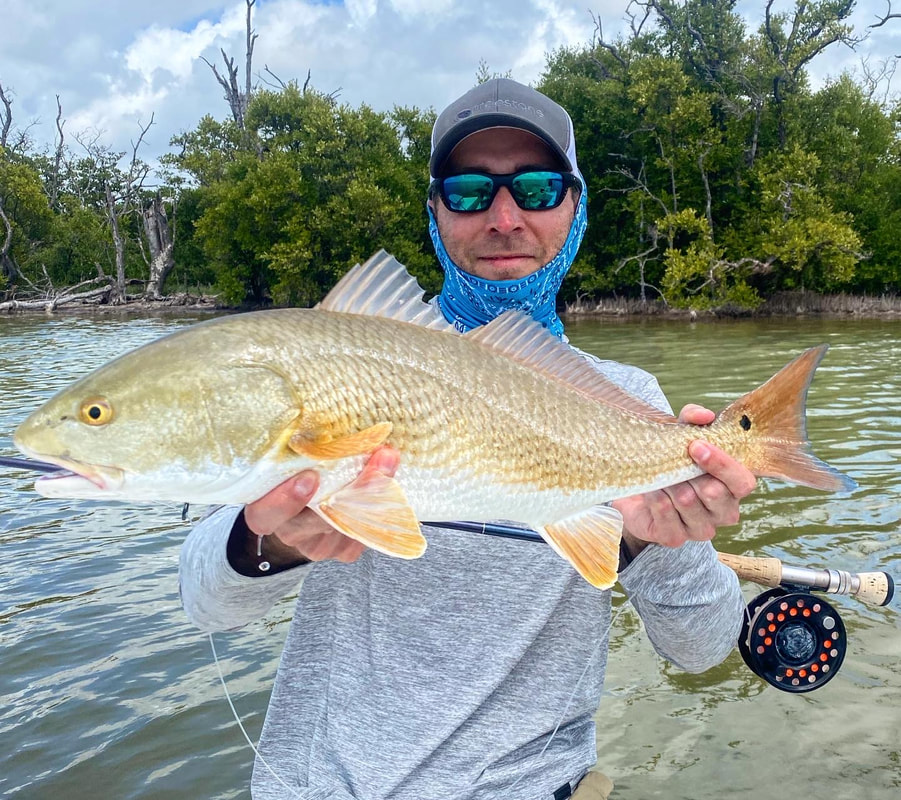
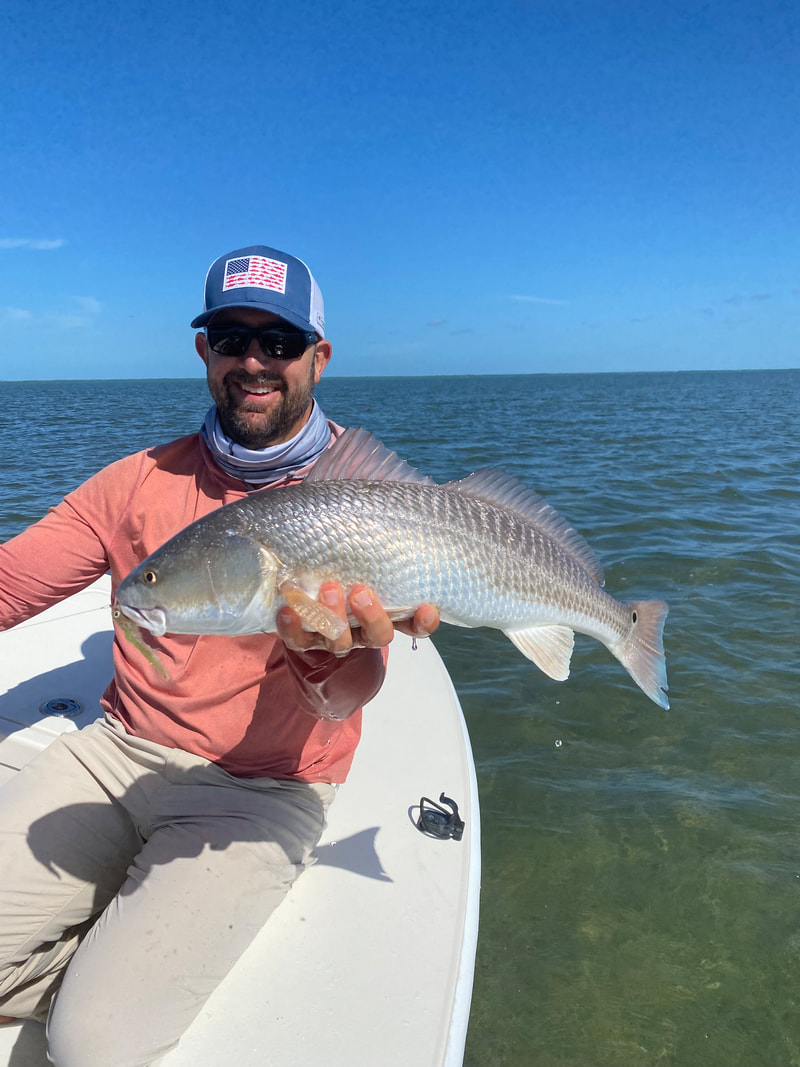
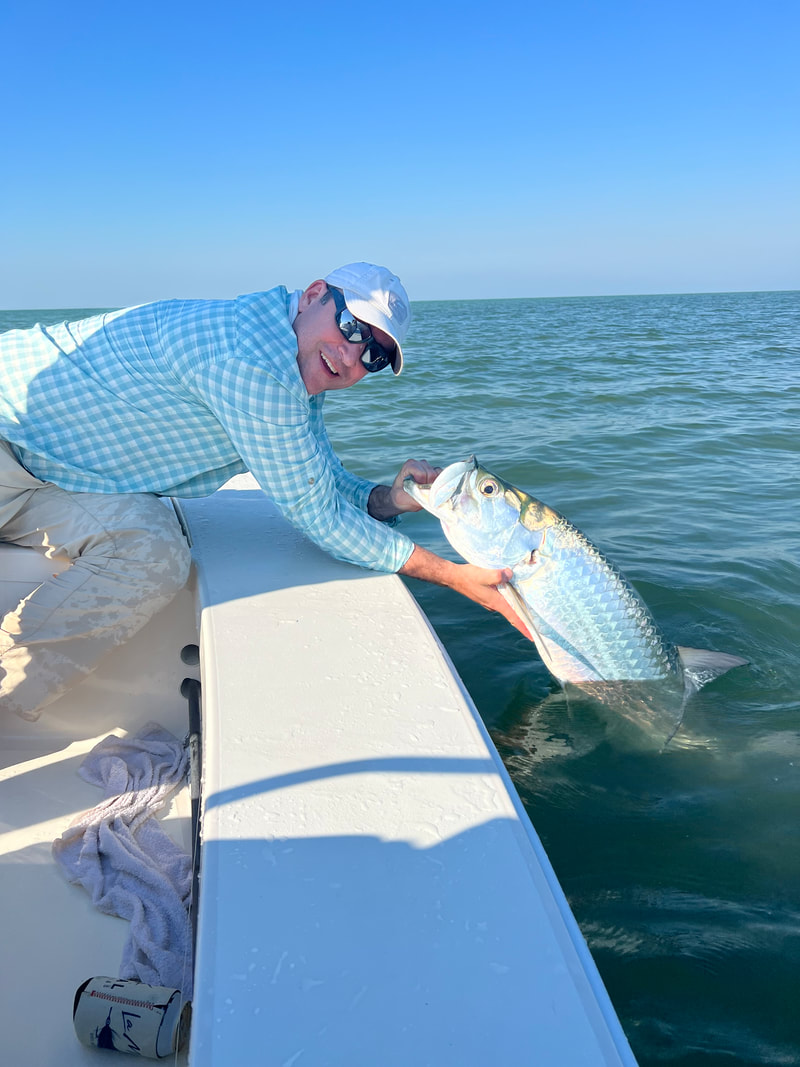
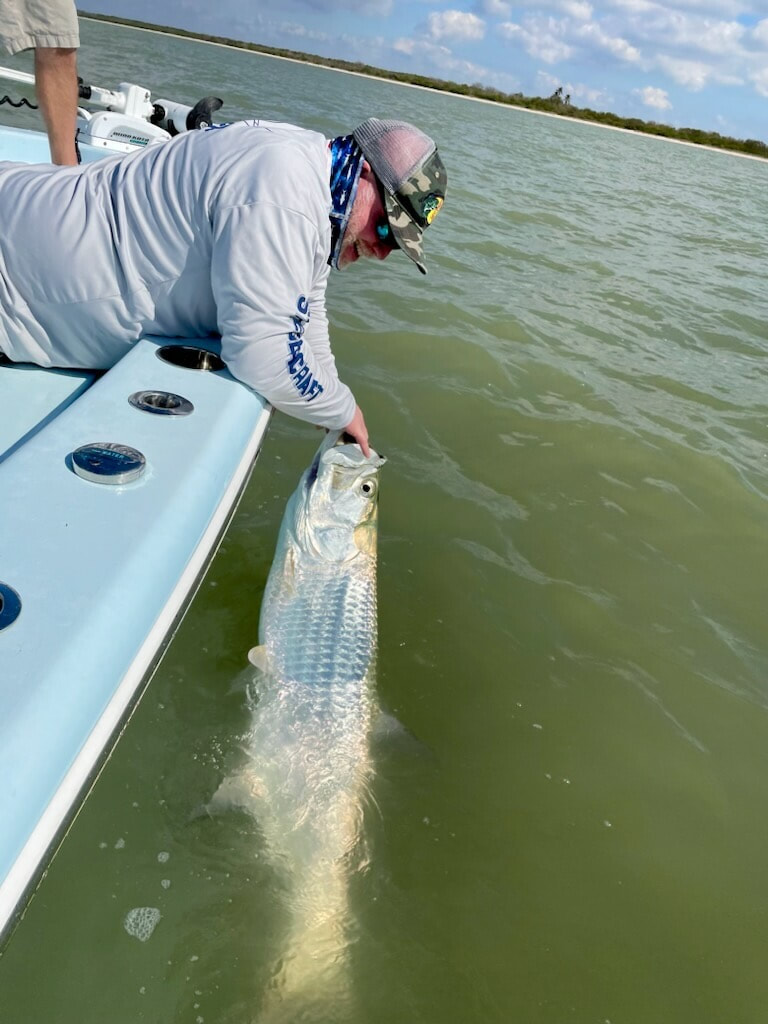
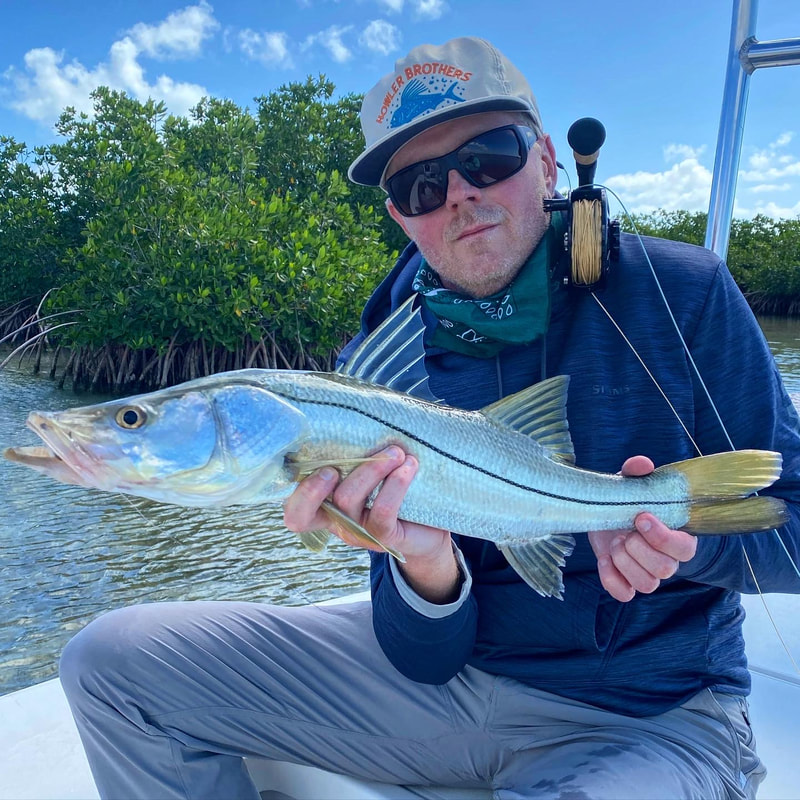
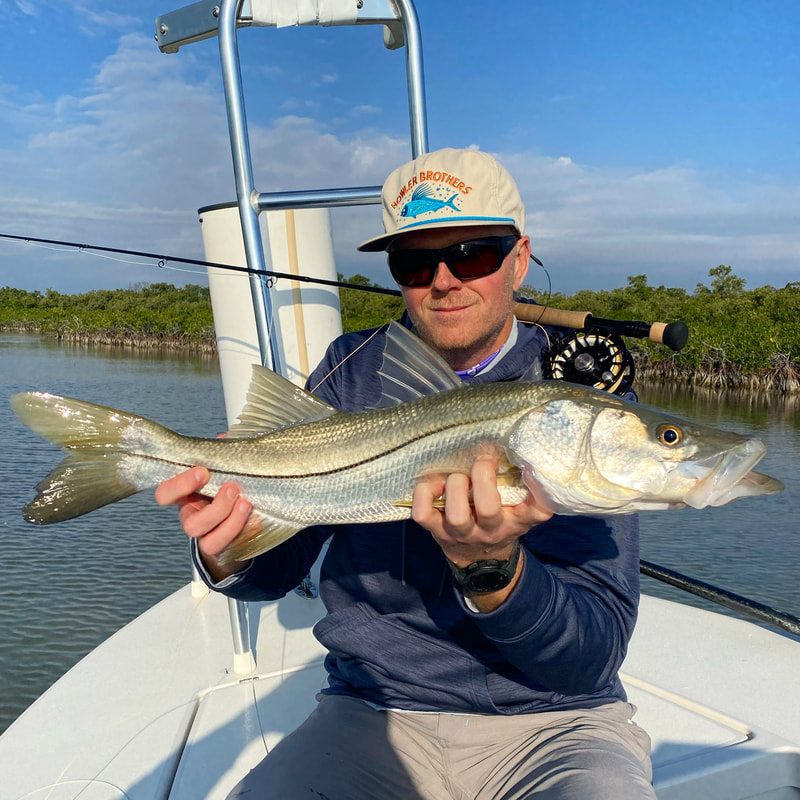
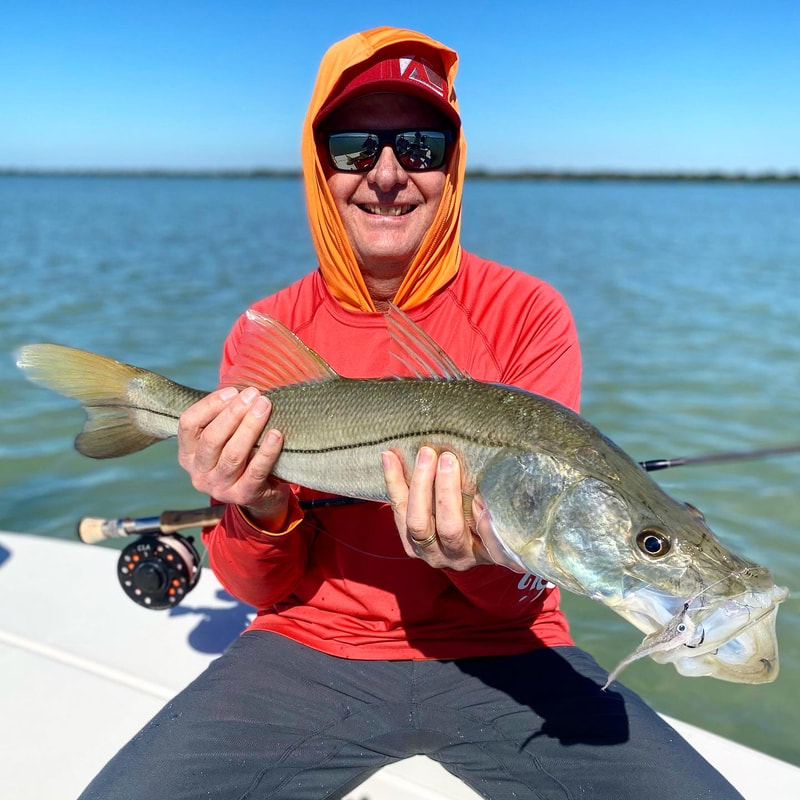
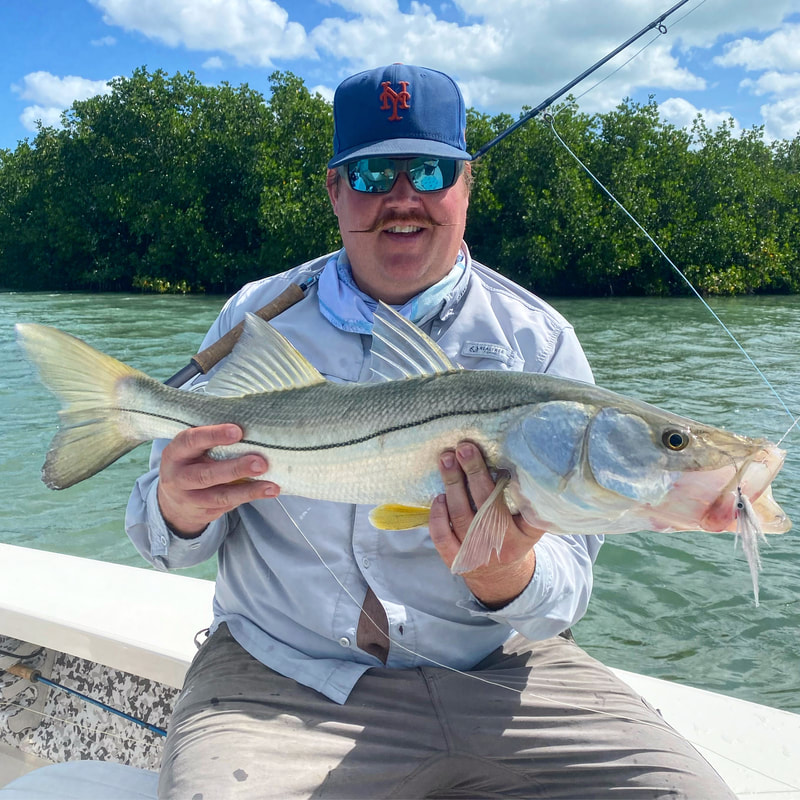
Juvenile tarpon offer a thrilling challenge with their acrobatic jumps and raw strength. December is an excellent time to find these young silver kings in the backcountry around Everglades National Park, where they're active and hungry. Redfish are consistent performers that hit hard and fight harder. These aggressive stripers are abundant in the shallows and backcountry, making them reliable targets for both experienced anglers and beginners looking to build confidence. Snook are powerful ambush predators that hold in structure around mangrove shorelines and deeper channels. Their aggressive strikes and violent runs make them an unforgettable target, and December's water temperatures put them in an active feeding mode.

December typically brings visiting anglers and dedicated locals looking to capitalize on prime conditions. Early morning starts reward us with the calmest water and the best light for sight-casting. I strongly recommend booking your charter soon to secure your preferred dates. Whether you're celebrating a milestone, taking a well-deserved break, or simply chasing world-class fly fishing, a charter with me in December delivers all three. The combination of perfect weather, excellent water conditions, and aggressive fish creates an unforgettable experience.

If you're interested in experiencing December fly fishing in Islamorada or Everglades National Park, I'd love to work with you to create the perfect charter experience. Contact me today to book your dates and prepare for the best fishing trip of your year.

Tight lines,
Capt. Brett Greco
Islamorada & Everglades National Park
Fishing Charters
0 Comments

November Fly Fishing & Spin Fishing Charters: Your Guide to Florida Keys Fishing Season with Capt. Brett Greco

10/27/2025

0 Comments

 
Picture
November is one of the most spectacular months to book a fishing charter in Islamorada and the Florida Keys. As summer's oppressive heat and afternoon thunderstorms fade away, the region transforms into an angler's paradise. The combination of ideal weather, abundant fish species, and perfect water conditions makes November a prime time to experience world-class fishing with Captain Brett Greco.

The transition from fall to winter brings some of the most comfortable fishing conditions you'll experience all year. November temperatures range from the mid-70s to low 80s—warm enough to be comfortable, yet cool enough that you won't be battling the relentless sun and humidity of summer months. The afternoon rain showers that plague summer fishing diminish significantly, giving you extended periods of stable weather and reliable fishing opportunities.

Morning departures offer that perfect balance of cool air and calm seas, with winds typically lighter than in winter months. Whether you're heading out for a full day or half-day charter, you'll find the conditions consistently pleasant and your comfort a priority.

Water temperatures in November begin their cooling trend, ranging from the mid-70s at the start of the month to the upper 60s by month's end. This gradual temperature shift actually triggers some of the best fishing action of the year. The cooler water stimulates feeding behavior across multiple species, and the seasonal shift brings larger migratory species into our waters. Visibility remains excellent in most areas, typically ranging from 6 to 10 feet in the flats and deeper waters, giving you the advantage of sight-casting to feeding fish.

The fishing opportunities in November are remarkably diverse. Bonefish are still abundant on the shallow flats, and their feed is aggressive as they prepare for cooler months. Permit are actively feeding and present in good numbers, offering a thrilling challenge for both fly and spin anglers. Tarpon are transitioning, with some remaining in deeper channels and backcountry areas, providing exciting opportunities for those seeking one of fishing's greatest battles. Redfish are moving back into the shallows as water temperatures moderate, and their aggressive nature makes them incredibly fun to pursue. You'll also find excellent action on mutton snapper, mangrove snapper, and grouper in deeper waters, making November a fantastic month if you want to target multiple species in a single charter. The abundance and variety mean there's truly something for every angler, regardless of experience level or preference.

November also marks the beginning of the winter tarpon season in parts of the Everglades, and we can structure charters specifically for these migrating giants if that's your interest. The Keys' deeper holes and channels also concentrate permit, snapper, and other species, giving us multiple options depending on your goals and the day's conditions.

As someone who has guided these waters for years, I can tell you that November consistently ranks among my favorite months to take clients out. There's something special about the combination of comfortable conditions, cooperative fish, and that perfect shift in the season when everything seems to align. Whether you're a seasoned angler looking to land your personal best or someone new to fly fishing and spin casting, November gives you every advantage.

If you've been thinking about booking a charter, November is the month to make it happen. The weather is perfect, the fish are active, and the Islamorada flats and Everglades waters are in prime condition. Contact me to schedule your trip and discover why so many anglers consider November their favorite time to fish the Florida Keys. I look forward to getting you on the water and putting you in position to experience some truly world-class fishing.
0 Comments

Fall Fishing Paradise: Exploring the Everglades Backcountry with Captain Brett Greco

9/25/2025

0 Comments

 
Picture
When the summer heat begins to fade and the first cool fronts start pushing through South Florida, experienced anglers know it's time to head into the legendary backcountry waters of Everglades National Park. There's something magical about fall fishing in the 'Glades – the wildlife is more active, the fish are feeding aggressively, and the oppressive humidity gives way to some of the most comfortable fishing weather you'll find anywhere in the world.

Captain Brett Greco has been navigating these pristine waters for years, and his intimate knowledge of the Everglades backcountry sets him apart from the crowd. While other guides stick to the well-traveled routes, Brett takes his guests deep into the maze of mangrove creeks, hidden lagoons, and grass flats that make up this UNESCO World Heritage Site. His shallow-draft skiff is perfectly designed for these waters, allowing access to secret spots where the fish haven't seen a lure in weeks.

The Everglades backcountry offers more than just fishing – it's about experiencing one of the last true wilderness areas in Florida. Every trip is different, and you never know what you're going to encounter in these remote waters.

Fall in the Everglades brings a dramatic shift in both weather patterns and fish behavior. As water temperatures begin to drop from their summer highs, baitfish start moving in massive schools, and the predators follow. This is when the fishing truly comes alive in the backcountry.

During these cooler months, you'll find snook staging around creek mouths and mangrove shorelines, preparing for their winter patterns. Redfish prowl the shallow flats in impressive schools, their copper-colored backs creating nervous water as they hunt for crabs and shrimp. Tarpon, while not at their peak season numbers, still patrol the deeper channels and can provide heart-stopping action when hooked.

The fall season also brings some of the year's most consistent weather. Gone are the daily afternoon thunderstorms of summer, replaced by stable high-pressure systems that create perfect fishing conditions day after day.

One of the unique aspects of fishing with Captain Brett is the flexibility he offers his guests. Whether you're a seasoned fly angler looking to test your skills against wild Everglades gamefish, or a spin fishing enthusiast who prefers the reliability of conventional tackle, Brett has you covered.

There's nothing quite like sight-fishing for redfish on the flats with a fly rod. As Brett poles the skiff through water so clear you can see individual shells on the bottom, he'll spot fish long before they see you. The whispered instructions – "Eleven o'clock, forty feet, moving left" – followed by the perfect cast and the explosive strike make for unforgettable moments.

Fall fly fishing in the backcountry offers shots at fish that are actively feeding and less spooky than during the hot summer months. Snook become more cooperative as they stage near structure, and the cooler water makes them more likely to eat a well-presented fly.

Spin Fishing Adventures
For those who prefer spinning gear, the fall season opens up a world of possibilities. Live shrimp under a popping cork can be devastatingly effective on the grass flats, while soft plastic jigs worked through the mangroves produce consistent action. The beauty of spin fishing is its versatility – you can quickly adapt to changing conditions and fish behavior throughout the day.
Brett carries an arsenal of lures specifically chosen for Everglades fishing, from DOA shrimp that perfectly mimic the real thing to topwater plugs that create explosive surface strikes in the early morning hours.

Beyond the Fish: A Complete Wilderness ExperienceWhat sets an Everglades backcountry trip apart from other fishing experiences is the incredible wildlife encounters. As you fish these remote waters, you'll share the environment with manatees, dolphins, alligators, and an amazing variety of birds. Fall is particularly spectacular for birding, as migrating species join the year-round residents.

Don't be surprised if a curious manatee surfaces near the boat, or if a massive tarpon rolls just out of casting range. Captain Brett has learned to read the signs of the ecosystem – where the birds are working often indicates baitfish activity, and where there's bait, there are gamefish.

Planning Your Everglades Adventure

Fall fishing in the Everglades backcountry requires some planning, but the rewards are immense. The weather can be unpredictable during frontal passages, so flexibility in scheduling is important. However, those stable high-pressure days that follow cold fronts often produce the year's best fishing.

Captain Brett recommends bringing polarized sunglasses, a hat, sunscreen, and layers of clothing to adapt to changing conditions. He provides all necessary fishing equipment for both fly and spin fishing, though serious anglers are welcome to bring their own gear.

A Day You'll Never Forget

As the sun begins to set over the sawgrass prairies and the skiff makes its way back through the mangrove tunnels, you'll understand why the Everglades backcountry holds such a special place in the hearts of serious anglers. It's not just about the fish you caught or the ones that got away – it's about experiencing a piece of old Florida that remains largely unchanged.

With Captain Brett Greco as your guide, you're not just booking a fishing trip – you're investing in memories that will last a lifetime. The combination of his expertise, the incredible fishery, and the raw beauty of the Everglades creates an experience that goes far beyond simple fishing.

Whether you choose to cast flies to tailing redfish on a crystal-clear flat or work a topwater plug through a secluded mangrove creek, your fall adventure in the Everglades backcountry will remind you why Florida fishing has such a legendary reputation.

The wild heart of Florida is calling – and Captain Brett Greco is ready to show you its secrets.

Ready to experience the magic of Everglades backcountry fishing? Contact Captain Brett Greco to book your fall fishing adventure today. Whether you're a fly fishing purist or spin fishing enthusiast, an unforgettable day on the water awaits.

0 Comments

Fishing Charters in Islamorada & Everglades National Park with Capt. Brett Greco

9/1/2025

0 Comments

 
Picture
Fall Fly Fishing in the Florida Keys: Your Complete Guide to Autumn Charters
By Captain Brett Greco - Islamorada Fly Fishing Guide

Fall fishing charters in the Florida Keys offer some of the most rewarding opportunities for fly anglers targeting the legendary "Big Four" - bonefish, permit, tarpon, and redfish. As the summer heat begins to fade and the autumn weather patterns settle in, Islamorada fishing charters and Everglades National Park fishing charters provide access to waters that transform into prime fishing territory.

September through November represents a sweet spot in our annual fishing charter calendar. The oppressive summer heat starts to break, making long days on the water more comfortable, while the fish remain highly active before the cooler winter months arrive. This transitional period creates ideal conditions for targeting multiple species during a single fishing charter. The reduced boat traffic compared to peak winter season means Islamorada fishing charters and Everglades fishing charters often have prime flats and backcountry areas to ourselves, providing a more intimate and productive fishing experience.

Fall temperatures in the Keys typically range from the mid-70s to low 80s, with humidity levels dropping significantly from the summer months. Morning fishing charters benefit from cool, comfortable conditions, while afternoon Islamorada charters remain pleasant without the intense heat of summer. September and October often feature lighter, more predictable wind patterns, typically 10-15 mph from the east or southeast. This creates excellent sight-fishing conditions on the flats, allowing for accurate presentations and better fish visibility during Florida Keys fishing charters.

Water temperatures in fall range from 78-82°F - perfect for keeping our target species active and feeding aggressively. The reduced summer storm activity means clearer water conditions, especially in the backcountry areas targeted during Everglades National Park fishing charters and around Islamorada charter destinations. These ideal conditions combine to create some of the most consistent fishing opportunities of the year.

Fall bonefish fishing charters in the Keys are exceptional. As water temperatures remain warm but comfortable, bones are found in predictable patterns throughout the day during Islamorada fishing charters. Early morning finds these fish moving onto shallow flats around Islamorada as they follow incoming tides to feed. During the bright midday hours, focus shifts to deeper channels and edges where fish retreat from the intense light. Late afternoon brings them back to skinny water as light softens and fish resume aggressive feeding behavior.

Bonefish during fall fishing charters average 3-6 pounds, with legitimate shots at fish pushing 8+ pounds, especially during Everglades National Park fishing charters in the more remote areas. The cooler weather makes these larger fish more comfortable in shallow water for extended periods, creating excellent sight-fishing opportunities that summer heat often prevents during Florida Keys charters.

Fall represents one of the most consistent permit seasons during Florida Keys fishing charters. These notoriously challenging fish become more predictable as they follow seasonal bait movements and prepare for the winter months ahead. Target permit around wrecks and channel edges during moving tides, where they hunt crabs and other prey along structure. On calm days, look for tailing permit in 2-4 feet of water on shallow flats, where their distinctive black fins cutting the surface create heart-stopping sight-fishing opportunities.

Everglades National Park fishing charters offer world-class permit fishing with significantly less pressure than more accessible areas. The vast wilderness provides pristine habitat where these fish behave more naturally, often allowing for closer approaches and better presentation opportunities during backcountry fishing charters.

While the massive summer tarpon migrations have moved on, fall fishing charters offer excellent opportunities for resident tarpon and late-season fish that linger in our waters. Juvenile tarpon provide consistent action during backcountry fishing charters with fish ranging 20-60 pounds - perfect for fly fishing and still providing plenty of fight and aerial displays. Adult fish continue to frequent deeper channels and basin edges, offering shots at larger specimens for anglers seeking a serious challenge during Islamorada fishing charters.

Evening fishing charters during fall can be particularly productive around bridges and dock lights, where tarpon feed on baitfish attracted to artificial lighting. The cooler evening temperatures make these twilight sessions comfortable and often yield explosive action during Florida Keys charters.

The cooler fall weather triggers increased activity in redfish and snook populations as these fish prepare for the slower winter months ahead. Redfish provide prime sight-fishing opportunities on shallow flats and along mangrove shorelines during Islamorada fishing charters, where they aggressively hunt crabs and small fish in the skinny water they're famous for inhabiting.

Snook become particularly active around structure, and mangrove creeks during fall, feeding heavily as their metabolism increases with the more comfortable temperatures. Fall fishing charters often produce multiple species encounters as fish concentrate in similar areas, following bait concentrations and taking advantage of ideal feeding conditions.

Shallow flats provide world-class bonefish and permit opportunities, while nearby channel edges hold tarpon throughout the fall season. Mangrove shorelines teem with redfish and snook, creating opportunities to target four or even five species during a single Florida Keys fishing charter.

Everglades National Park fishing charters during fall are truly world-class. The vast shallow flats receive minimal fishing pressure compared to more accessible areas, allowing fish to behave naturally and often be less spooky. Pristine backcountry areas hold all our target species in an unspoiled ecosystem that represents what the entire Keys looked like decades ago. This unique environment provides diverse fishing opportunities that change with the tides, wind, and seasonal movements of both bait and gamefish during Everglades fishing charters.

Each fishing charter is customized based on current conditions, tides, and your individual skill level and preferences. My local knowledge, accumulated over years of guiding in these waters, ensures we're always fishing the most productive areas for the given conditions during Islamorada charters and Everglades fishing charters. This intimate familiarity with seasonal patterns, fish behavior, and environmental factors is what separates a good day of fishing from an unforgettable experience.

Cooler temperatures allow for longer fishing days without the fatigue that summer heat inevitably brings. Full-day fishing charters become much more enjoyable when you're not battling oppressive heat and humidity, maximizing your opportunities to target multiple species and perfect your technique. The comfortable conditions mean you can stay focused and alert throughout the entire day, leading to better presentations and more fish landed during Florida Keys fishing charters.

Fall fish patterns are notably more consistent than other seasons, allowing me to better predict where and when we'll encounter fish during fishing charters. This predictability leads to more productive charters and creates better learning opportunities for developing fly anglers who can focus on technique rather than simply enduring harsh conditions. The stable weather patterns and fish behavior make it an ideal time for anglers looking to improve their saltwater fly fishing skills or target new species for the first time during Islamorada fishing charters or Everglades fishing charters.

An 8-weight rod handles bonefish and redfish perfectly during Florida Keys fishing charters, providing the backbone needed for these strong fish while remaining light enough for all-day casting. A 9 or 10-weight rod is essential for permit and tarpon, offering the power required to turn these larger fish and handle the wind that's always a factor in saltwater fly fishing. I provide all tackle if needed, including a carefully selected range of proven fly patterns that have produced consistently in these waters during countless charters.

Quality polarized sunglasses are absolutely essential for sight-fishing success during any fishing charter - they're the difference between seeing fish and fishing blind. Sun protection remains important despite cooler temperatures, as reflection off the water can be intense. Light layers work best for changing conditions, allowing you to adapt as temperatures shift throughout the day and weather patterns change.

Fall dates for fishing charters book quickly due to the ideal combination of weather, water conditions, and fish activity. I strongly recommend securing your Islamorada fishing charter or Everglades fishing charter well in advance, especially for prime October and early November dates when conditions are typically at their best. Whether you're a seasoned saltwater fly angler or new to Keys fishing, fall fishing charters offer the perfect combination of comfortable conditions, active fish, and diverse opportunities that create lasting memories.

The seasonal transition creates some of our most memorable fishing charter experiences of the year, when everything aligns to provide exceptional angling opportunities in one of the world's premier saltwater fly fishing destinations. Ready to experience world-class fall fishing charters in the Florida Keys? Contact Captain Brett Greco today to book your Islamorada fishing charter or Everglades National Park fishing charter and discover why autumn is one of the most productive and enjoyable times to fish these legendary waters.advance, especially for prime October and early November dates when conditions are typically at their best. Whether you're a seasoned saltwater fly angler or new to Keys fishing, fall charters offer the perfect combination of comfortable conditions, active fish, and diverse opportunities that create lasting memories.

The seasonal transition creates some of our most memorable fishing experiences of the year, when everything aligns to provide exceptional angling opportunities in one of the world's premier saltwater fly fishing destinations. Ready to experience world-class fall fly fishing in the Florida Keys? Contact Captain Brett Greco today to book your charter and discover why autumn is one of the most productive and enjoyable times to fish these legendary waters.

Captain Brett Greco offers year-round fly fishing charters in Islamorada and Everglades National Park, specializing in bonefish, permit, tarpon, redfish, and snook. Book your fall charter today for an unforgettable Florida Keys fishing experience.

0 Comments

Fall Fishing in Everglades National Park with Captain Brett Greco

8/24/2025

0 Comments

 
Picture

Islamorada & Everglades  National Park Fishing Charters

When the oppressive summer heat finally breaks in South Florida, I start planning my routes through the backcountry of Everglades National Park because I know the fishing is about to get absolutely incredible. The maze of mangrove creeks, pristine flats, and hidden ponds come alive with feeding fish as cooler temperatures trigger migrations and increased activity throughout the ecosystem. After years of navigating these waters, I've learned that fall represents the perfect sweet spot where comfortable weather meets peak fishing conditions, creating opportunities that simply don't exist anywhere else in the world. The vast wilderness of the Everglades transforms into an angler's playground where every cast holds the potential for something special, whether you're throwing flies or spinning gear.

What sets fall fishing in the Everglades apart is the incredible variety of species that become active as the water temperatures drop into that perfect range. Snook start moving out of their summer haunts in the deeper creeks and begin prowling the shallow flats and mangrove edges where they're much more accessible to both fly and spin fishing techniques. Redfish form massive schools that patrol the turtle grass flats, creating some of the most exciting sight fishing opportunities you'll find anywhere in Florida. Tarpon in the 20 to 60 pound range become regular residents in the backcountry, rolling and feeding in areas where you can actually sight cast to them instead of just hoping for a lucky hookup. The spotted seatrout fishing explodes on the deeper flats, and jack crevalle roam in aggressive packs that will crush anything you throw at them, making every trip an adventure where you never know what's going to hit your lure or fly next.

My approach to fishing the Everglades in fall focuses heavily on versatility because this environment demands it. I always have both fly and conventional spinning gear ready because the fishing situation can change completely from one spot to the next. When we're sight fishing to laid-up tarpon in a shallow creek, there's nothing quite like watching one of these silver kings slowly turn and eat a perfectly presented fly - it's pure magic that gets my heart racing every single time. But when we encounter a school of aggressive jacks tearing through baitfish on a deeper flat, spinning gear with topwater plugs or spoons becomes the most effective way to capitalize on the feeding frenzy. The beauty of the Everglades is that it offers the perfect platform for both techniques, often within the same trip, keeping every moment on the water exciting and unpredictable.

The challenges of fishing in Everglades National Park are what make the rewards so much sweeter. This isn't your typical guided fishing experience where we motor out to well-known spots and drop lines - this requires reading water, understanding tides, and navigating through a wilderness that can be unforgiving to those who don't respect it. Fall brings some unique advantages though, as the lower humidity and cooler temperatures make those long runs through the backcountry much more comfortable, and the reduced summer thunderstorm activity means we can explore deeper into the park without worrying about getting caught in dangerous weather. The mosquito populations also drop significantly, making those early morning and late afternoon sessions much more enjoyable as we work the mangrove shorelines and shallow flats where the biggest fish like to feed.

Every trip into the Everglades during fall season reinforces why I'm so passionate about fishing this incredible ecosystem. There's something deeply satisfying about hooking into a massive snook or tarpon in a place where you might be the only person for miles in any direction, surrounded by the raw beauty of one of America's most important wilderness areas. The solitude, the pristine environment, and the world-class fishing combine to create experiences that stay with you long after you've left the water. Whether we're poling through skinny water stalking tailing redfish, blind casting to mangrove edges for snook, or sight fishing to rolling tarpon with fly gear, the Everglades in fall offers something that you simply can't find anywhere else - the chance to fish in one of the last true wilderness areas in Florida while targeting some of the most sought-after gamefish in the world.

0 Comments

Fall South Florida Fly Fishing Adventures with Captain Brett Greco

8/7/2025

0 Comments

 
Picture
Fall brings ideal conditions to the shallow waters of South Florida, creating world-class opportunities for fly anglers targeting some of the most challenging species in the sport. Captain Brett Greco guides anglers through the pristine waters of the Florida Keys, Biscayne Bay, Flamingo, and Everglades National Park during this prime season, when cooler temperatures and shifting tides create perfect conditions for pursuing the legendary permit and bonefish. The fall months offer a sweet spot where summer's oppressive heat gives way to comfortable fishing weather, yet the water remains warm enough to keep these prized species active and feeding aggressively on the shallow flats.

The permit, often considered the holy grail of flats fishing, becomes increasingly accessible during the fall season as they move into shallower water to feed on crabs and shrimp. Captain Greco's intimate knowledge of these waters allows him to position anglers perfectly for shots at these notoriously spooky fish, whether you're sight-casting to a tailing permit in two feet of water or presenting a crab pattern to a cruising school. The crystal-clear waters of Biscayne Bay and the backcountry of Everglades National Park provide ideal hunting grounds, where permits range from juvenile fish perfect for beginners to trophy-sized specimens that will test every aspect of your fly fishing skills.

Bonefish, the gray ghosts of the flats, offer non-stop action throughout the fall season as they feed voraciously in preparation for their winter spawning runs. Captain Greco's expert eye can spot the subtle nervous water and shadows that betray a feeding school of bones, positioning you for the perfect presentation with a well-placed shrimp or crab fly. The varied terrain from the turtle grass flats of Florida Bay to the sandy bottoms near Flamingo provides diverse fishing scenarios, from stalking singles and doubles in skinny water to casting into large schools moving across deeper flats in Biscayne Bay.

What sets Captain Greco apart is his ability to read these waters like few others can, understanding the subtle changes in tide, wind, and light that dictate where permit and bonefish will be feeding on any given day. His patient instruction helps anglers of all skill levels improve their casting accuracy and learn to read the water, while his quiet approach and shallow-draft skiff allow access to the most productive and pristine areas within Everglades National Park and the surrounding waters. Fall fishing with Captain Greco isn't just about catching fish—it's about experiencing the raw beauty and ecological richness of South Florida's most treasured fishing destinations while pursuing two of the most challenging species in fly fishing.

0 Comments

Fall Fishing Paradise: Why Fall is Prime Time in the Florida Keys

7/18/2025

0 Comments

 
Picture
After decades of guiding fly anglers through South Florida's pristine waters, I can confidently say that fall represents the absolute pinnacle of fly fishing in the Florida Keys. From September through November, these waters transform into a fly angler's paradise, offering some of the most consistent and rewarding sight fishing experiences you'll find anywhere in the world – especially if you're chasing the Big Five on fly: permit, bonefish, tarpon, snook, and redfish.

Fall in the Keys brings a perfect storm of conditions that make fly fishing for these prized species exceptional. Water temperatures begin their gradual descent from summer highs, settling into that sweet spot between 78-82°F that gets gamefish fired up and feeding aggressively. The oppressive summer heat breaks, making long days on the water not just bearable, but genuinely enjoyable. Perhaps most importantly, the tourist crowds thin out significantly, giving you more space to work prime fishing spots without the summer circus.

The changing photoperiod triggers an instinctual feeding response in these species as they prepare for winter. Baitfish schools become more concentrated and predictable, and the predators follow suit. It's nature's dinner bell, and every serious fly angler should be listening.

Islamorada's reputation as the "Sport Fishing Capital of the World" truly shines during fall months when targeting these five species on fly. The backcountry flats and channels come alive with activity that will test even the most experienced fly angler's skills. Permit fishing reaches its annual peak during these months, with fish staging on the deeper flats and around structure in numbers that can take your breath away. These finicky fish become more aggressive as water temperatures cool, making them more likely to eat a properly presented crab pattern.

The permit flats around Islamorada are legendary for good reason. During fall, you'll find these silver ghosts cruising the turtle grass beds and sandy potholes, often in small schools that provide multiple shots per encounter. The cooler water makes them less spooky, and the reduced boat traffic means less pressure on the fish. A well-placed merkin crab or Del's Merkin dropped precisely in their path can produce explosive strikes from fish ranging from 15 to 40 pounds. The key is the presentation – these fish demand perfection in your cast, and the fly must land softly and naturally.

Bonefish populations in Islamorada's backcountry become incredibly active during fall. These ghosts of the flats lose some of their legendary wariness in the cooler water, making them more approachable for sight fishing. Schools of bones move onto the flats with the incoming tides, creating opportunities for multiple hookups. The famous "muds" where these fish root for crabs and shrimp become more predictable, and a properly presented Gotcha, Crazy Charlie, or bone jig can produce heart-stopping strikes. The cooler water allows for longer presentations and more aggressive retrieves.

Tarpon fishing takes on a different character in fall around Islamorada. While the massive migratory schools of spring and early summer have moved on, resident fish and smaller schools provide technical, exciting fly fishing opportunities. These fish are often more aggressive and less pressured than their spring counterparts. Rolling tarpon in the backcountry channels and basins can provide opportunities for sight fishing at its finest, with fish ranging from 40 to 100+ pounds. Tarpon flies like the Black Death, EP Tarpon Bunny, or classic Cockroach patterns produce consistent results when presented properly.

Redfish form massive schools in Islamorada's shallows during fall, often numbering in the hundreds. These copper-colored torpedoes provide heart-stopping sight fishing opportunities as they cruise the turtle grass beds and mangrove shorelines. The cooler mornings and evenings extend your fishing window significantly – you can start earlier and fish later without the brutal summer sun. A well-presented spoon fly, Kwan, or Redfish Crack can produce explosive strikes from fish in the 20-30 inch range. The key is approaching these schools quietly and casting to the edges to avoid spooking the entire group.

Snook fishing around Islamorada's mangrove shorelines and creek mouths becomes exceptional during fall. These ambush predators stage around structure, feeding heavily as water temperatures cool. The bite often extends well into the daylight hours, unlike the predominantly nocturnal summer pattern. Deceiver patterns, EP Baitfish, and Puglisi Baitfish can produce explosive strikes from fish ranging from slot-size to true giants pushing 40+ inches. The cooler water makes these fish more willing to chase a fly, allowing for more aggressive presentations.

Biscayne Bay in fall is a study in contrasts – Miami's skyline provides a dramatic backdrop while you're surrounded by some of the most productive shallow water fly fishing in the state. The bay's extensive grass flats, mangrove creeks, and structure-rich areas create a diverse ecosystem that supports incredible populations of all five target species.

The bay's renowned bonefish population becomes more active and predictable during fall months. These ghosts of the flats are less spooky in the cooler water, and the reduced boat traffic means less pressure on the fish. Early morning and late afternoon sessions can produce multiple shots at quality bones, especially around the bay's famous "muds" where these fish root for crabs and shrimp. Schools of 20-30 fish are common, providing opportunities for multiple hookups on a single tide. Small shrimp patterns, Gotchas, and Crazy Charlies work exceptionally well in the bay's clear water.

Permit fishing in Biscayne Bay during fall can be absolutely magical. The bay's extensive flats and channels hold good numbers of these prized fish, and the cooler water makes them more willing to eat. Look for permit around the deeper edges of the flats, especially near structure or current breaks. A well-presented crab pattern like a Merkin, Raghead Crab, or Flexo Crab can produce strikes from fish ranging from 15 to 35 pounds. The key is patience and precise presentation – these fish will test every aspect of your fly fishing skills.

Redfish populations in Biscayne Bay explode during fall months. Schools of copper-colored fish patrol the shallow grass beds and mangrove shorelines, often in such numbers that the water appears to be moving. These fish are aggressive and willing to eat, making them perfect targets for spoon flies, Kwan patterns, and other redfish-specific flies. The sight of a school of 50+ redfish tailing in crystal-clear water with Miami's skyline in the background is something that will stay with you forever.

Snook fishing in Biscayne Bay reaches exceptional levels during fall. These ambush predators stage around structure and mangrove edges, feeding heavily as water temperatures cool. The bay's numerous creeks, channels, and structure-rich areas provide endless opportunities to target these fish. Deceiver patterns, EP Baitfish, and Puglisi Baitfish can produce explosive strikes from fish ranging from slot-size to true giants. The cooler water makes these fish more active during daylight hours, perfect for sight fishing.

Tarpon fishing in Biscayne Bay during fall offers a more intimate experience than the circus atmosphere of some other locations. Smaller schools and resident fish provide opportunities for technical sight fishing in pristine surroundings. Rolling tarpon in the bay's channels and basins can provide shots at fish ranging from 40 to 120+ pounds, often with multiple opportunities per day. Large streamers, EP Tarpon Bunnies, and classic tarpon patterns produce consistent results when presented properly.

Fishing in Everglades National Park during fall is like stepping back in time to an era when all of Florida's waters were pristine and untouched. The park's strict regulations ensure healthy fish populations and an ecosystem that functions as nature intended, creating world-class fly fishing opportunities for all five target species.

The park's backcountry comes alive with redfish during fall months. Schools patrol the shallow bays and creek mouths in numbers that seem almost impossible in today's fishing world. These are wild, unpressured fish that fight with a fury that has to be experienced to be believed. The sight of a school of 50+ redfish tailing in six inches of crystal-clear water with not another boat in sight is something that represents fly fishing at its purest form. Spoon flies, Kwan patterns, and other redfish flies produce consistent results in the park's pristine waters.

Snook fishing in the park's countless mangrove creeks and shorelines is world-class during fall. These fish stage around structure and current breaks, ambushing bait with explosive strikes. The park's slot limit means you're targeting quality fish, and the abundance ensures consistent action. Deceiver patterns, EP Baitfish, and Puglisi Baitfish produce the most consistent results, though any well-presented baitfish pattern can be incredibly effective when fish are actively feeding.

Tarpon fishing in the park offers a more intimate experience than the circus atmosphere of some other Keys locations. Smaller schools and resident fish provide opportunities for technical sight fishing in pristine surroundings. Rolling tarpon in a remote park bay with manatees nearby and ospreys overhead represents fly fishing at its purest form. These fish range from 40 to 100+ pounds and are often more aggressive than their heavily pressured cousins elsewhere. Large streamers, tarpon bunnies, and classic patterns produce consistent results.

Bonefish populations in the park are robust and provide excellent fishing throughout the fall period. The grass beds and sandy potholes hold good numbers of fish, and the lack of fishing pressure means these fish are often less leader-shy and more aggressive than their heavily pressured cousins elsewhere. Schools of bones move predictably with the tides, creating opportunities for multiple hookups. Small shrimp patterns, Gotchas, and Crazy Charlies work exceptionally well in the park's clear water.

Permit fishing in the park can be challenging but incredibly rewarding. These fish are present in good numbers but require patience and skill to hook consistently. The park's deeper flats and channel edges hold fish throughout the fall period, and a properly presented crab pattern can produce strikes from trophy-class fish. The key is persistence and perfect presentation – these fish will test every aspect of your fly fishing abilities.

While fall fishing is consistently excellent, certain periods stand out for these five species. Late September and early October often provide the best combination of weather, water conditions, and fish activity. Water temperatures are still warm enough to keep all species active, while the cooling trend triggers increased feeding activity across the board.

November can be absolutely magical, especially for sight fishing. Crystal-clear water, comfortable temperatures, and hungry fish create ideal conditions for targeting permit, bones, and redfish on the flats. However, weather becomes more variable as cold fronts begin affecting the region, so flexibility in your plans becomes important.

Fall fly fishing in the Keys requires adapting your approach to changing conditions when targeting these species. Fly presentation becomes crucial as fish become more selective. The cooler water allows for more aggressive retrieves and longer presentations, giving you more time to work a fish. However, accuracy becomes even more critical – these fish demand precise casts and natural presentations.

Tidal movement becomes even more critical during fall months. The best fishing typically occurs during moving water, with the first two hours of incoming tide often producing the fastest action. Pay attention to wind direction and strength – fall brings more variable conditions, and positioning becomes crucial for successful sight fishing and accurate casts.

For permit, focus on the deeper flats and channel edges where these fish stage during cooler months. Look for fish in 3-6 feet of water, often around structure or current breaks. Patience is key – these fish can be incredibly finicky, but the rewards are worth the effort. Use heavier flies like Merkins and Raghead Crabs to get down to their level quickly.

Bonefish become more predictable during fall, following established patterns as they move with the tides. Early morning and late afternoon sessions are most productive, with fish moving onto the flats to feed. Look for "muds" where fish are actively feeding, and be ready with a quick, accurate cast. Small, lightly weighted flies work best in the shallow water these fish prefer.

Redfish schools become more concentrated and easier to locate during fall. These fish often cruise in large schools, making them visible from a distance. The key is approaching quietly and making accurate casts to the edges of the school to avoid spooking the entire group. Spoon flies and other flashy patterns work exceptionally well on these aggressive fish.

Snook fishing improves dramatically as water temperatures cool. These fish become more active during daylight hours and less finicky about presentations. Focus on structure and current breaks, especially around mangrove shorelines and creek mouths. Baitfish patterns stripped aggressively often produce explosive strikes.

Tarpon fishing in fall requires patience and skill, but the rewards are incredible. Look for rolling fish and be ready with a quick cast. These fish can be incredibly aggressive when feeding, but they can also be maddeningly selective. Large streamers and tarpon-specific patterns work best, and the presentation must be perfect.

Fly fishing the Florida Keys in fall for permit, bonefish, tarpon, snook, and redfish isn't just about catching fish – though you'll certainly do plenty of that. It's about experiencing one of America's last great fishing frontiers during its absolute prime time. The combination of incredible fishing, perfect weather, and reduced crowds creates an experience that epitomizes what Keys fly fishing is all about.

Whether you're sight-casting to a school of tailing redfish in Islamorada's backcountry, presenting a crab fly to a cruising permit on Biscayne Bay's pristine flats, or exploring the wild creeks of Everglades National Park for aggressive snook, fall in the Keys offers fly fishing experiences that will create memories lasting a lifetime.

The Florida Keys in fall represent fly fishing at its finest – technical, exciting, and consistently productive. It's why I've spent my career guiding these waters, and why I still get excited every September when fall fishing season begins. Come experience it for yourself, and discover why autumn in the Keys is truly special when chasing these five incredible species on fly.

0 Comments

Summer Fly Fishing in the Keys and Everglades: July & August Adventures

6/28/2025

0 Comments

 
Picture
When most anglers think about summer fishing in South Florida, they might picture sweltering heat and slow action. But here's what I've learned after years of guiding fly fishing charters in Islamorada and Everglades National Park: July and August offer some of the most exciting and diverse fishing opportunities of the entire year. You just need to know where to look and when to be there.

The key to successful summer fly fishing in our waters is timing. The fish are here – they're just not where you'd expect them during the cooler months. Early morning and late evening sessions become absolutely critical. I start my charters before sunrise, and there's something magical about watching the sky turn pink over the mangroves while tarpon roll in the distance.

During the heat of midday, we focus on deeper channels and shaded areas where fish seek relief from the sun. The backcountry of Everglades National Park really shines during summer months. Those countless mangrove creeks and hidden lagoons stay surprisingly cool, creating perfect ambush points for snook, redfish, and juvenile tarpon.

Many anglers don't realize that while the massive 100+ pound tarpon might move offshore during peak summer, the 30-80 pound fish provide incredible action through July and August. These smaller tarpon are actually more aggressive feeders and often more willing to eat a fly. The morning bite in the backcountry can be absolutely phenomenal, with fish rolling and crashing bait in water so shallow you can see their backs.

The Everglades backcountry holds resident tarpon year-round, and summer is when they're most active in the skinny water. Nothing beats the sight of a silver king exploding on your fly in two feet of crystal-clear water with mangroves as your backdrop.

Summer is prime time for snook throughout our area. These fish love the warm water and become incredibly active during the summer months. The mangrove shorelines of both Islamorada and the Everglades offer endless opportunities. Look for them ambushing bait around downed trees, undercut banks, and creek mouths.

What makes summer snook fishing so special is their willingness to eat topwater flies. There's nothing quite like the explosive strike of a snook crushing a popper in the early morning calm. The key is finding the right structure and being ready when they turn on – which often happens fast and furious.

Summer redfish can be tricky, but incredibly rewarding. They often move to slightly deeper water during the heat of the day, but the early morning and evening hours find them tailing in the shallows. The grass flats of Florida Bay and the Everglades backcountry provide excellent sight fishing opportunities.

One of my favorite summer redfish patterns is finding them laid up under floating grass mats or mangrove overhangs during midday. These fish are often in a feeding mood and will readily take a well-presented crab or shrimp pattern.

Adapt Your ApproachSummer fly fishing requires some adjustments to your normal tactics. Lighter colored flies often work better in the bright conditions. I lean heavily on tan, white, and light brown patterns that mimic the prevalent baitfish and crustaceans. Spoon flies and small streamers become go-to choices when the fish are keyed in on glass minnows and pilchards.

The key is staying mobile and being willing to change locations quickly. Summer fish can be here one minute and gone the next, following bait and seeking comfortable water temperatures.

Summer weather in South Florida can be dramatic, but it also creates opportunities. Those afternoon thunderstorms that seem so intimidating actually trigger incredible feeding activity. The hour before and after a storm can produce some of the best fishing of the day. The dropping barometric pressure and increased oxygen in the water gets fish moving.

While summer fishing requires more planning and adaptation, it offers something you can't get any other time of year: solitude. The waters are far less crowded, giving you more intimate experiences with these incredible fish and pristine environments. There's something special about having entire sections of Everglades National Park to yourself, with only the sound of your fly line cutting through the humid air.

The diversity of species available during July and August is also remarkable. On a single charter, it's possible to encounter tarpon, snook, redfish, sea trout, jacks, and various other species. This variety keeps every trip exciting and unpredictable.

Don't let the summer heat keep you away from some of the best fly fishing South Florida has to offer. With proper timing, the right approach, and knowledge of where the fish are holding, July and August can provide memories that last a lifetime. The fish are here, the waters are alive with activity, and the backcountry of the Everglades offers a wilderness experience that's becoming increasingly rare.
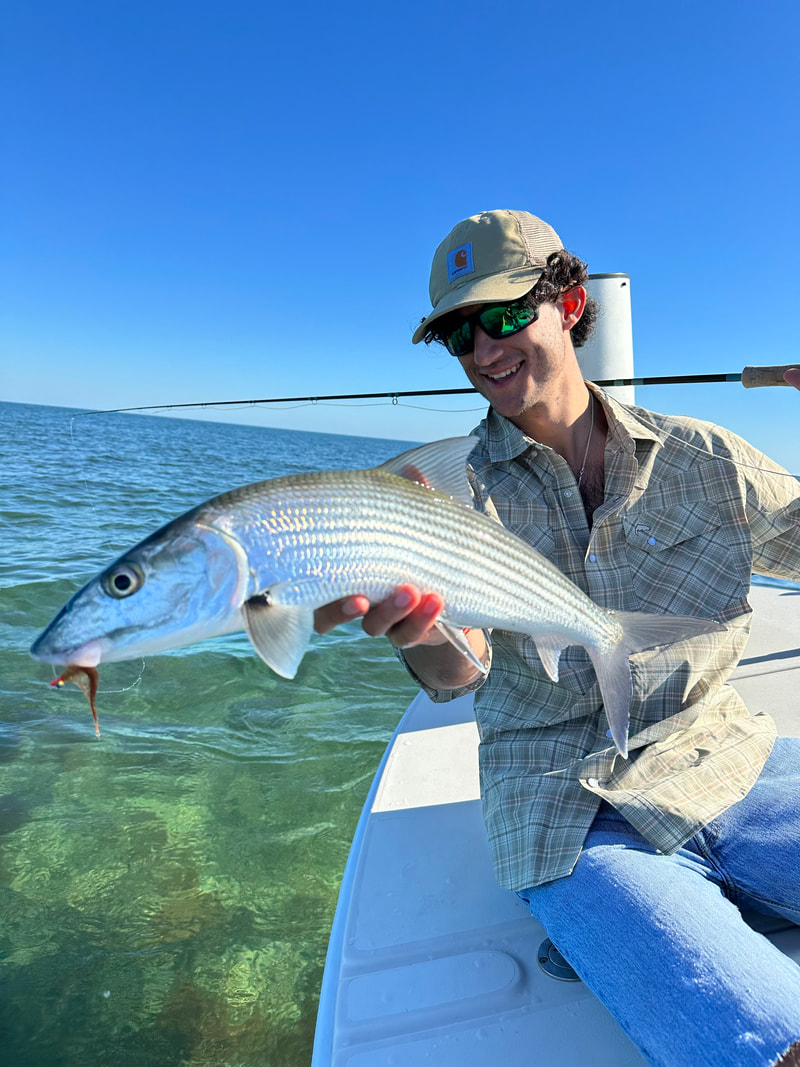
If you're ready to experience what summer fly fishing in Islamorada and Everglades National Park is really about, let's get you on the water. The fish are waiting, and I guarantee the action will surprise you.

Ready to book your summer fly fishing adventure? Contact Captain Brett Greco for charter availability and let's make some memories on the water.

0 Comments

Why Fall is the Ultimate Season for Flats Fishing in Islamorada and Everglades National Park

5/27/2025

0 Comments

 
Picture
As the oppressive heat of summer begins to fade and the first hints of cooler weather arrive in the Florida Keys, something magical happens in the waters around Islamorada and Everglades National Park. Fall ushers in what many experienced anglers consider the absolute best time of year to target the Grand Slam species that make this region legendary among saltwater fly fishermen.

The combination of optimal water temperatures, reduced fishing pressure, and predictable weather patterns creates the perfect storm for consistently productive days on the flats.

Water Temperature Perfection
Fall brings the goldilocks zone of water temperatures to our local flats. As summer's brutal heat subsides, water temperatures drop from the upper 80s and low 90s to the perfect 75-82 degree range that triggers aggressive feeding behavior across all our target species. This temperature sweet spot increases fish metabolism while keeping them comfortable enough to feed throughout the day, rather than just during the cooler dawn and dusk periods of summer.

Baitfish Migration Patterns
One of the most significant factors that makes fall fishing so productive is the massive movement of baitfish through our waters. As temperatures cool, enormous schools of pilchards, threadfin herring, and glass minnows begin their seasonal migrations. These bait movements concentrate our gamefish in predictable areas, making them easier to locate and more willing to feed aggressively.

Reduced Fishing Pressure
While summer brings crowds of tourists and weekend warriors to the flats, fall sees a dramatic decrease in boat traffic. This reduced pressure allows fish to return to their natural feeding patterns and become less spooky. In areas like Everglades National Park, where fish can become extremely wary during high-pressure periods, this reduction in angling activity makes a tremendous difference in success rates.

Bonefish: The Gray Ghosts Come Alive
Fall is absolutely prime time for bonefish in both Islamorada and Everglades National Park. As water temperatures moderate, these fish become more active throughout the day and less spooky than during the hot summer months. The cooler water allows them to spend more time on the shallow flats where sight fishing opportunities are maximized.

In the backcountry of Everglades National Park, fall bonefish often school up in larger numbers, creating opportunities for multiple shots during a single encounter. The fish are also more willing to eat a variety of flies, from traditional crab patterns to small baitfish imitations, giving anglers more options when fish are being selective.

Permit: The Holy Grail Becomes More Attainable
Permit fishing reaches its peak during fall months in our area. These notoriously difficult fish become more predictable in their feeding patterns as temperatures cool. The abundant crab populations that thrive in fall provide excellent natural forage, making permit more willing to inspect and eat well-presented crab flies.
The calmer wind conditions typical of fall also make spotting and casting to permit significantly easier. When you can see these fish cruising the flats from greater distances and make more accurate presentations, your chances of success increase dramatically.

Tarpon: From Babies to Giants
While spring brings the massive adult tarpon migration through Islamorada, fall offers incredible opportunities for both juvenile tarpon in the backcountry and lingering adults around the bridges and channels. The juvenile tarpon in Everglades National Park become extremely active during fall, often feeding aggressively on small baitfish in shallow water.

These smaller tarpon (10-40 pounds) provide incredible action on lighter tackle and are perfect for anglers looking to experience the thrill of tarpon fishing without the marathon battles of 100+ pound fish. Their aggressive nature during fall makes them more willing to eat a variety of fly patterns and forgive imperfect presentations.

Redfish: Shallow Water Predators
Fall redfish fishing in our area is absolutely phenomenal. As temperatures drop, these fish move into extremely shallow water to feed, often pushing wakes and tailing in water so skinny their backs are exposed. This creates some of the most exciting sight fishing opportunities available anywhere.

The Everglades backcountry becomes a redfish paradise during fall, with fish cruising the mangrove shorelines and grass flats in predictable patterns. Their aggressive feeding behavior makes them willing targets for both fly and conventional tackle.

Snook: The Fall Feeding Frenzy
Snook fishing explodes during fall as these fish prepare for the cooler months ahead. They feed heavily on the abundant baitfish, becoming much more aggressive and less selective than during other seasons. The bridges and structures around Islamorada hold excellent populations of snook during fall, while the backcountry creeks and mangrove shorelines of Everglades National Park offer incredible sight fishing opportunities.

Weather Advantages: Why Fall Conditions Are Ideal

Predictable Wind Patterns
Summer's afternoon thunderstorms and unpredictable weather give way to much more stable conditions during fall. Wind speeds typically decrease and become more consistent, making it easier to plan fishing strategies and fish specific areas effectively. The reduced wind also improves water clarity, making sight fishing much more productive.

Comfortable Conditions for Anglers
Let's be honest—fishing in South Florida during summer can be brutal. Fall brings comfortable temperatures that allow anglers to fish all day without the exhaustion that comes with extreme heat. This means longer, more productive fishing days and better opportunities to target multiple species.

Extended Fishing Windows
During summer, the most productive fishing often occurs during the brief windows around dawn and dusk when temperatures are bearable. Fall extends these productive periods throughout much of the day, giving anglers more opportunities to encounter fish and perfect their techniques.

Islamorada: Accessibility Meets Productivity
The flats around Islamorada offer incredible diversity during fall. From the shallow turtle grass beds perfect for bonefish and permit to the deeper channels holding tarpon and snook, this area provides opportunities for all skill levels. The relatively easy access to productive water makes it perfect for anglers who want to maximize their time fishing rather than running to distant locations.

Everglades National Park: Wild Fish in Pristine Waters
The backcountry of Everglades National Park offers a completely different experience during fall. The fish here are typically less pressured and more aggressive, providing opportunities for truly wild fishing experiences. The vast network of creeks, bays, and flats means there's always productive water to explore, regardless of wind direction or tidal conditions.

Fly Selection for Fall Success
Fall fishing allows for a much wider variety of fly patterns than other seasons. Baitfish patterns become extremely effective as the natural forage moves through our waters. Small Clouser Minnows, Glass Minnows, and EP Baitfish patterns excel during this time. For bottom feeders like bonefish and permit, crab patterns in both light and dark colors produce consistently.

Timing Your Trips
While fall fishing is generally excellent throughout the season, certain conditions can make specific days exceptional. Mild cold fronts often trigger feeding frenzies as fish sense the approaching weather change. The days immediately following a front passage can also be outstanding as fish resume normal feeding patterns.

Equipment Considerations
Fall's more comfortable conditions allow for longer days on the water, making equipment comfort more important. Lighter clothing and increased sun protection become priorities. The more predictable wind conditions also allow for more effective use of lighter tackle, making the fishing experience more enjoyable and sporting.

When booking a fall charter in our area, flexibility is key to maximizing success. The variety of productive species and locations during this season means we can adapt to conditions and angler preferences to ensure the best possible experience.

What to Expect on a Fall Charter
Fall charters offer the best chance for multiple species encounters. It's not uncommon to have shots at bonefish, permit, tarpon, redfish, and snook all in a single day. The comfortable weather conditions mean we can fish longer and cover more water, increasing opportunities for both quantity and quality.

Fall fishing in Islamorada and Everglades National Park represents the pinnacle of what flats fishing can offer. The combination of optimal water temperatures, abundant forage, reduced pressure, and comfortable weather conditions creates opportunities that simply don't exist during other seasons.
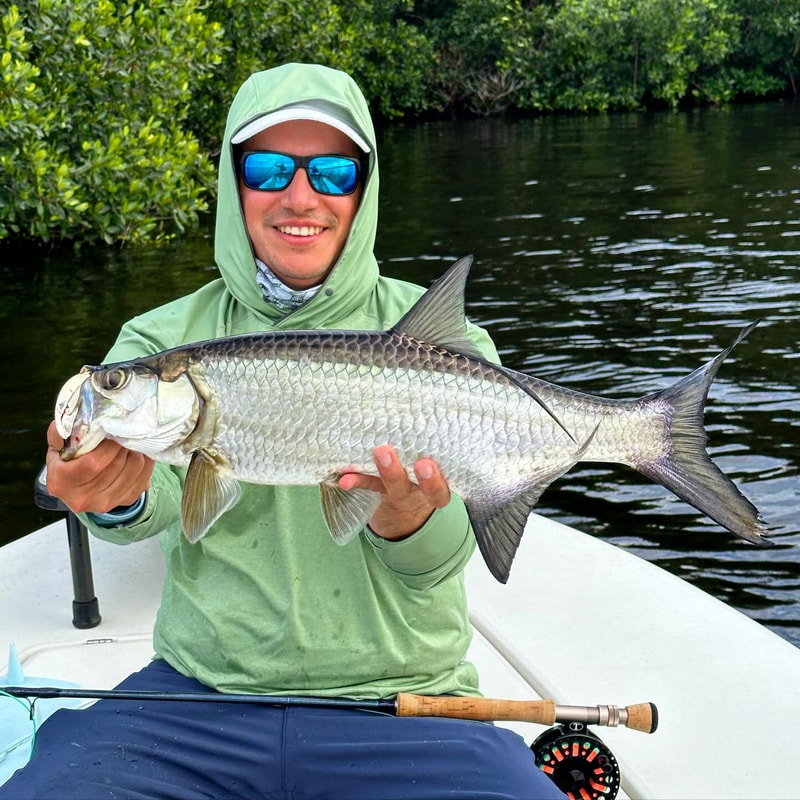
Whether you're an experienced angler looking to complete a Grand Slam or a newcomer wanting to experience the thrill of sight fishing in pristine waters, fall provides the best possible platform for success. The memories created during these magical fall days on the flats will last a lifetime and keep you planning your return before you've even made it back to the dock.

If you're considering a flats fishing adventure in the Florida Keys, don't overlook the incredible opportunities that fall provides. The fish are there, the conditions are perfect, and the experiences are unforgettable.

0 Comments

Planning Your Peak Season Keys Adventure: Secure Your Summer-to-Fall Dates with Capt. Brett Greco

5/1/2025

0 Comments

 
Picture
There's something magical about the Florida Keys during the transition from summer into fall. While tourists begin to thin out, the fishing action only intensifies across the diverse fisheries spanning from Islamorada to Everglades National Park. For anglers looking to experience the quintessential Keys fishing adventure, this period offers some of the year's most productive opportunities.

Captain Brett Greco, a seasoned Florida Keys fishing charter captain, has spent decades mastering these waters through every seasonal shift. "Late summer into fall is when the Keys really shine for serious anglers," Captain Brett explains. "The water clarity improves, bait migrations intensify, and predator fish settle into predictable patterns that create exceptional sight fishing opportunities."

TARPON: BEYOND THE MIGRATION
While spring receives most of the tarpon attention, savvy anglers know that resident tarpon fishing actually improves as summer progresses. "Once the migratory push ends, our resident tarpon settle into their summer haunts around bridges, basins and channels," notes Captain Brett. "These fish typically range from 20-80 pounds and are often more willing to eat than their larger migratory cousins."

Fishing the early morning outgoing tides around bridge channels or the late afternoon feeding periods in backcountry basins produces consistent action. Whether you prefer fly fishing with Tarpon Toads or conventional tackle with live crabs, Captain Brett's Islamorada fishing charters put you on these silver kings when other anglers have abandoned the pursuit.

PERMIT: PRIME FLATS OPPORTUNITIES
Summer into fall represents the absolute peak for permit on the flats. As water temperatures stabilize and backcountry waters clear, these bronze fighters become more visible and active on shallow flats.

"September and October might be my favorite permit months," Captain Brett reveals. "The fish are less pressured, and we often find them tailing during prime tide phases. There's nothing more exciting than poling across a pristine flat and spotting those black sickle tails waving in the morning light."

Captain Brett's technical skiff allows access to the shallowest permit sanctuaries from Islamorada down through Everglades National Park, giving anglers shots at these coveted gamefish in their natural environment.

REDFISH & BONEFISH: CONSISTENT PLAYERS
The backcountry waters of Everglades National Park and the flats surrounding Islamorada offer outstanding opportunities for both redfish and bonefish during this seasonal transition.

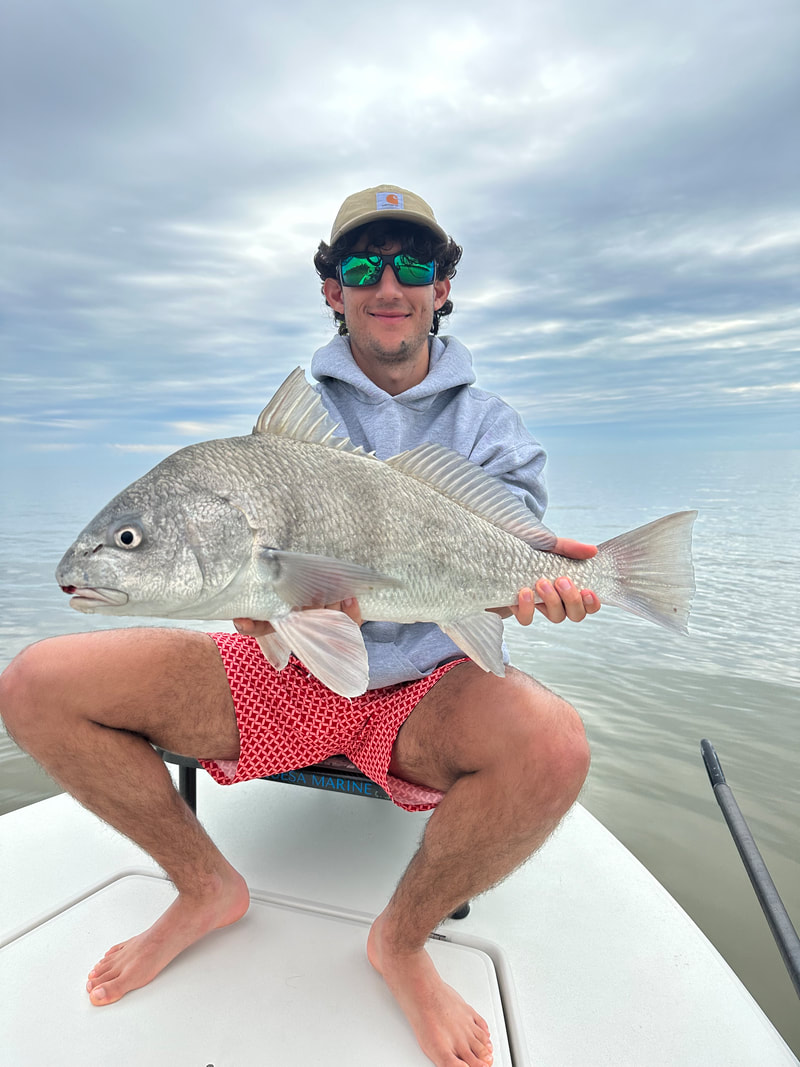
"Redfish schools really concentrate as we move toward fall," Captain Brett explains. "We find them pushing water across shallow flats during higher tide stages, creating spectacular sight fishing scenarios."

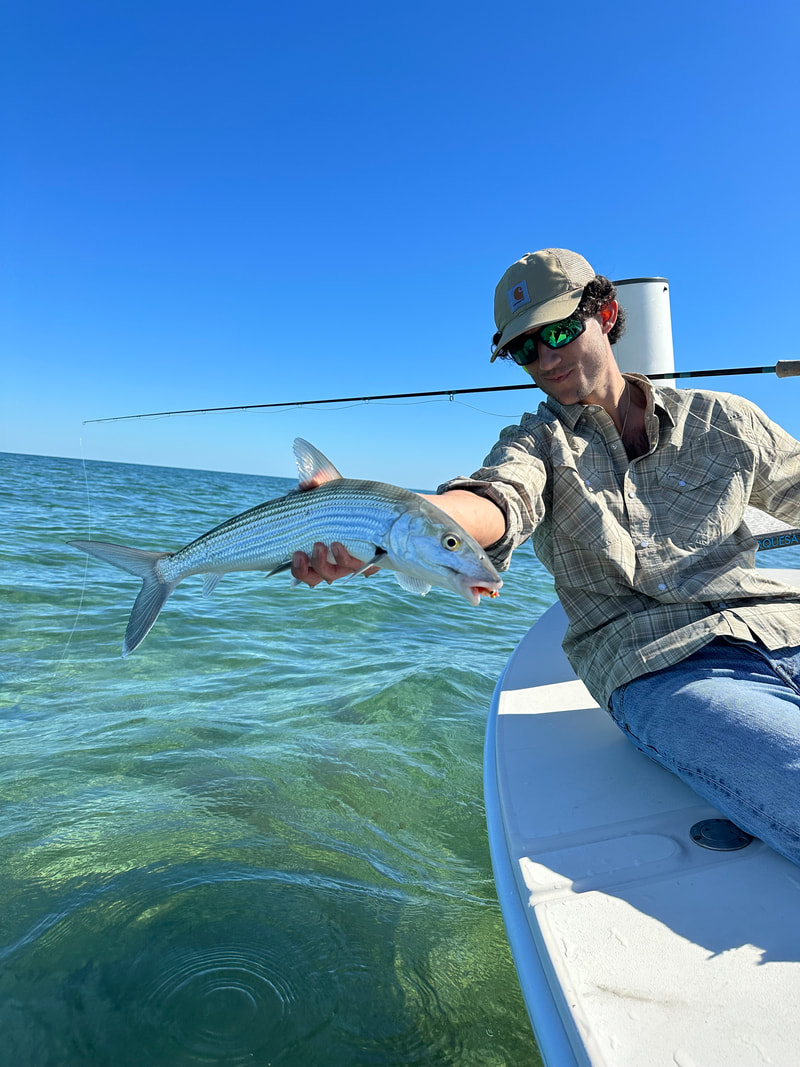
Meanwhile, bonefish action remains consistent throughout these months, with fish often found in more predictable patterns than during the heat of summer. Captain Brett's years of experience allow him to target the right species at the right time based on conditions.
THE WEATHER ADVANTAGE
Perhaps the most underrated aspect of late summer into fall fishing is the improving weather patterns. "We typically see winds decrease and stabilize compared to spring," says Captain Brett. "This creates more fishable days and allows us to access areas that might be difficult earlier in the year."

The occasional cold front pushing through in early fall can trigger feeding frenzies across multiple species, creating some of the year's most productive fishing days.

BOOK YOUR FLORIDA KEYS FISHING ADVENTURE

Whether you're an experienced angler seeking a trophy permit on fly or a family looking to experience the thrill of hooking into your first tarpon, Captain Brett Greco's fishing charters deliver customized experiences throughout Islamorada and Everglades National Park.

As summer transitions to fall, prime dates fill quickly for this exceptional fishing window. Contact Captain Brett today to secure your opportunity to experience the Florida Keys' most productive season on the water.
0 Comments
<<Previous

    CAPT. BRETT
    Check back for the latest fishing report by Capt. Brett Greco.

    ARCHIVES

    June 2025
    May 2025
    April 2025
    March 2025
    February 2025
    December 2024
    October 2024
    September 2024
    April 2024
    March 2024
    January 2024
    October 2023
    August 2023
    May 2023
    April 2023
    March 2023
    February 2023
    January 2023
    December 2022
    November 2022
    September 2022
    April 2022
    March 2022
    February 2022
    January 2022
    August 2021
    July 2021
    March 2021
    February 2021
    January 2021
    December 2020
    October 2020
    September 2020
    August 2020
    July 2020
    June 2020
    March 2020
    February 2020
    January 2020
    December 2019
    November 2019
    September 2019
    August 2019
    July 2019
    May 2019
    April 2019
    January 2019
    December 2018
    November 2018
    October 2018
    September 2018
    August 2018
    July 2018
    June 2018
    May 2018
    April 2018
    March 2018
    February 2018
    January 2018
    December 2017
    November 2017
    October 2017
    September 2017
    August 2017
    July 2017
    June 2017
    May 2017
    April 2017
    March 2017
    February 2017
    January 2017
    December 2016
    September 2016

    TAGS

    All
    Biscayne Bay Fishing Charters
    Everglades Fishing Charters
    Everglades National Park Fishing
    Florida Bay Fly Fishing
    Florida Keys Fishing Charters
    Florida Keys Fly Fishing
    Florida Keys Offshore Fishing
    Florida Keys Permit On Fly
    Florida Keys Tarpon
    Fly Fishing Guide Islamorada
    Fly Fishing Tarpon Islamorada
    Inshore Fishing Florida Keys
    Islamorada Backcountry Fishing
    Islamorada Charter Guide
    Islamorada Fishing Charters
    Islamorada Fly Fishing
    Islamorada Inshore Fishing
    Key Largo Fly Fishing
    Key Largo Inshore Fishing
    Madison River Fly Fishing
    Missouri River Fly Fishing
    Montana Fly Fishing
    Offshore Fishing Islamorada
    Permit Fishing Islamorada
    Tarpon Season Florida Keys
    Yellowstone River Fly Fishing

    RSS Feed

Picture
HOME | ABOUT | RATES | PHOTOS
FISHING REPORTS | CONTACT

Picture
© 2021 Grecos on the Fly | All Rights Reserved.
Captain Brett Greco | [email protected]
Tel. 406-640-2627

Website Designed by Mellowfish Media
  • HOME
  • ABOUT
  • RATES
    • POLING SKIFF RATES
    • BAY BOAT RATES
    • FLORIDA KEYS FLY FISHING INFO
  • PHOTOS
  • REPORTS
  • CONTACT