Islamorada Inshore Fishing Charters :: Florida Keys Fly Fishing Charters
  • HOME
  • ABOUT
  • RATES
    • POLING SKIFF RATES
    • BAY BOAT RATES
    • FLORIDA KEYS FLY FISHING INFO
  • PHOTOS
  • REPORTS
  • CONTACT

Why Fall is the Ultimate Season for Flats Fishing in Islamorada and Everglades National Park

5/27/2025

0 Comments

 
Picture
As the oppressive heat of summer begins to fade and the first hints of cooler weather arrive in the Florida Keys, something magical happens in the waters around Islamorada and Everglades National Park. Fall ushers in what many experienced anglers consider the absolute best time of year to target the Grand Slam species that make this region legendary among saltwater fly fishermen.

The combination of optimal water temperatures, reduced fishing pressure, and predictable weather patterns creates the perfect storm for consistently productive days on the flats.

Water Temperature Perfection
Fall brings the goldilocks zone of water temperatures to our local flats. As summer's brutal heat subsides, water temperatures drop from the upper 80s and low 90s to the perfect 75-82 degree range that triggers aggressive feeding behavior across all our target species. This temperature sweet spot increases fish metabolism while keeping them comfortable enough to feed throughout the day, rather than just during the cooler dawn and dusk periods of summer.

Baitfish Migration Patterns
One of the most significant factors that makes fall fishing so productive is the massive movement of baitfish through our waters. As temperatures cool, enormous schools of pilchards, threadfin herring, and glass minnows begin their seasonal migrations. These bait movements concentrate our gamefish in predictable areas, making them easier to locate and more willing to feed aggressively.

Reduced Fishing Pressure
While summer brings crowds of tourists and weekend warriors to the flats, fall sees a dramatic decrease in boat traffic. This reduced pressure allows fish to return to their natural feeding patterns and become less spooky. In areas like Everglades National Park, where fish can become extremely wary during high-pressure periods, this reduction in angling activity makes a tremendous difference in success rates.

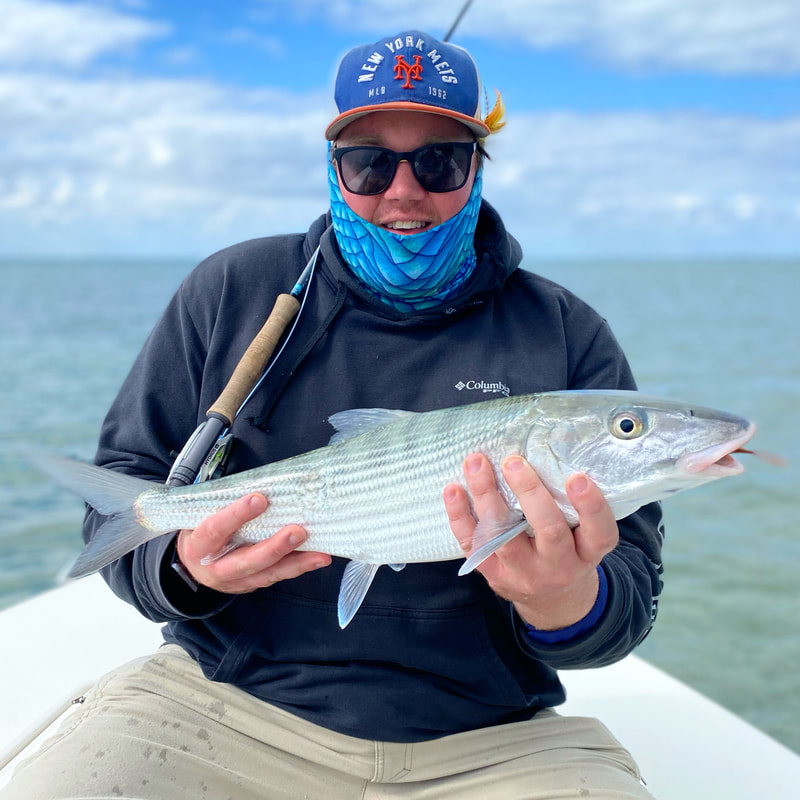
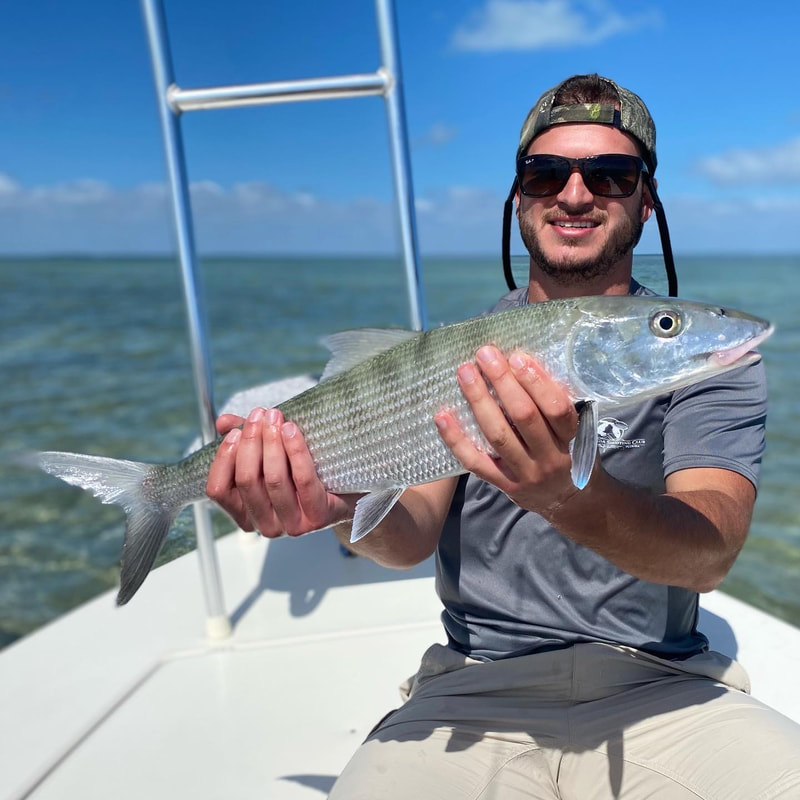
Bonefish: The Gray Ghosts Come Alive
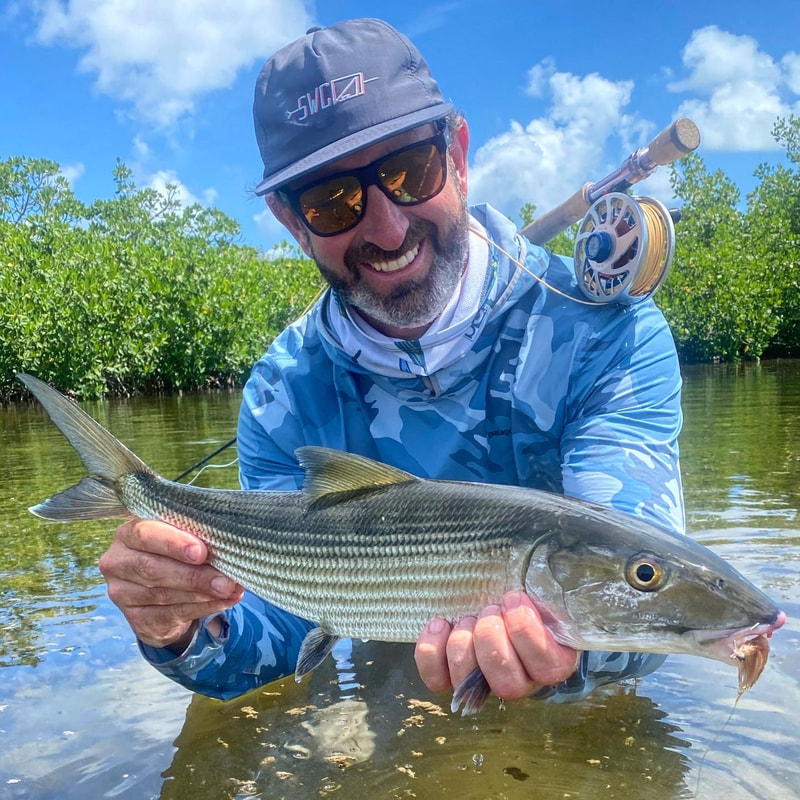
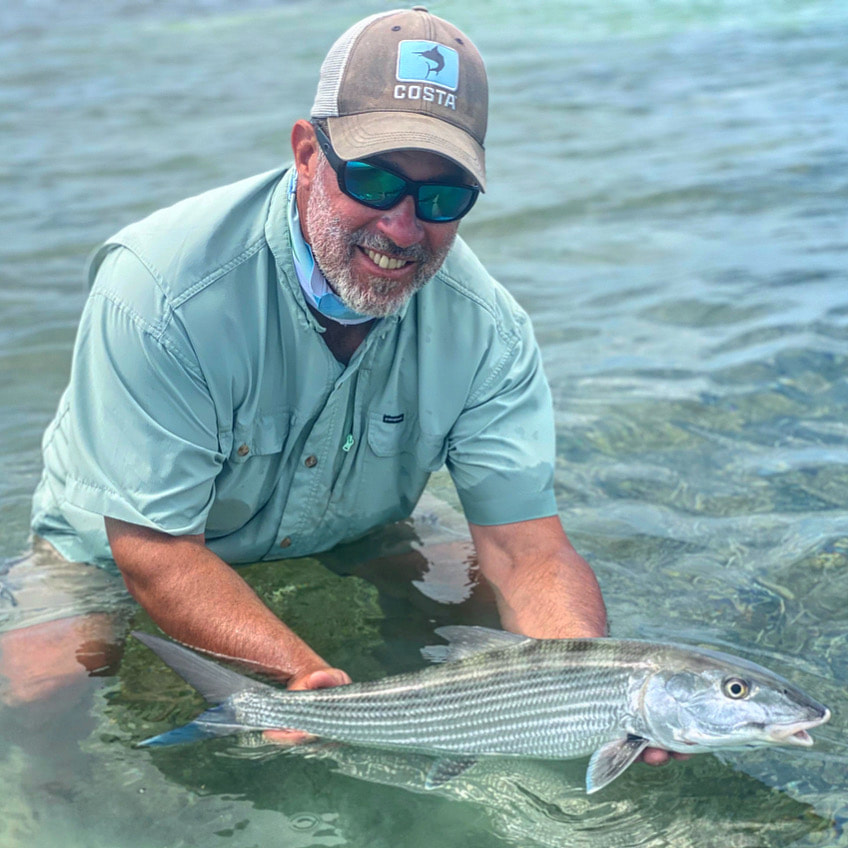
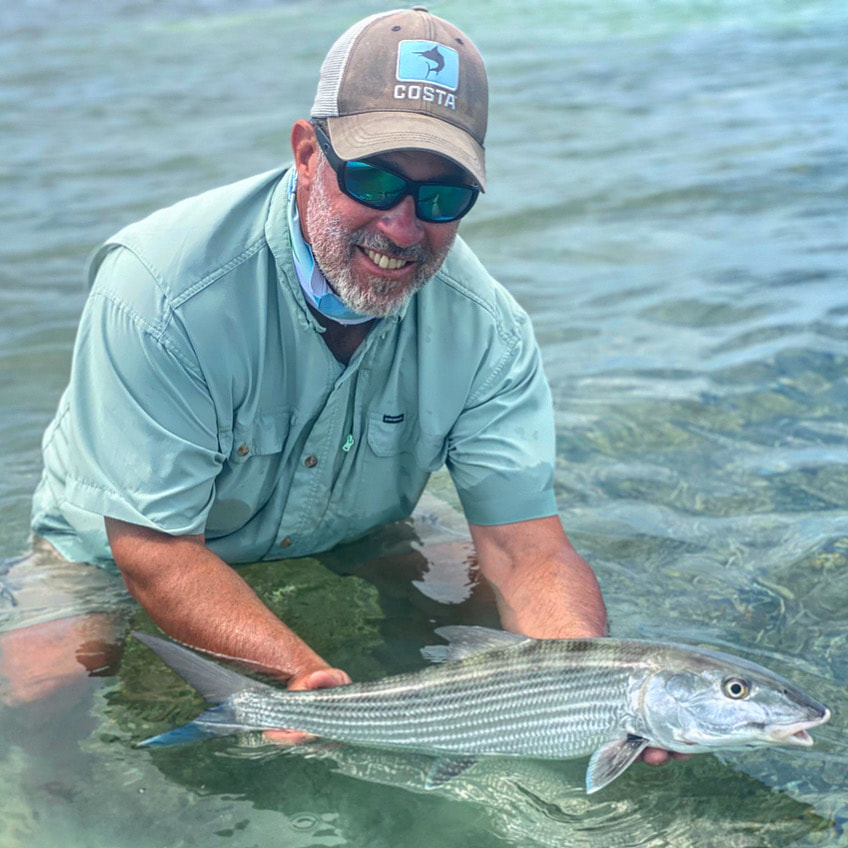
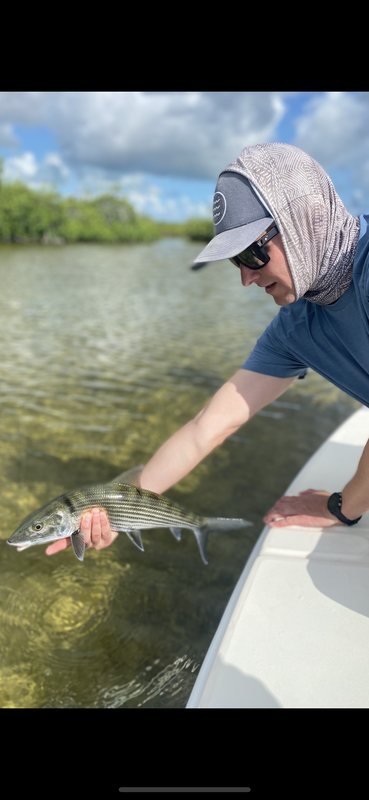
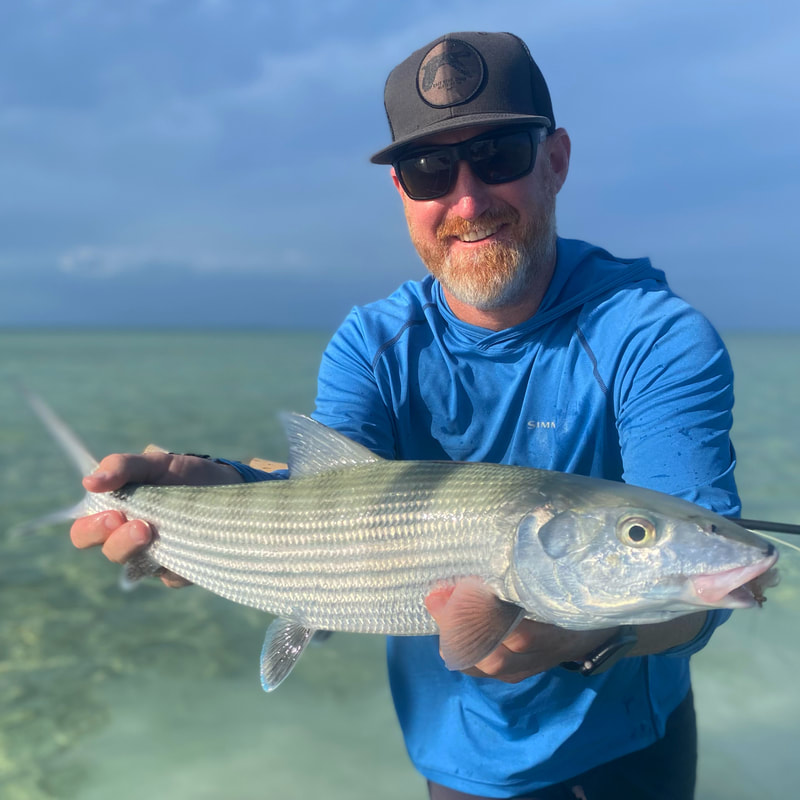
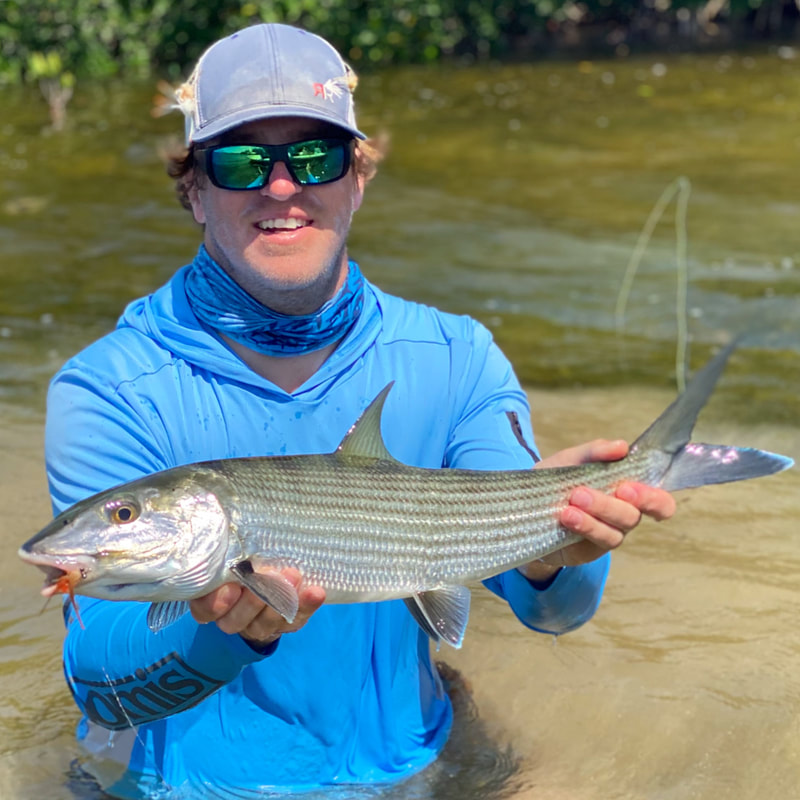
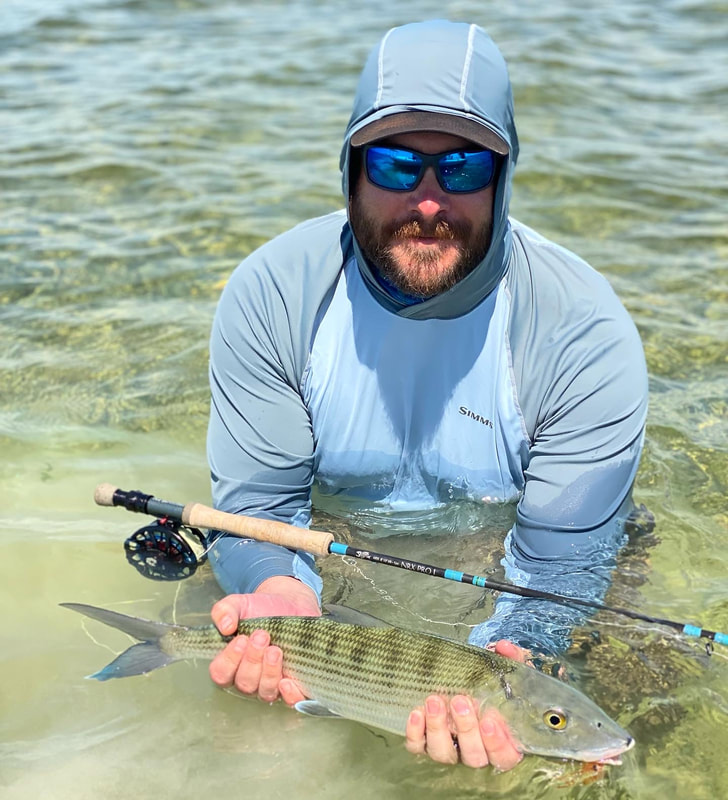
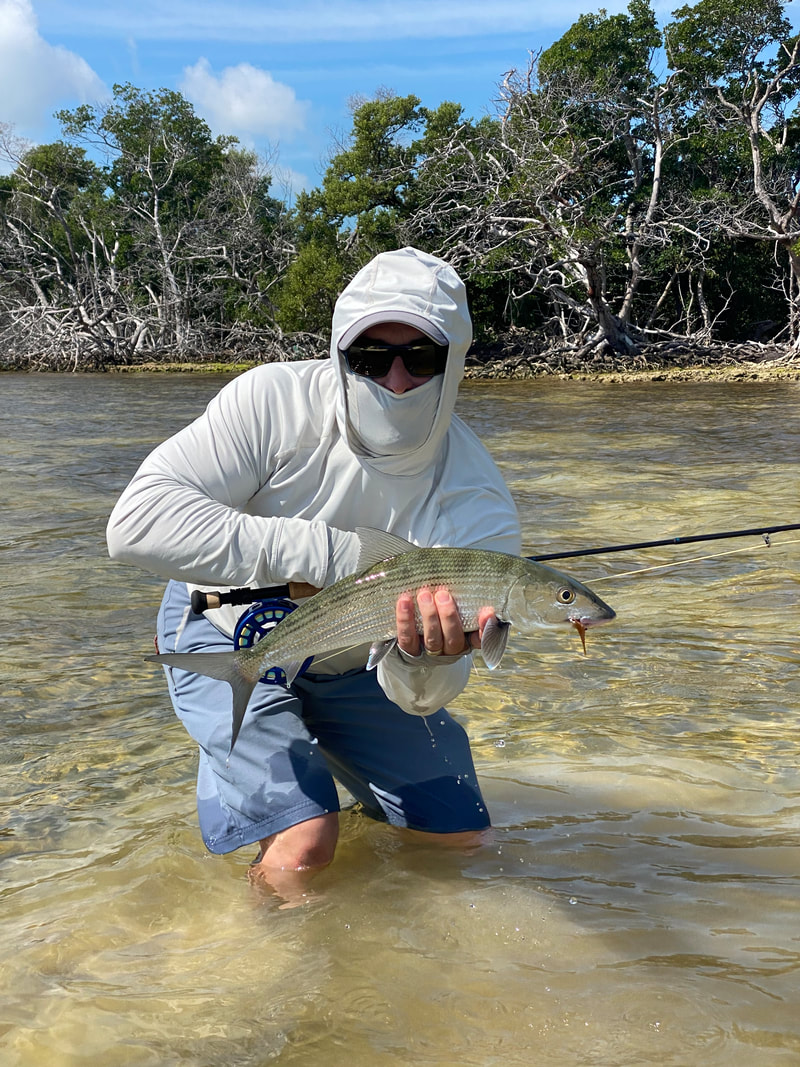
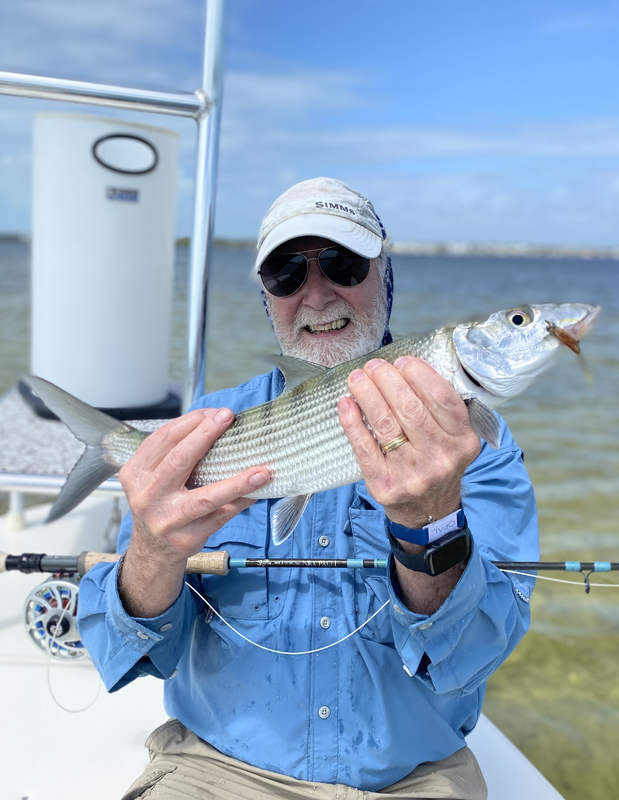
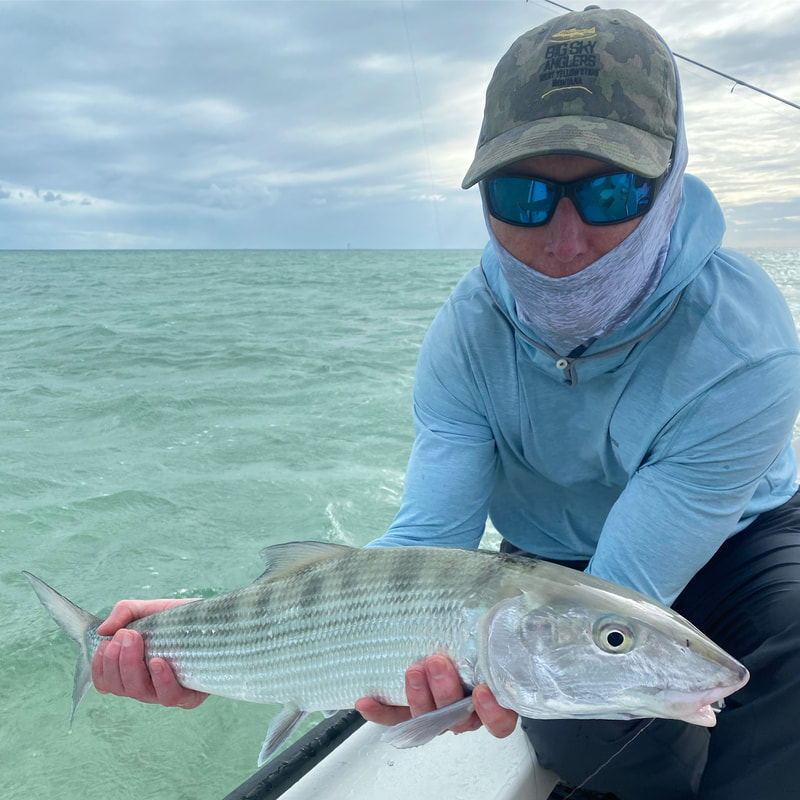
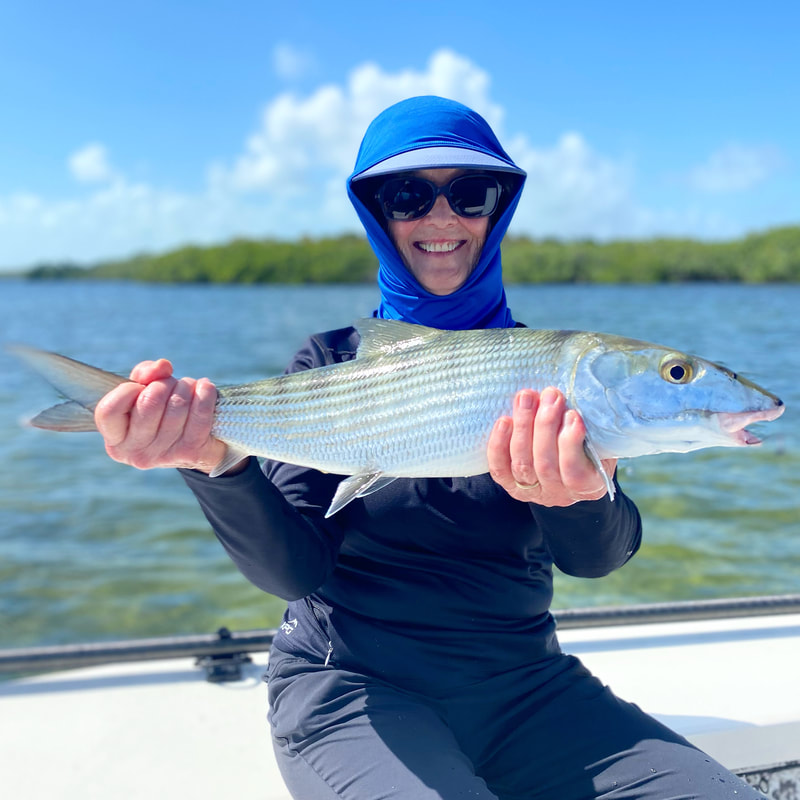
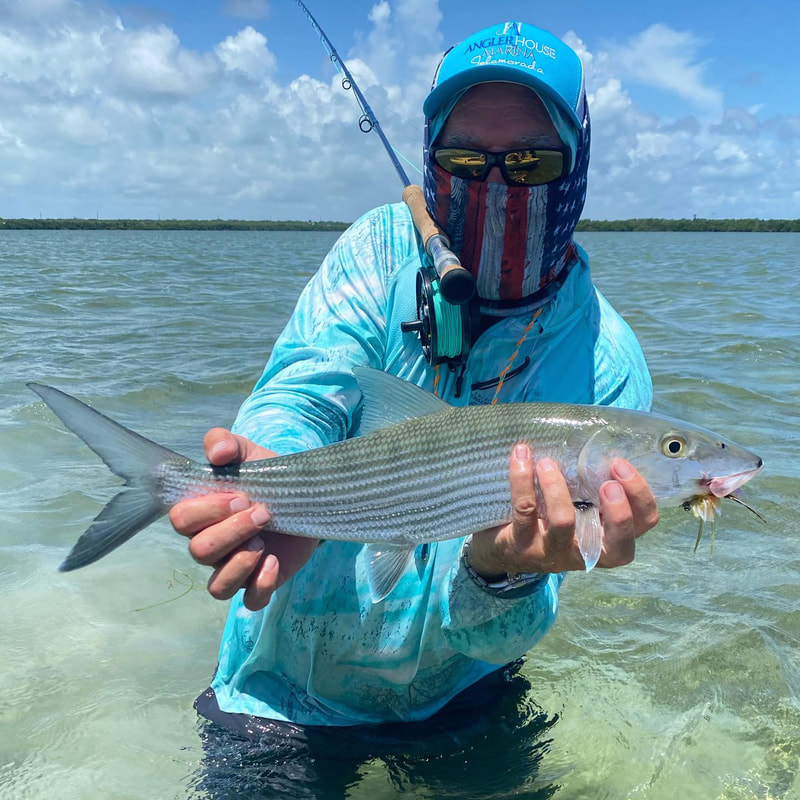
Fall is absolutely prime time for bonefish in both Islamorada and Everglades National Park. As water temperatures moderate, these fish become more active throughout the day and less spooky than during the hot summer months. The cooler water allows them to spend more time on the shallow flats where sight fishing opportunities are maximized.

In the backcountry of Everglades National Park, fall bonefish often school up in larger numbers, creating opportunities for multiple shots during a single encounter. The fish are also more willing to eat a variety of flies, from traditional crab patterns to small baitfish imitations, giving anglers more options when fish are being selective.

Permit: The Holy Grail Becomes More Attainable
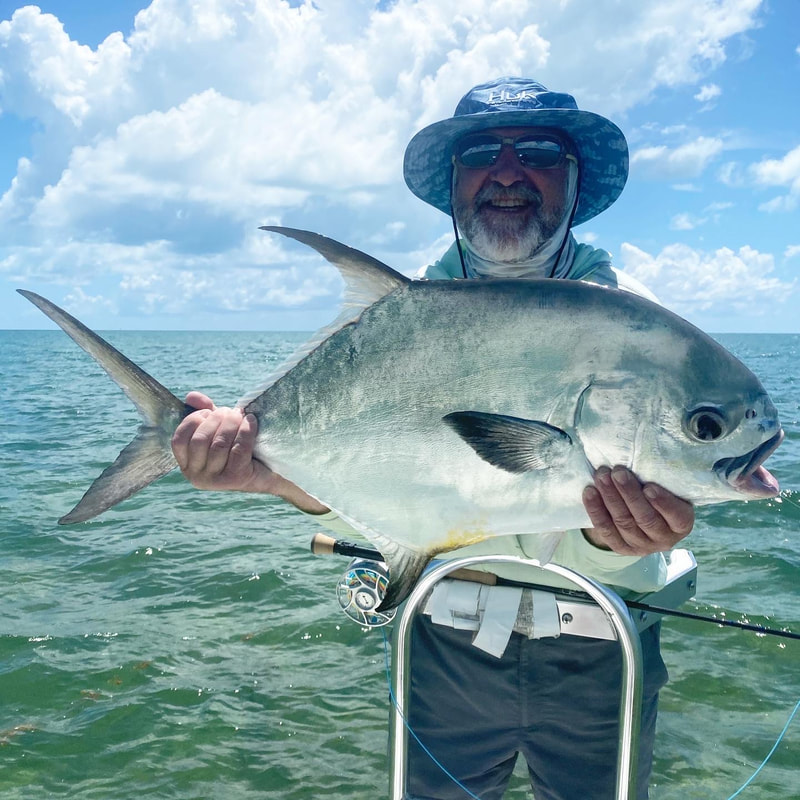
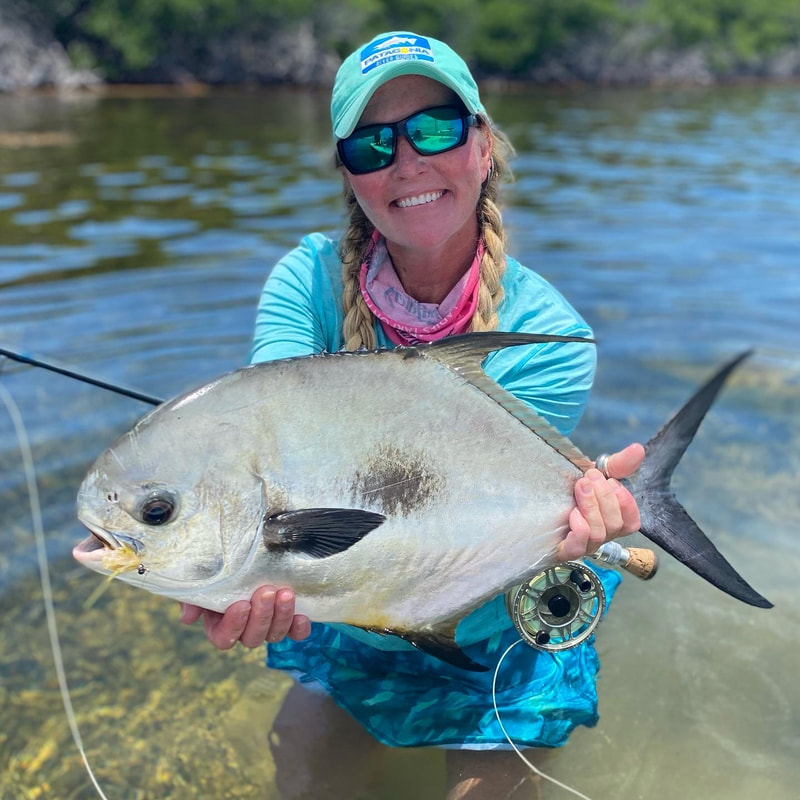
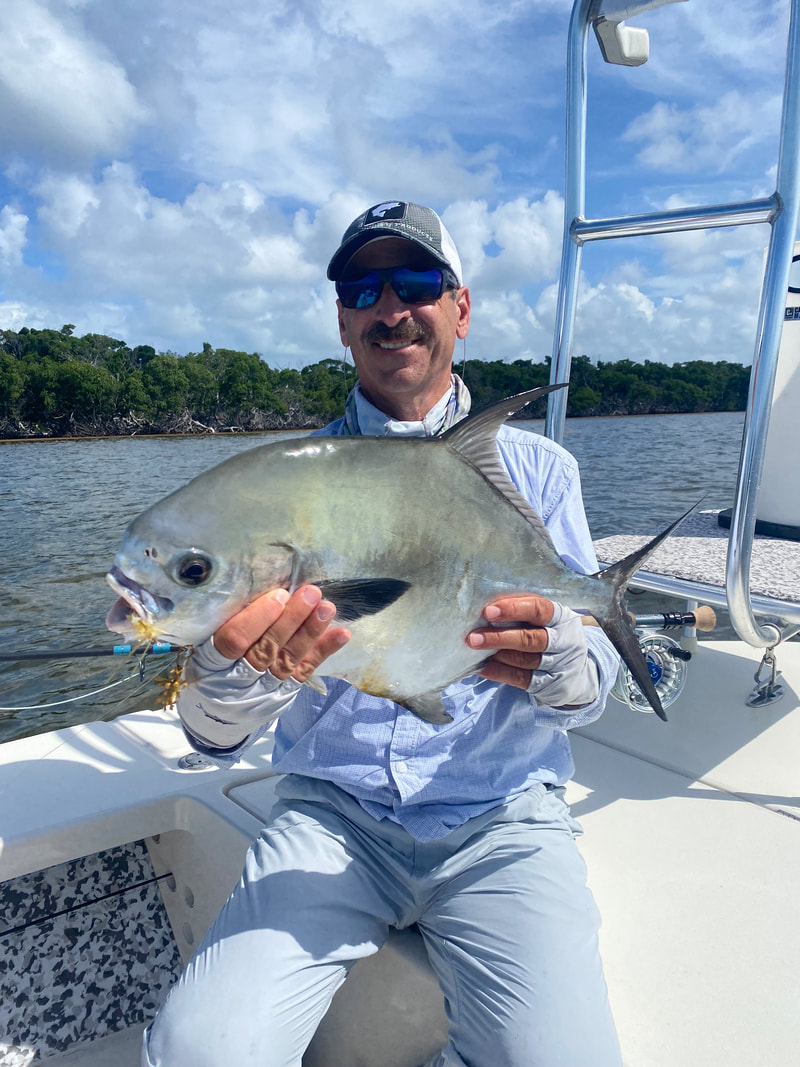
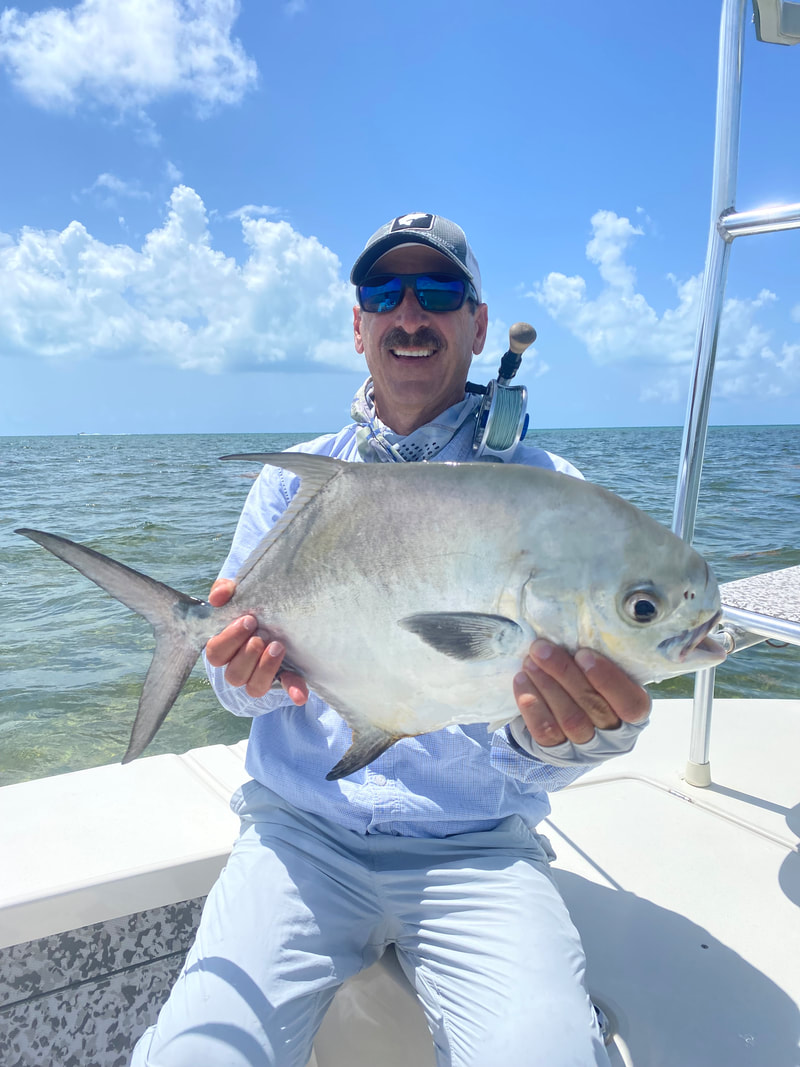
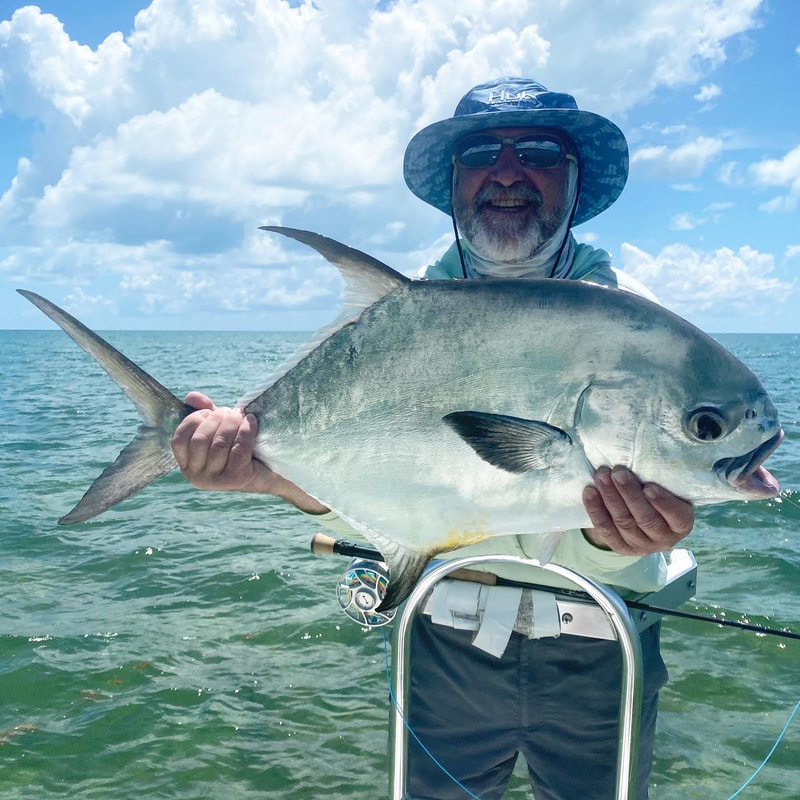
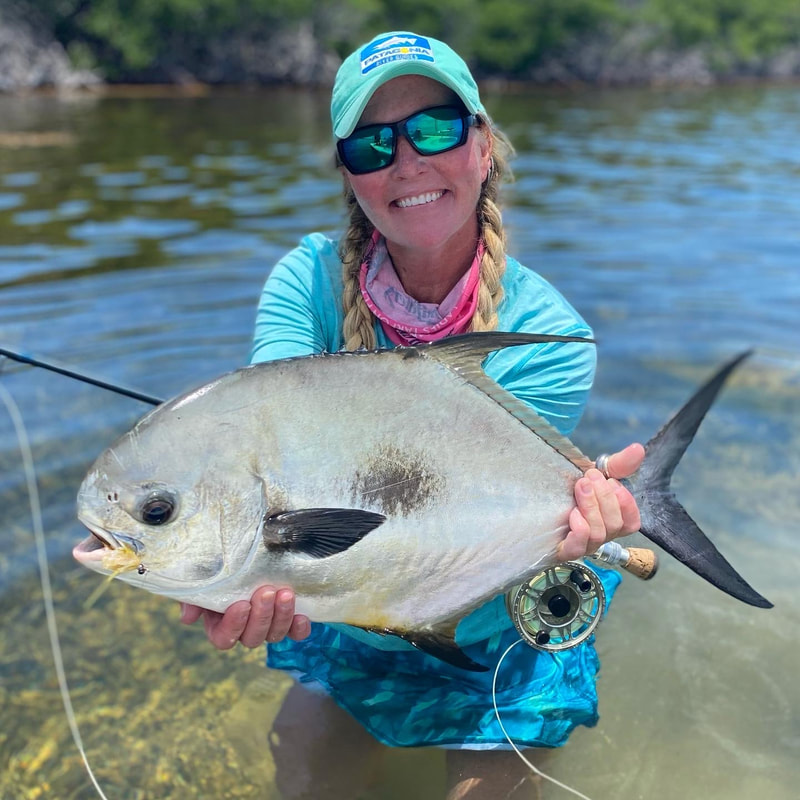
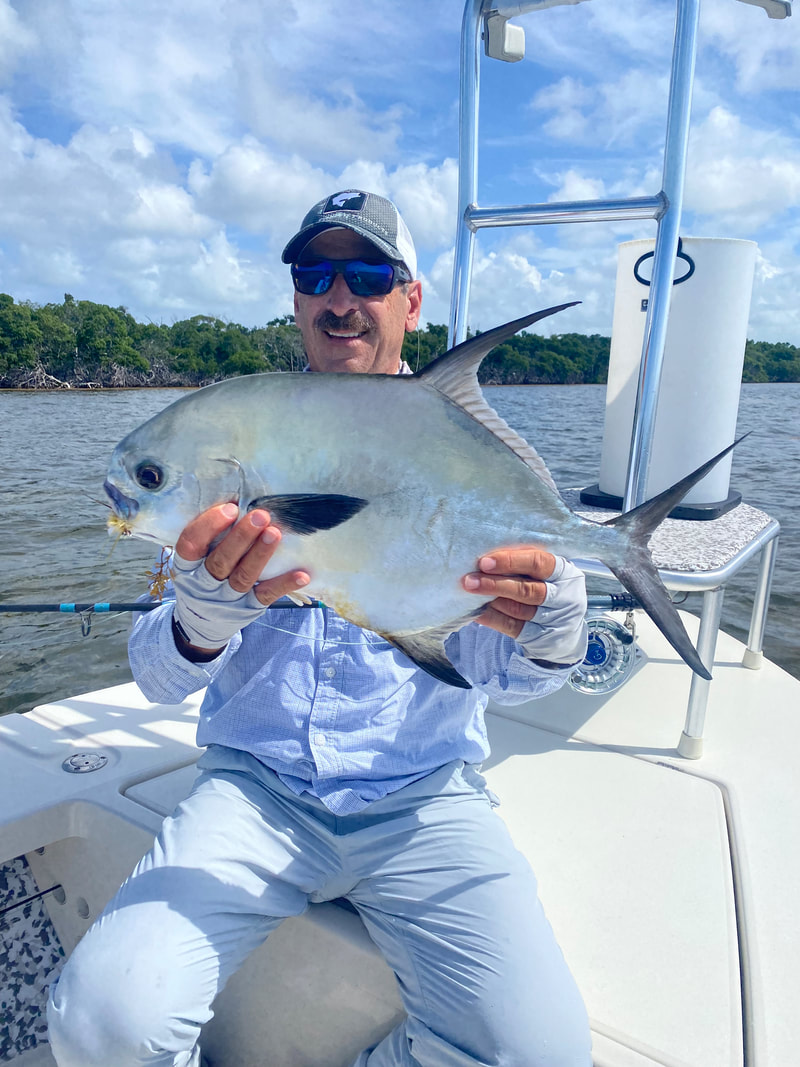
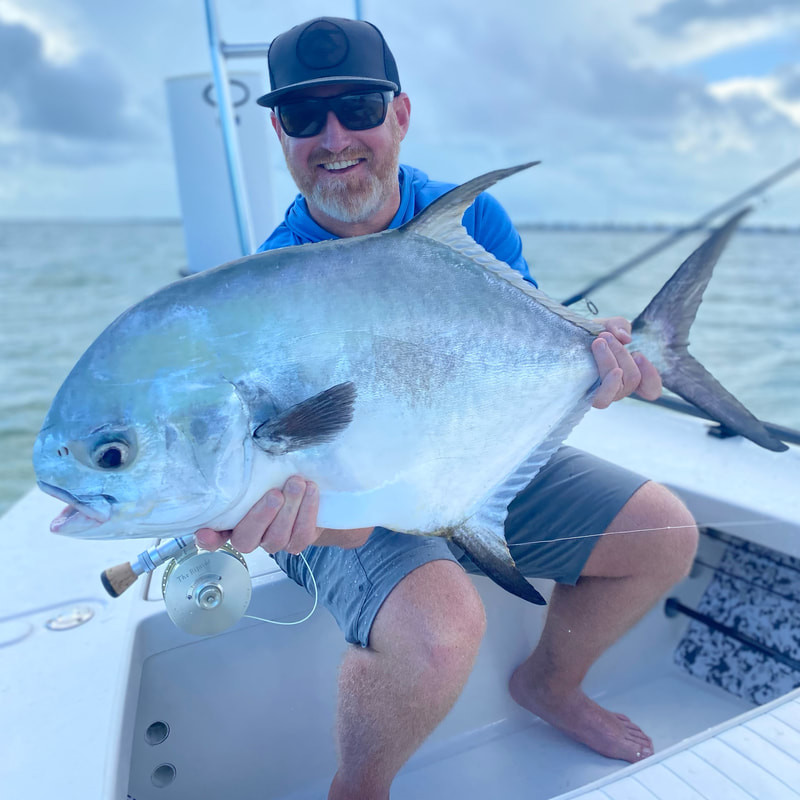
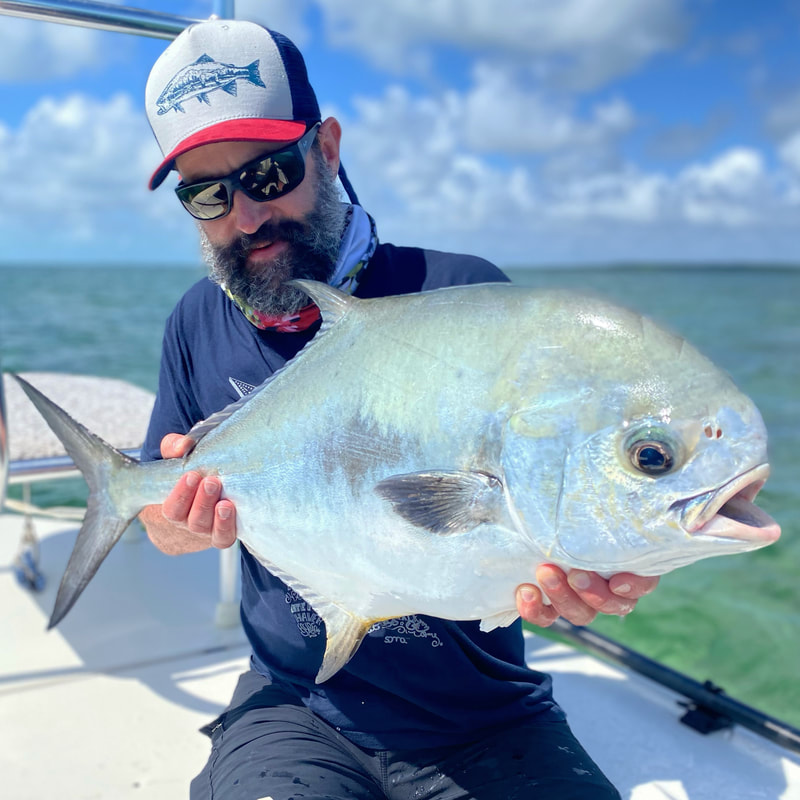
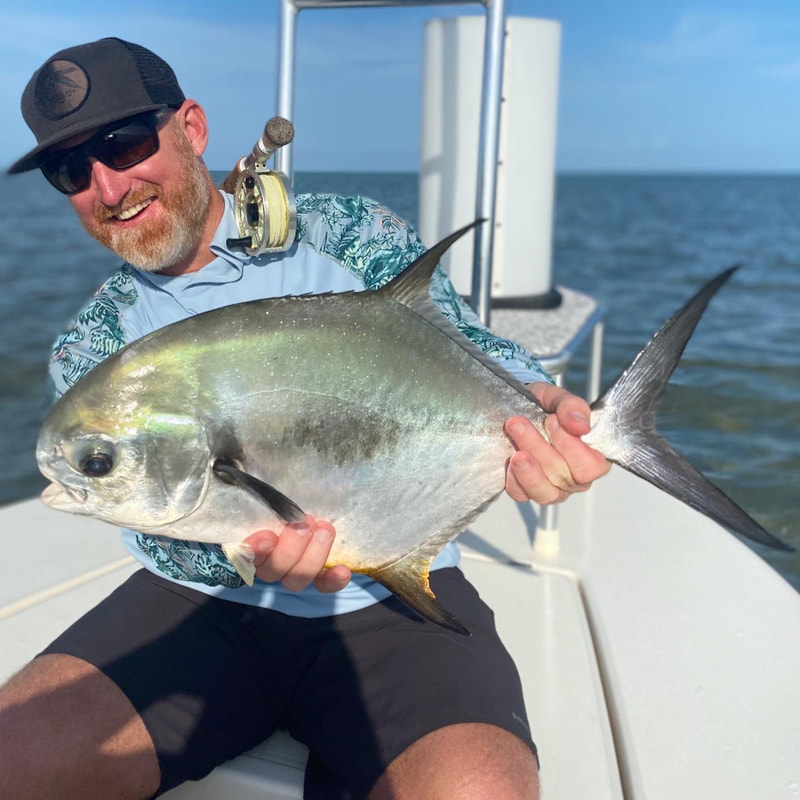
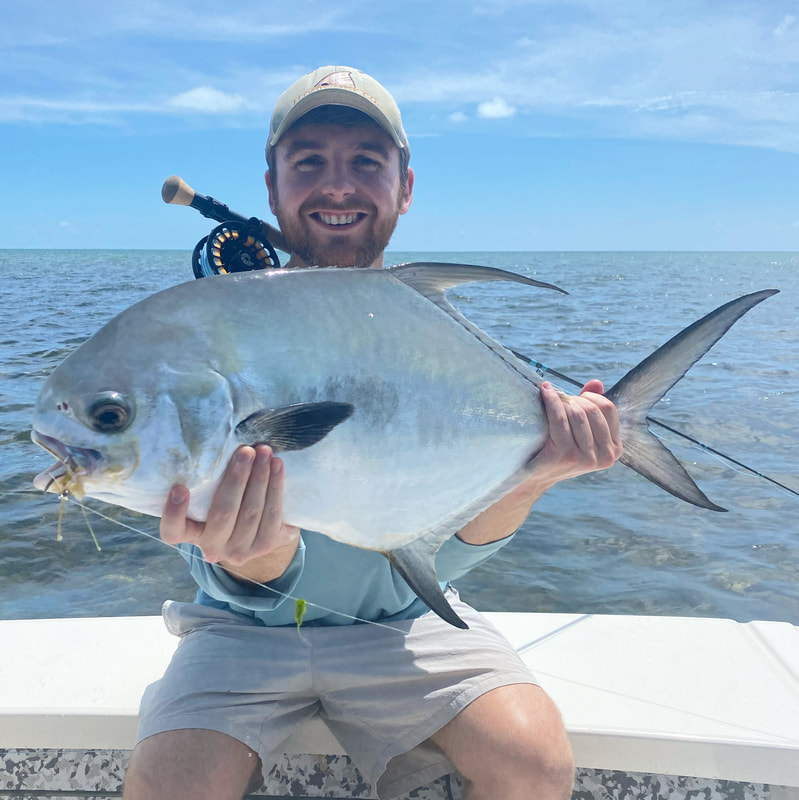
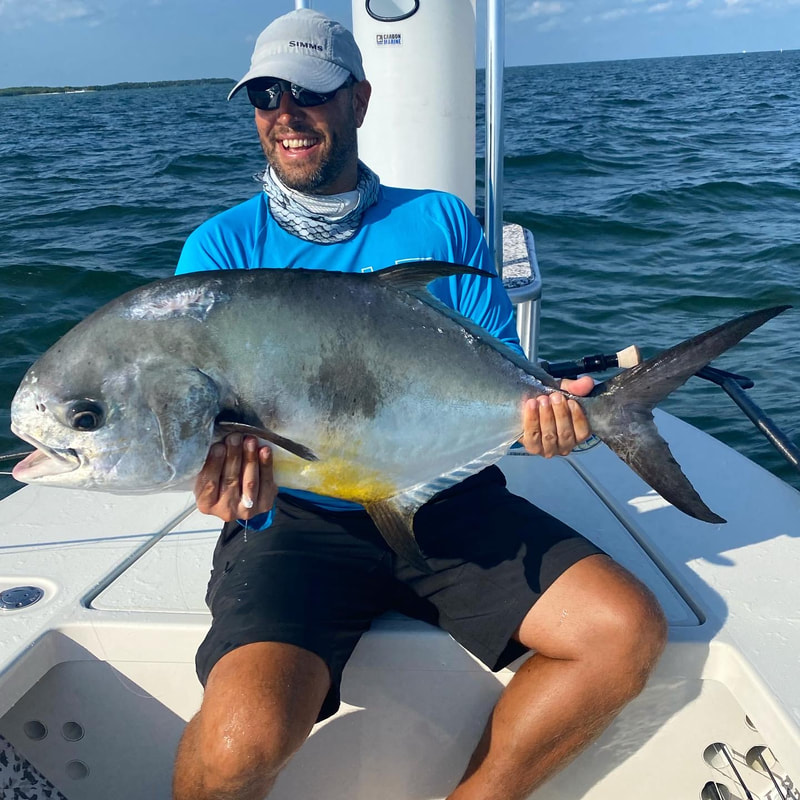
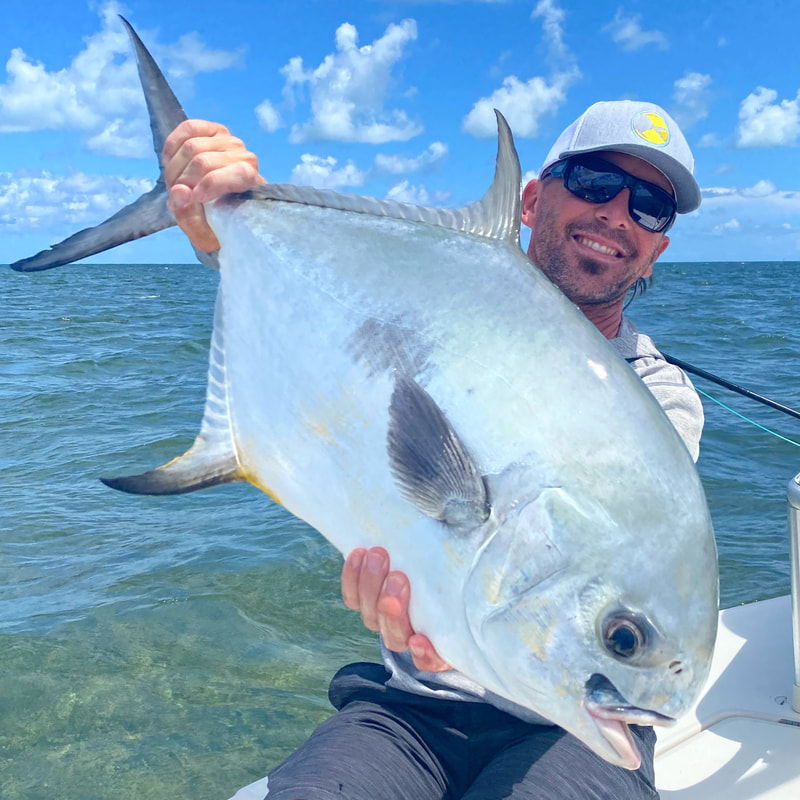
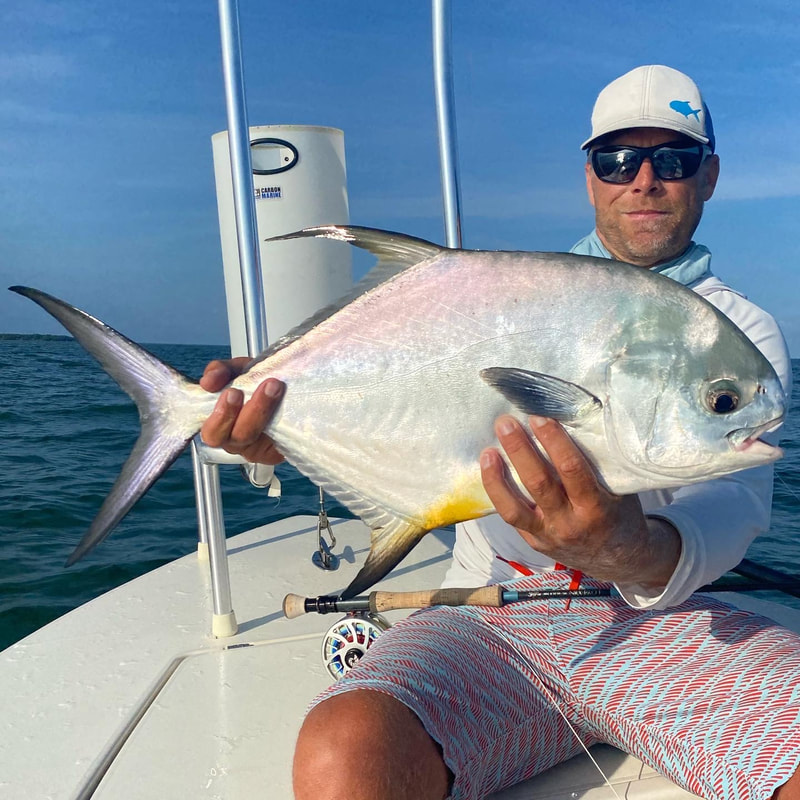
Permit fishing reaches its peak during fall months in our area. These notoriously difficult fish become more predictable in their feeding patterns as temperatures cool. The abundant crab populations that thrive in fall provide excellent natural forage, making permit more willing to inspect and eat well-presented crab flies.
The calmer wind conditions typical of fall also make spotting and casting to permit significantly easier. When you can see these fish cruising the flats from greater distances and make more accurate presentations, your chances of success increase dramatically.

Tarpon: From Babies to Giants
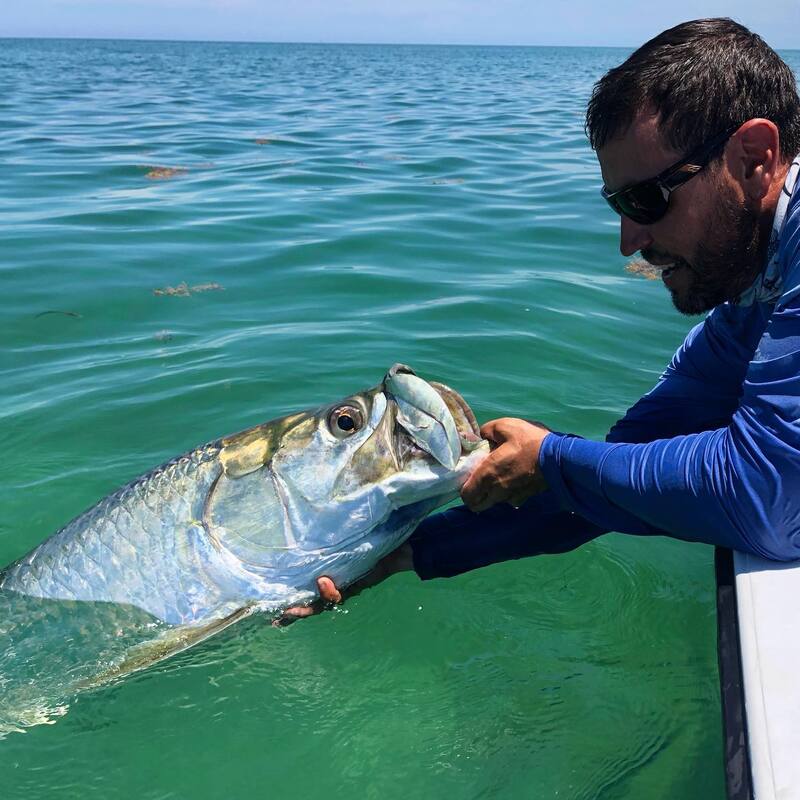
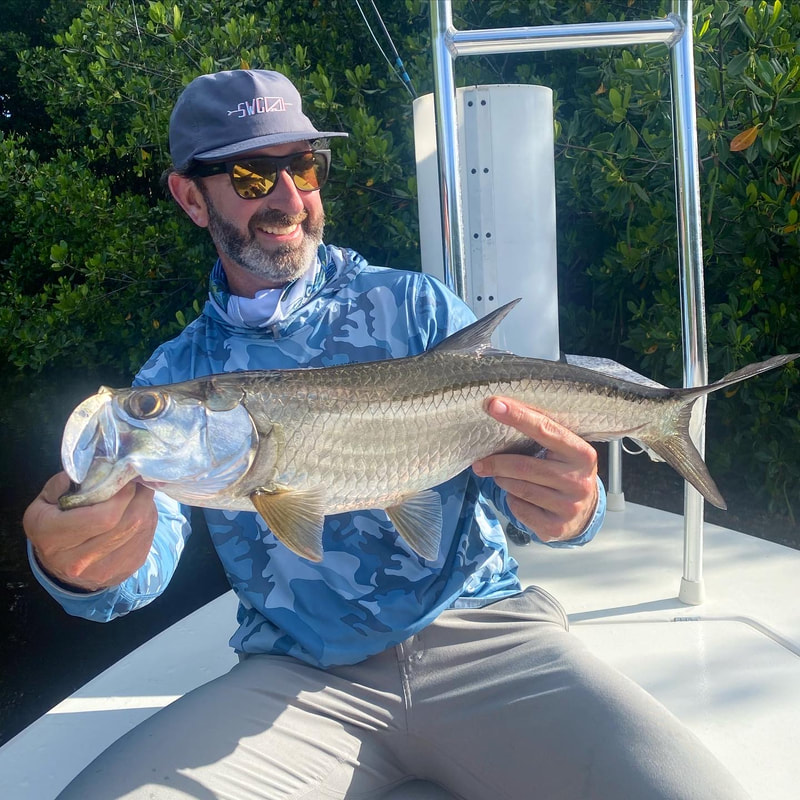
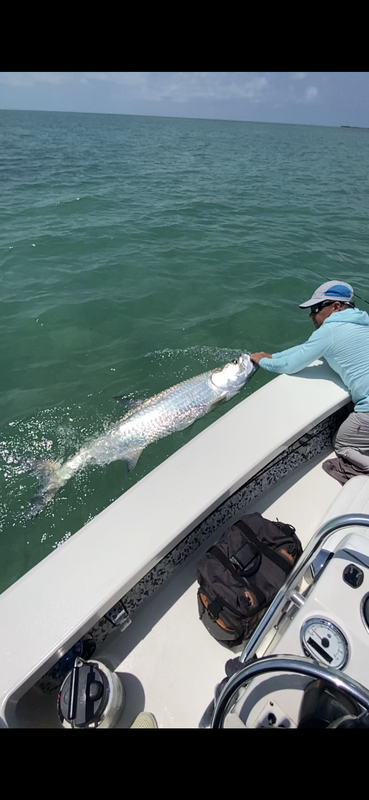
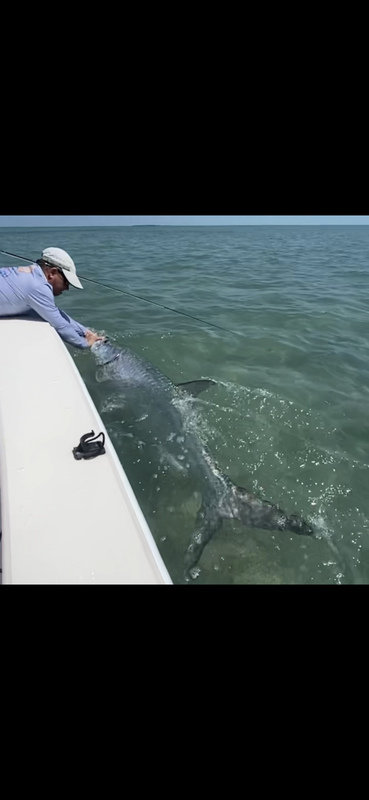
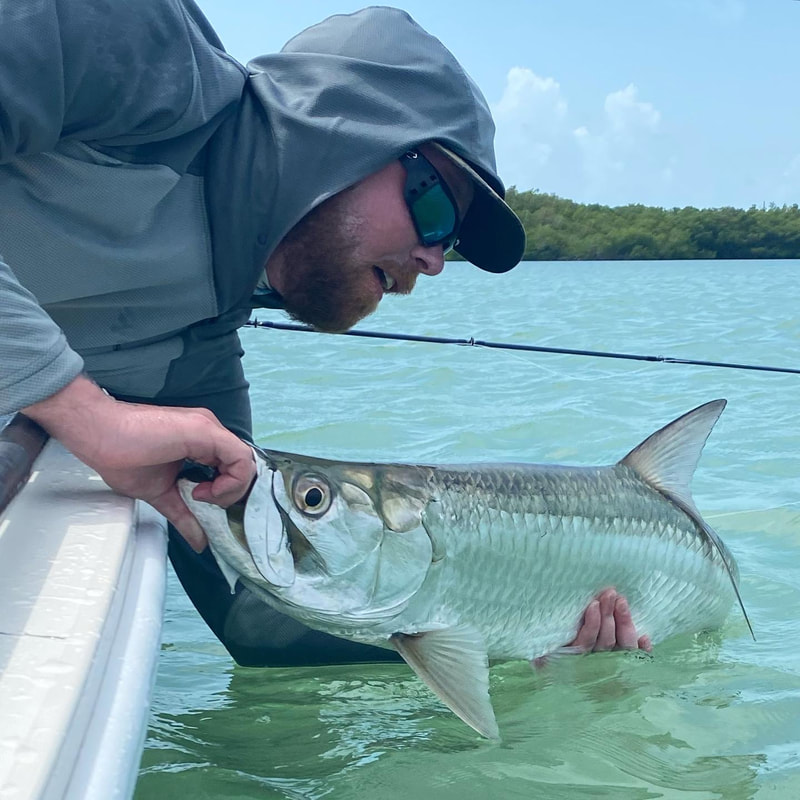
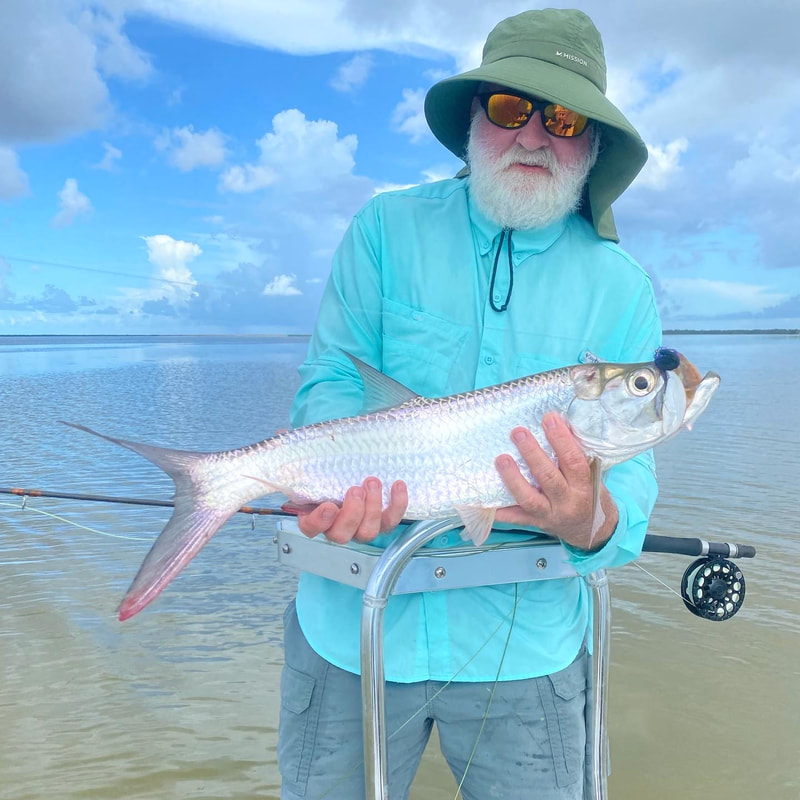
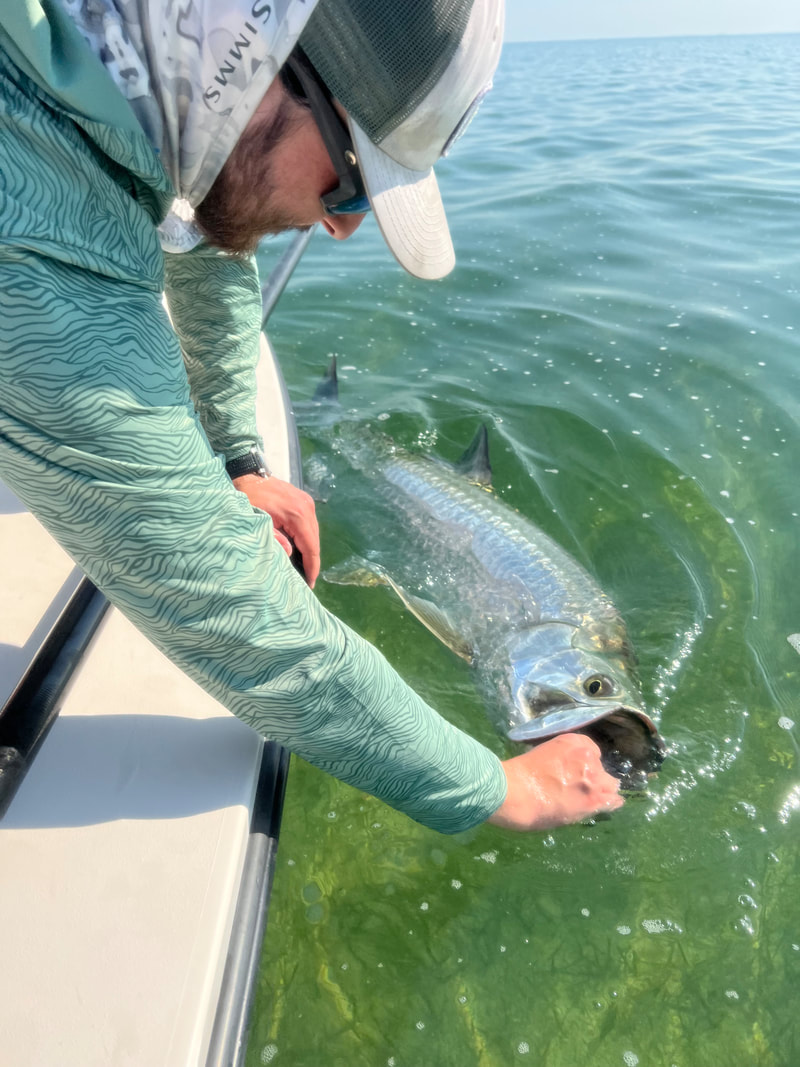
While spring brings the massive adult tarpon migration through Islamorada, fall offers incredible opportunities for both juvenile tarpon in the backcountry and lingering adults around the bridges and channels. The juvenile tarpon in Everglades National Park become extremely active during fall, often feeding aggressively on small baitfish in shallow water.

These smaller tarpon (10-40 pounds) provide incredible action on lighter tackle and are perfect for anglers looking to experience the thrill of tarpon fishing without the marathon battles of 100+ pound fish. Their aggressive nature during fall makes them more willing to eat a variety of fly patterns and forgive imperfect presentations.

Redfish: Shallow Water Predators
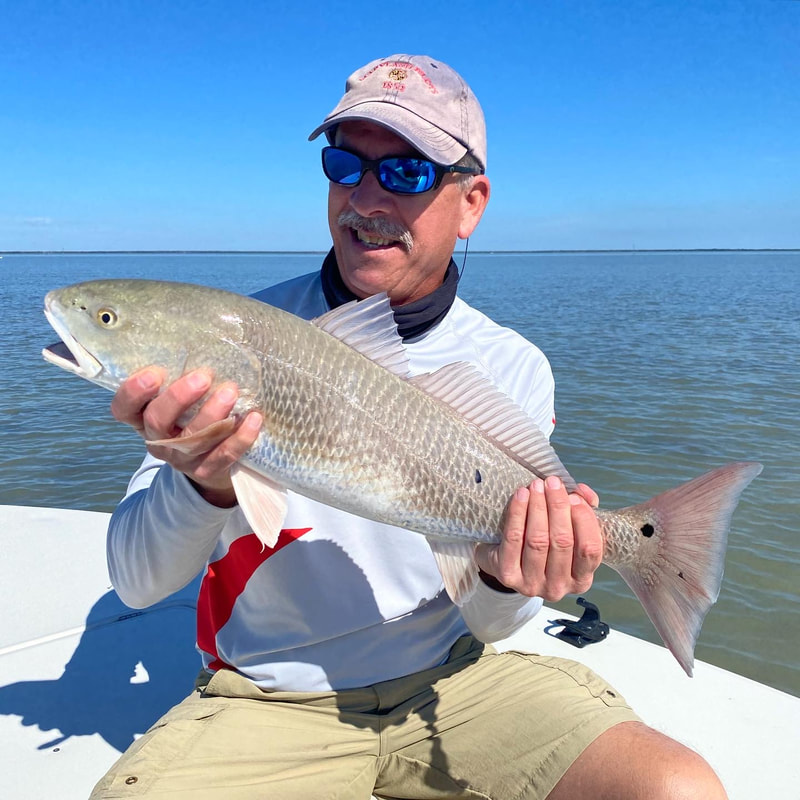
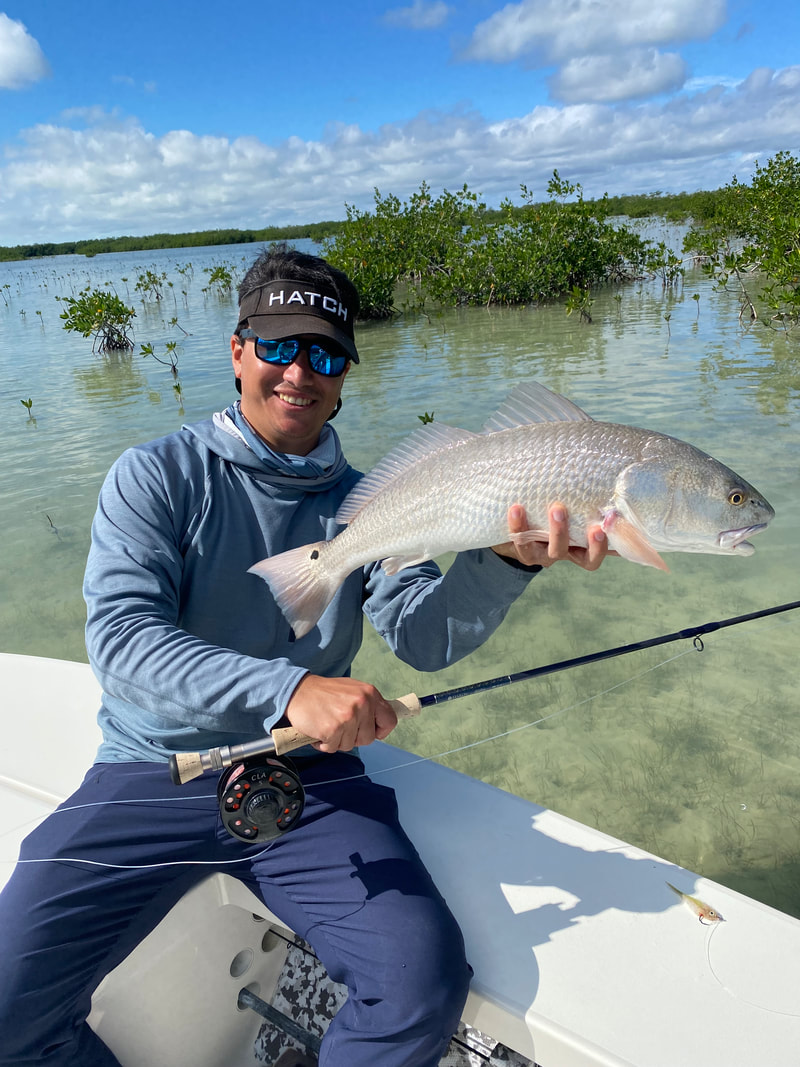
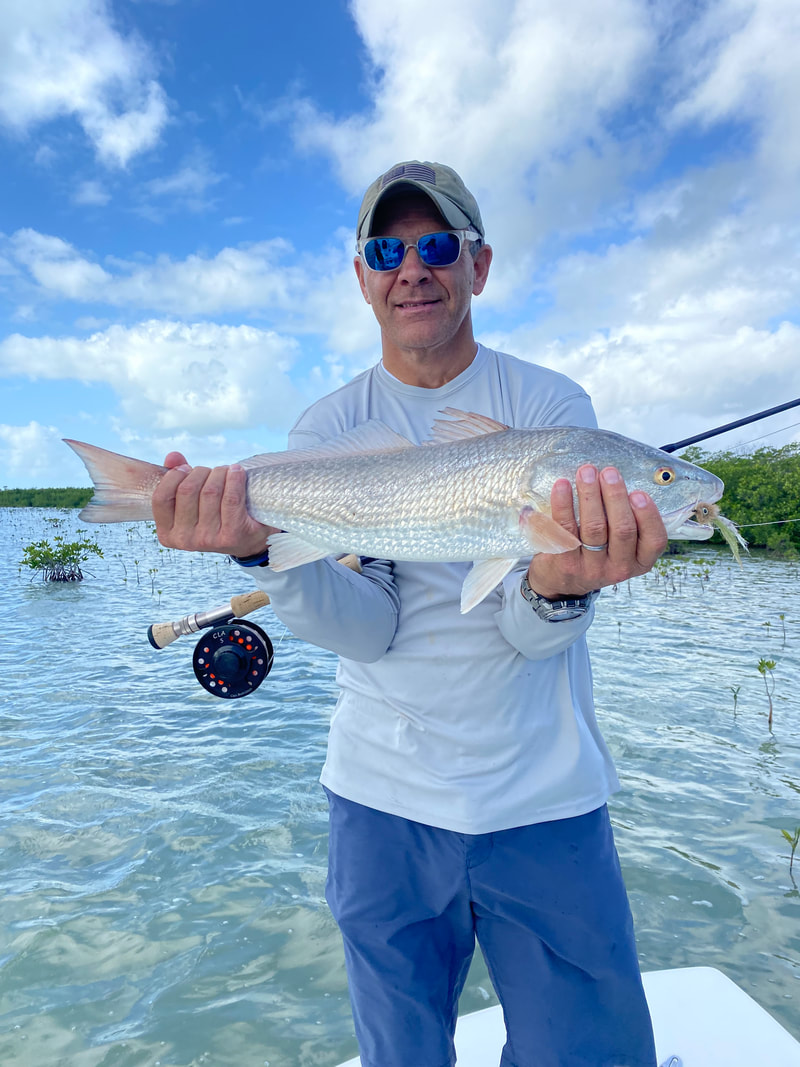
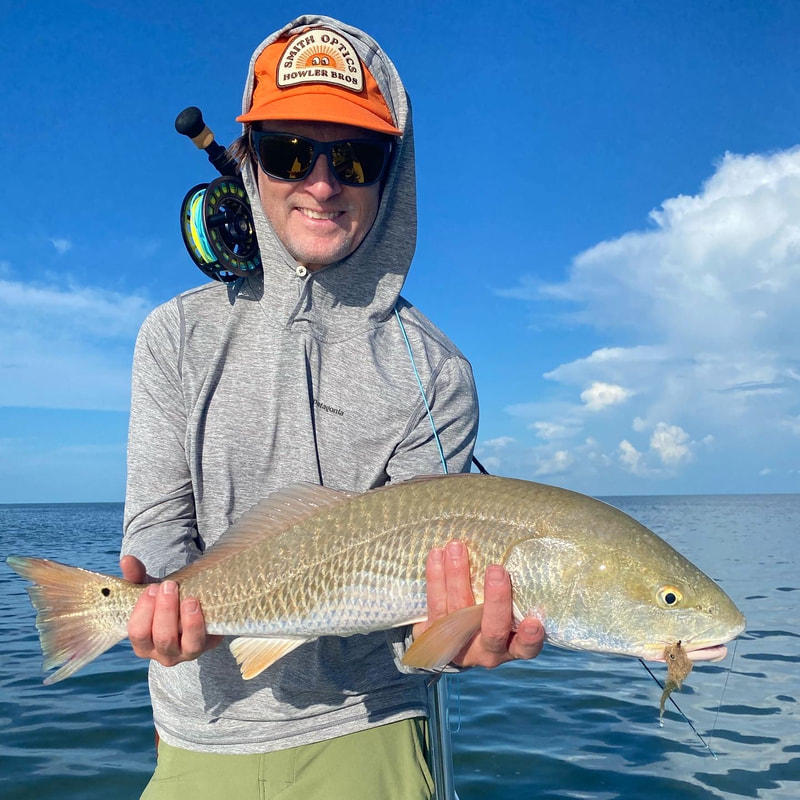
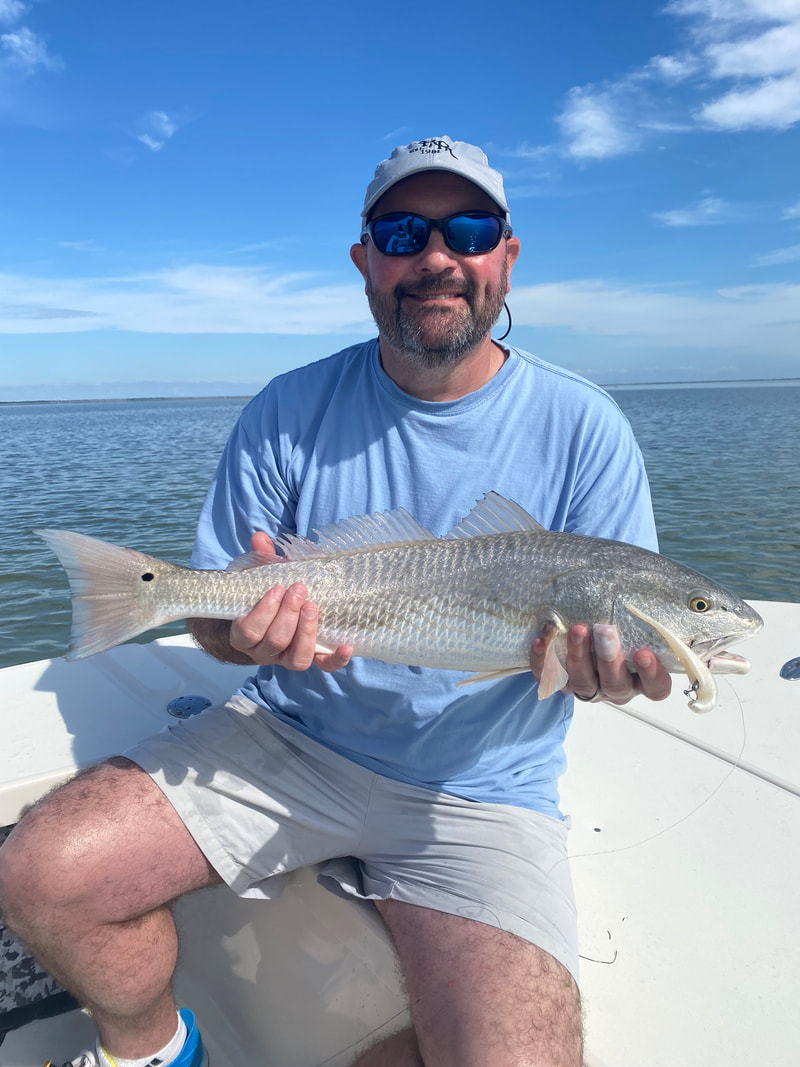
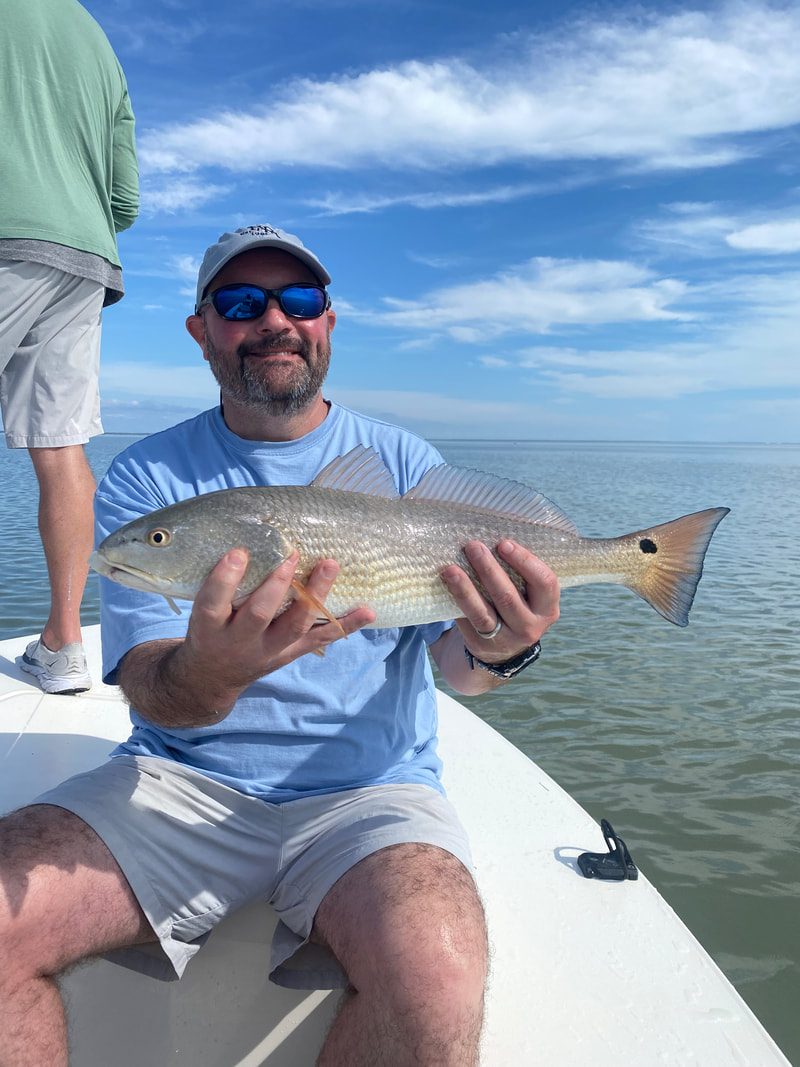
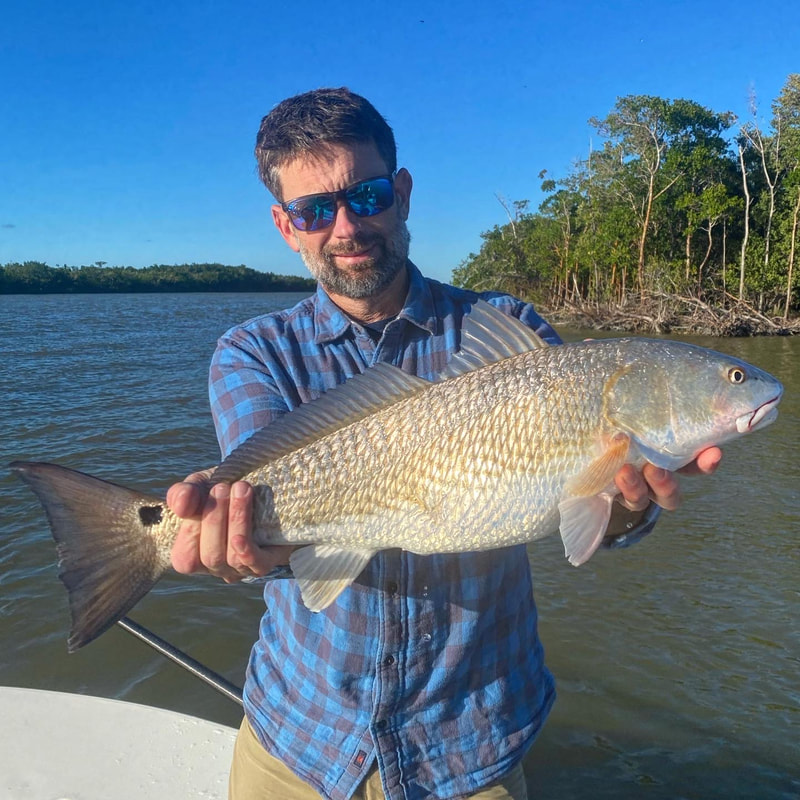
Fall redfish fishing in our area is absolutely phenomenal. As temperatures drop, these fish move into extremely shallow water to feed, often pushing wakes and tailing in water so skinny their backs are exposed. This creates some of the most exciting sight fishing opportunities available anywhere.

The Everglades backcountry becomes a redfish paradise during fall, with fish cruising the mangrove shorelines and grass flats in predictable patterns. Their aggressive feeding behavior makes them willing targets for both fly and conventional tackle.

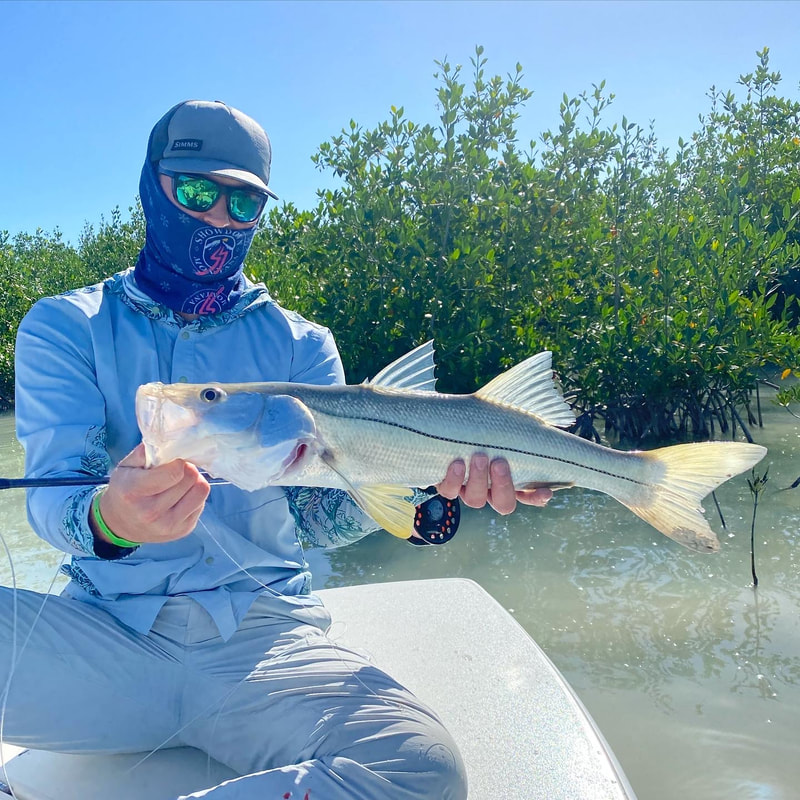
Snook: The Fall Feeding Frenzy
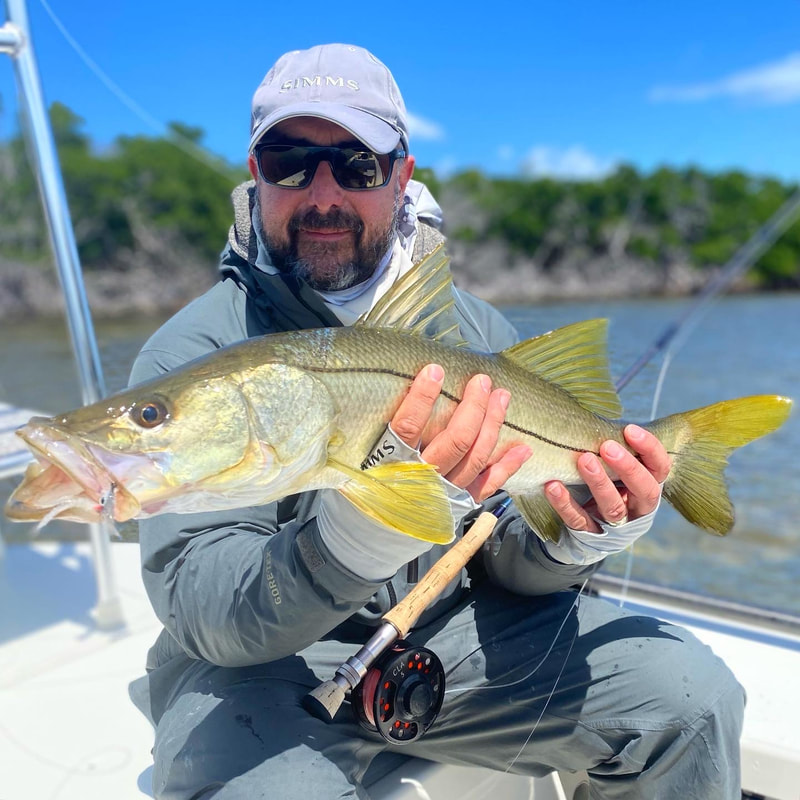
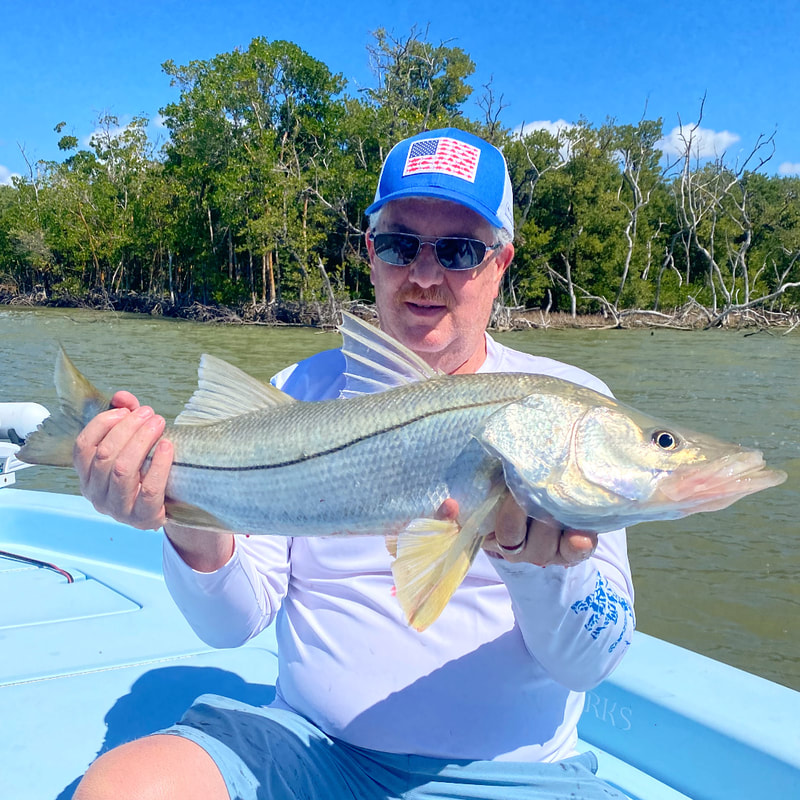
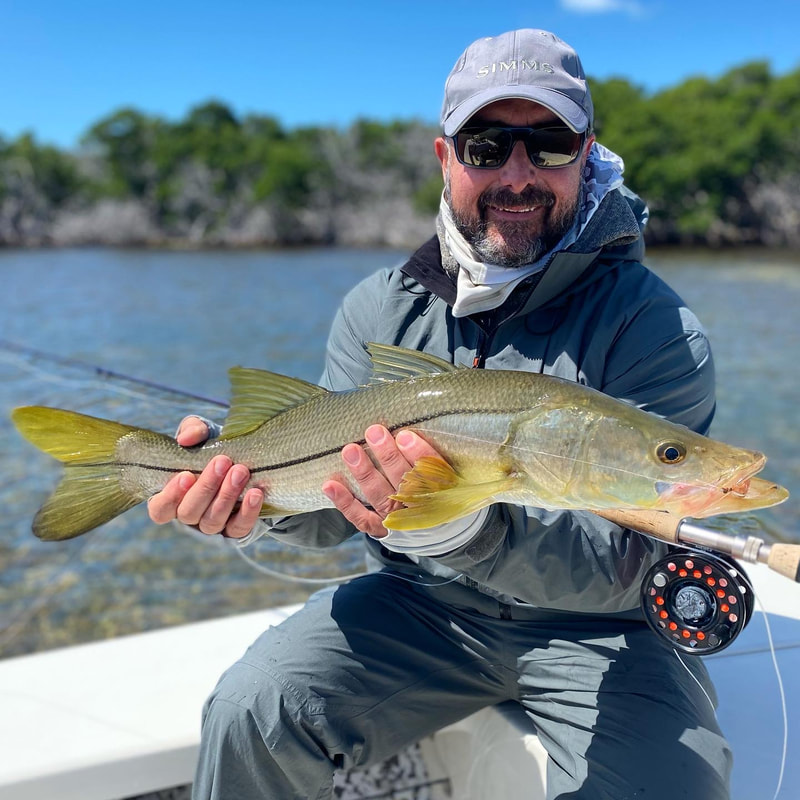
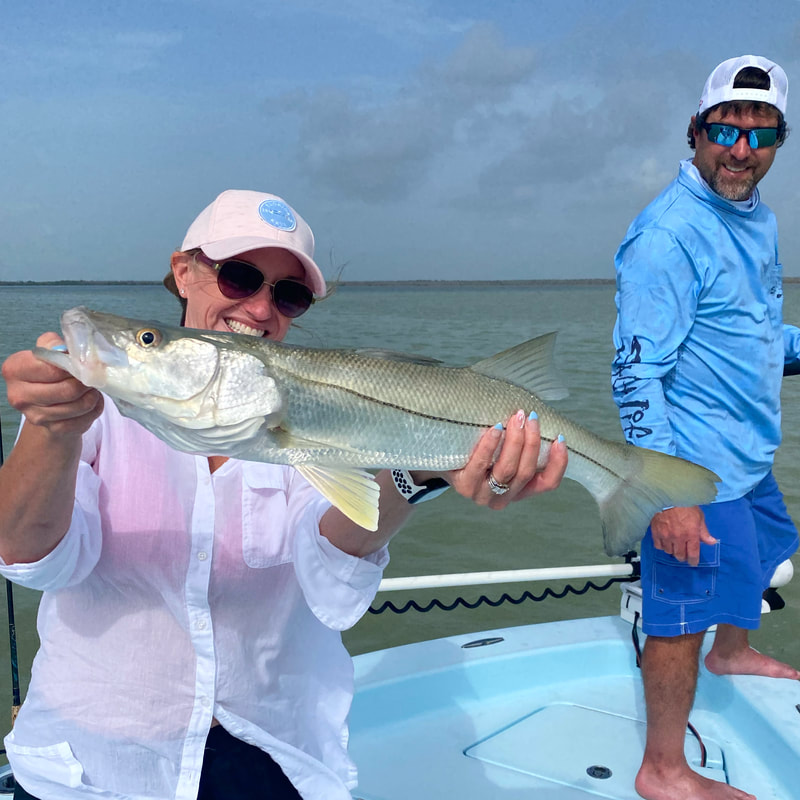
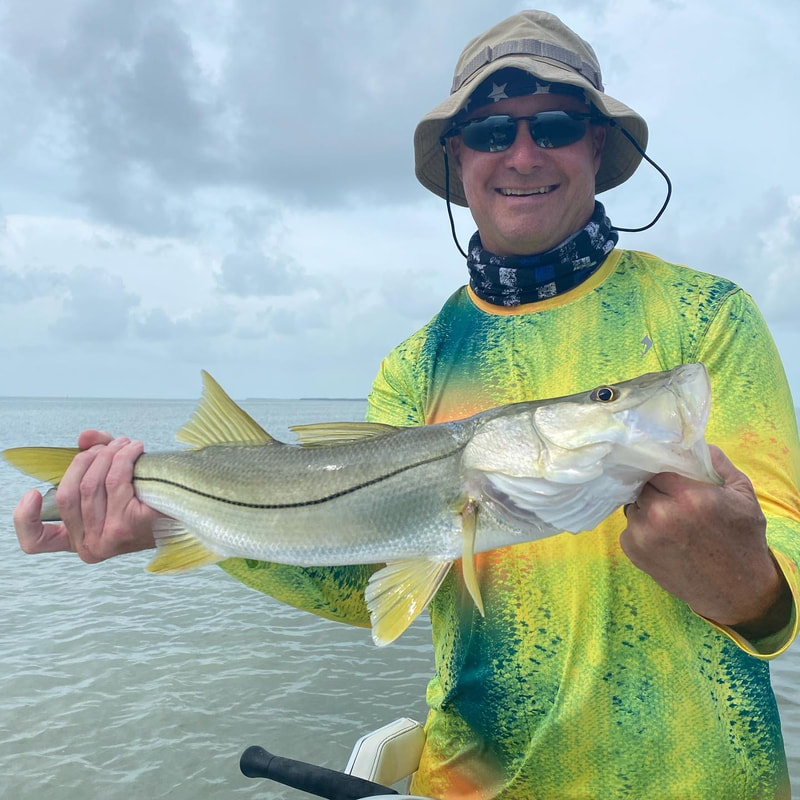
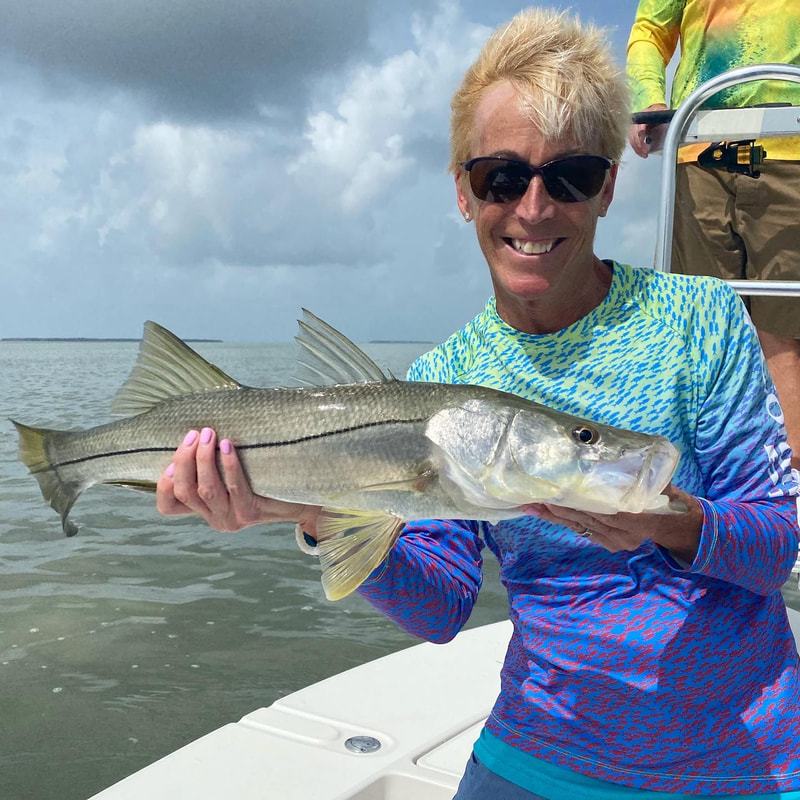
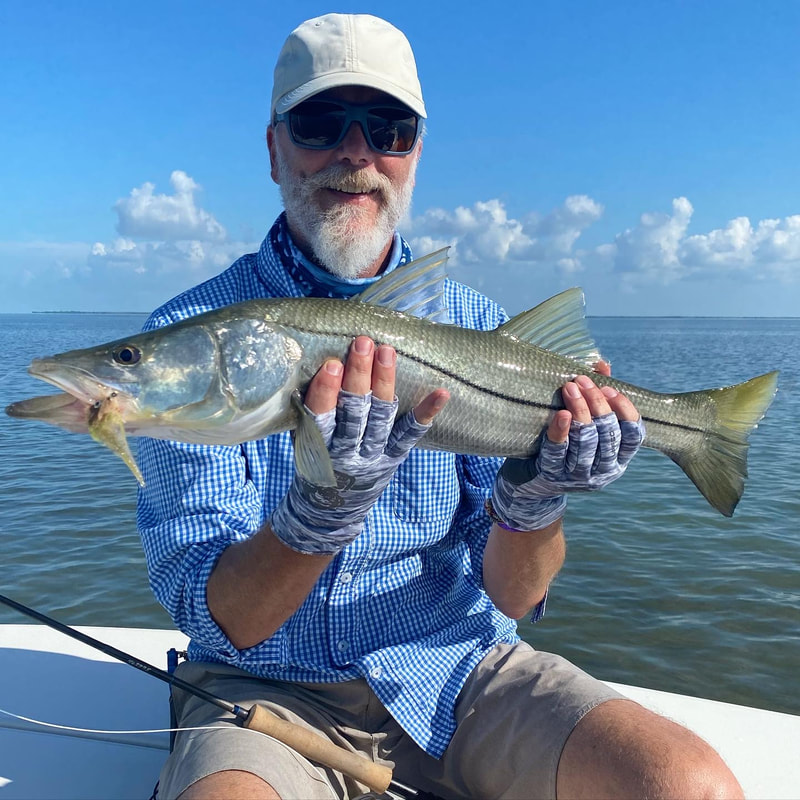
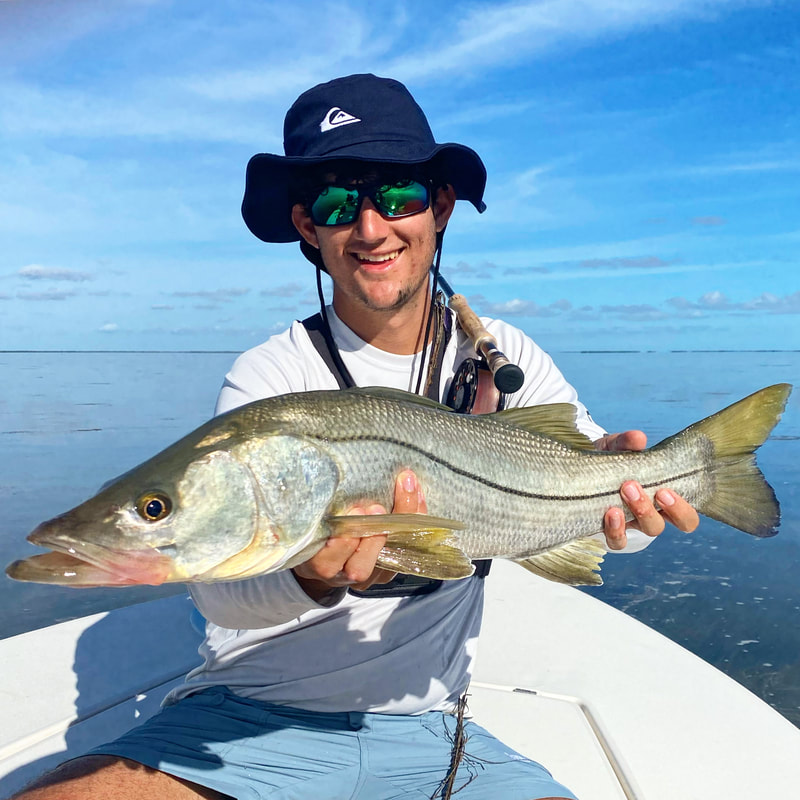
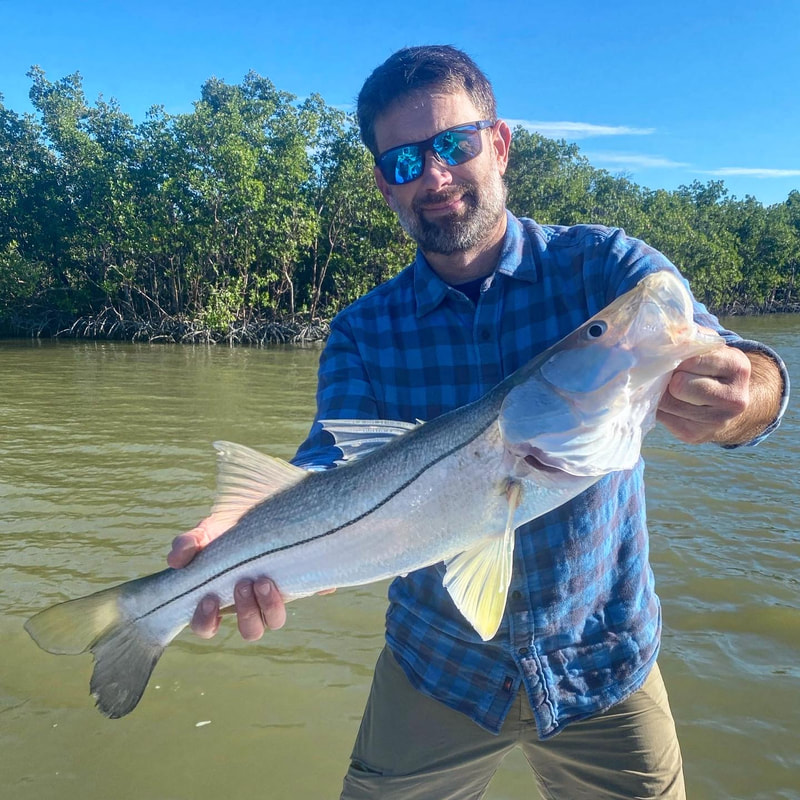
Snook fishing explodes during fall as these fish prepare for the cooler months ahead. They feed heavily on the abundant baitfish, becoming much more aggressive and less selective than during other seasons. The bridges and structures around Islamorada hold excellent populations of snook during fall, while the backcountry creeks and mangrove shorelines of Everglades National Park offer incredible sight fishing opportunities.

Weather Advantages: Why Fall Conditions Are Ideal

Predictable Wind Patterns
Summer's afternoon thunderstorms and unpredictable weather give way to much more stable conditions during fall. Wind speeds typically decrease and become more consistent, making it easier to plan fishing strategies and fish specific areas effectively. The reduced wind also improves water clarity, making sight fishing much more productive.

Comfortable Conditions for Anglers
Let's be honest—fishing in South Florida during summer can be brutal. Fall brings comfortable temperatures that allow anglers to fish all day without the exhaustion that comes with extreme heat. This means longer, more productive fishing days and better opportunities to target multiple species.

Extended Fishing Windows
During summer, the most productive fishing often occurs during the brief windows around dawn and dusk when temperatures are bearable. Fall extends these productive periods throughout much of the day, giving anglers more opportunities to encounter fish and perfect their techniques.

Islamorada: Accessibility Meets Productivity
The flats around Islamorada offer incredible diversity during fall. From the shallow turtle grass beds perfect for bonefish and permit to the deeper channels holding tarpon and snook, this area provides opportunities for all skill levels. The relatively easy access to productive water makes it perfect for anglers who want to maximize their time fishing rather than running to distant locations.

Everglades National Park: Wild Fish in Pristine Waters
The backcountry of Everglades National Park offers a completely different experience during fall. The fish here are typically less pressured and more aggressive, providing opportunities for truly wild fishing experiences. The vast network of creeks, bays, and flats means there's always productive water to explore, regardless of wind direction or tidal conditions.

Fly Selection for Fall Success
Fall fishing allows for a much wider variety of fly patterns than other seasons. Baitfish patterns become extremely effective as the natural forage moves through our waters. Small Clouser Minnows, Glass Minnows, and EP Baitfish patterns excel during this time. For bottom feeders like bonefish and permit, crab patterns in both light and dark colors produce consistently.

Timing Your Trips
While fall fishing is generally excellent throughout the season, certain conditions can make specific days exceptional. Mild cold fronts often trigger feeding frenzies as fish sense the approaching weather change. The days immediately following a front passage can also be outstanding as fish resume normal feeding patterns.

Equipment Considerations
Fall's more comfortable conditions allow for longer days on the water, making equipment comfort more important. Lighter clothing and increased sun protection become priorities. The more predictable wind conditions also allow for more effective use of lighter tackle, making the fishing experience more enjoyable and sporting.

When booking a fall charter in our area, flexibility is key to maximizing success. The variety of productive species and locations during this season means we can adapt to conditions and angler preferences to ensure the best possible experience.

What to Expect on a Fall Charter
Fall charters offer the best chance for multiple species encounters. It's not uncommon to have shots at bonefish, permit, tarpon, redfish, and snook all in a single day. The comfortable weather conditions mean we can fish longer and cover more water, increasing opportunities for both quantity and quality.

Fall fishing in Islamorada and Everglades National Park represents the pinnacle of what flats fishing can offer. The combination of optimal water temperatures, abundant forage, reduced pressure, and comfortable weather conditions creates opportunities that simply don't exist during other seasons.

Whether you're an experienced angler looking to complete a Grand Slam or a newcomer wanting to experience the thrill of sight fishing in pristine waters, fall provides the best possible platform for success. The memories created during these magical fall days on the flats will last a lifetime and keep you planning your return before you've even made it back to the dock.

If you're considering a flats fishing adventure in the Florida Keys, don't overlook the incredible opportunities that fall provides. The fish are there, the conditions are perfect, and the experiences are unforgettable.

0 Comments

Planning Your Peak Season Keys Adventure: Secure Your Summer-to-Fall Dates with Capt. Brett Greco

5/1/2025

0 Comments

 
Picture
There's something magical about the Florida Keys during the transition from summer into fall. While tourists begin to thin out, the fishing action only intensifies across the diverse fisheries spanning from Islamorada to Everglades National Park. For anglers looking to experience the quintessential Keys fishing adventure, this period offers some of the year's most productive opportunities.

Captain Brett Greco, a seasoned Florida Keys fishing charter captain, has spent decades mastering these waters through every seasonal shift. "Late summer into fall is when the Keys really shine for serious anglers," Captain Brett explains. "The water clarity improves, bait migrations intensify, and predator fish settle into predictable patterns that create exceptional sight fishing opportunities."

TARPON: BEYOND THE MIGRATION
While spring receives most of the tarpon attention, savvy anglers know that resident tarpon fishing actually improves as summer progresses. "Once the migratory push ends, our resident tarpon settle into their summer haunts around bridges, basins and channels," notes Captain Brett. "These fish typically range from 20-80 pounds and are often more willing to eat than their larger migratory cousins."

Fishing the early morning outgoing tides around bridge channels or the late afternoon feeding periods in backcountry basins produces consistent action. Whether you prefer fly fishing with Tarpon Toads or conventional tackle with live crabs, Captain Brett's Islamorada fishing charters put you on these silver kings when other anglers have abandoned the pursuit.

PERMIT: PRIME FLATS OPPORTUNITIES
Summer into fall represents the absolute peak for permit on the flats. As water temperatures stabilize and backcountry waters clear, these bronze fighters become more visible and active on shallow flats.

"September and October might be my favorite permit months," Captain Brett reveals. "The fish are less pressured, and we often find them tailing during prime tide phases. There's nothing more exciting than poling across a pristine flat and spotting those black sickle tails waving in the morning light."

Captain Brett's technical skiff allows access to the shallowest permit sanctuaries from Islamorada down through Everglades National Park, giving anglers shots at these coveted gamefish in their natural environment.

REDFISH & BONEFISH: CONSISTENT PLAYERS
The backcountry waters of Everglades National Park and the flats surrounding Islamorada offer outstanding opportunities for both redfish and bonefish during this seasonal transition.

"Redfish schools really concentrate as we move toward fall," Captain Brett explains. "We find them pushing water across shallow flats during higher tide stages, creating spectacular sight fishing scenarios."

Meanwhile, bonefish action remains consistent throughout these months, with fish often found in more predictable patterns than during the heat of summer. Captain Brett's years of experience allow him to target the right species at the right time based on conditions.

THE WEATHER ADVANTAGE
Perhaps the most underrated aspect of late summer into fall fishing is the improving weather patterns. "We typically see winds decrease and stabilize compared to spring," says Captain Brett. "This creates more fishable days and allows us to access areas that might be difficult earlier in the year."

The occasional cold front pushing through in early fall can trigger feeding frenzies across multiple species, creating some of the year's most productive fishing days.

BOOK YOUR FLORIDA KEYS FISHING ADVENTURE

Whether you're an experienced angler seeking a trophy permit on fly or a family looking to experience the thrill of hooking into your first tarpon, Captain Brett Greco's fishing charters deliver customized experiences throughout Islamorada and Everglades National Park.

As summer transitions to fall, prime dates fill quickly for this exceptional fishing window. Contact Captain Brett today to secure your opportunity to experience the Florida Keys' most productive season on the water.

0 Comments

Summer Tarpon Season in Islamorada: The Silver King's Playground

4/5/2025

0 Comments

 
Picture
As the spring crowds thin and temperatures rise across the Florida Keys, a special opportunity emerges for anglers seeking one of sportfishing's greatest challenges. While many believe tarpon season peaks in May and ends shortly after, those of us who live and breathe these waters know better. The summer months in Islamorada offer some of the year's most rewarding tarpon fishing for those willing to brave the heat.

I'm Captain Brett Greco, an Islamorada fly fishing guide who has dedicated countless summer mornings to pursuing the magnificent silver king. Let me share what makes summer tarpon fishing in Islamorada so special, and why booking a summer fishing charter might deliver the tarpon experience of a lifetime.

The Changing Summer Pattern

As June arrives and tourist traffic diminishes, a remarkable transformation occurs on our flats and channels. The large migratory schools that define spring tarpon season begin to break up, but they don't disappear. Instead, these magnificent fish spread throughout our waters in smaller groups and as singles, creating unique stalking opportunities for the dedicated angler.

Summer tarpon in Islamorada adopt more predictable daily patterns. They roll in deeper basins during midday heat, push onto the flats during comfortable mornings, and often feed more aggressively with less fishing pressure around them. For fly anglers especially, this behavioral shift creates perfect conditions for sight-casting to individual fish – the purest form of the sport.

The Advantages of Summer Tarpon Fishing

When you book a fishing charter in Islamorada during summer, you'll discover several advantages that spring anglers miss:
Reduced Boat Traffic: With fewer guides and recreational anglers on the water, prime tarpon areas receive significantly less pressure. This translates to fish that are less skittish and more willing to eat a well-presented fly.
Predictable Weather Patterns: While afternoon thunderstorms are common, summer mornings typically offer the glassy calm conditions that make spotting rolling tarpon and tracking their movements infinitely easier.
Resident Fish Behavior: Summer brings out what many fly fishing guides consider "happy tarpon" – fish that have settled into their resident patterns and feed more consistently than during the chaotic migratory period.
More Time on Productive Water: With less competition for prime spots, we can often spend more time fishing and less time jockeying for position or waiting for shots at fish.

The Summer Approach

As your fly fishing guide in Islamorada, I adapt techniques specifically for summer conditions. Early departures are essential, allowing us to be in position as the first light reveals tarpon rolling or pushing water. We'll often begin in deeper basins where tarpon gather overnight, then follow them as they push toward the flats as the sun rises.

During summer, I emphasize stealth and precision over covering vast distances. We might spend considerable time poling silently along mangrove shorelines or setting up on known travel routes, waiting for the perfect shot at a cruising fish. The payoff – watching a 100-pound tarpon track and demolish your carefully presented fly – makes every minute of patience worthwhile.

In terms of fly selection, summer often calls for slightly different patterns than the height of migration. Smaller baitfish patterns, shrimp imitations, and even crab flies become increasingly effective as tarpon transition to more opportunistic feeding behavior.

What to Expect on Your Summer Tarpon Charter

When you book a summer tarpon fishing charter with me in Islamorada, prepare for an intimate, technical experience that true anglers cherish. We'll depart early – often before sunrise – to maximize our opportunities during the coolest, calmest hours.

The fishing itself demands focus and precision. Summer tarpon have seen plenty of flies by July and August, making presentation and stealth paramount. We might make fewer casts than during migration, but each one carries greater potential as we target fish that are actively feeding rather than merely traveling.

The rewards, however, are extraordinary. Summer offers more opportunities for extended battles with fewer boats around to complicate the fight. The chance to battle a silver king in relative solitude, with just your fly fishing guide and the stunning backdrop of the Florida Keys, creates fishing memories that last a lifetime.

Preparing for Summer Success

If you're considering a summer tarpon fishing charter in Islamorada, here are a few tips to maximize your experience:
  1. Book Early Departures: The best action typically occurs from first light until mid-morning.
  2. Dress Appropriately: Lightweight, breathable clothing with excellent sun protection is essential. The summer sun in the Keys is unforgiving.
  3. Stay Hydrated: Bring plenty of water and electrolyte drinks. Summer heat combined with the adrenaline of tarpon fishing demands proper hydration.
  4. Practice Your Cast: Quick, accurate casts of 40-60 feet are more valuable than being able to bomb long distances.
  5. Trust Your Guide: As an experienced fly fishing guide in Islamorada, I'll put you in position for success. Sometimes this means waiting patiently for the right opportunity rather than constant casting.

While spring may get all the headlines, summer represents the insider's season for tarpon in the Florida Keys. As the crowds diminish and the fish settle into their summer patterns, magical opportunities emerge for anglers seeking a more personal connection with the silver king.

If you're ready to experience the thrill of summer tarpon on fly in one of sportfishing's most legendary destinations, I invite you to join me for a day on the water. As your fly fishing guide in Islamorada, I'll work tirelessly to put you on fish and create the tarpon experience you've always dreamed about.

Contact Captain Brett Greco to book your summer tarpon fishing charter and discover why the warmest months often deliver the hottest action with the silver kings of Islamorada.

0 Comments

Spring Fly Fishing for Bonefish and Permit in Islamorada: The Ultimate Florida Keys Flats Experience

3/17/2025

0 Comments

 
Picture
As winter releases its grip and the warm spring breezes begin to sweep across the Florida Keys, Islamorada transforms into a fly angler's paradise. For those seeking the ultimate shallow water challenge, the period from March through May represents prime time for targeting two of flats fishing's most coveted species: bonefish and permit. As a veteran Islamorada fishing guide, I've witnessed countless anglers experience the thrill of connecting with these legendary gamefish during the magical spring months.

The Spring Advantage: Why March-May Offers Prime Fly Fishing ConditionsThe spring season in Islamorada delivers the perfect combination of factors that create exceptional flats fishing opportunities. Water temperatures stabilize in the ideal 72-78°F range, triggering increased activity from both bonefish and permit. The notorious winter cold fronts become less frequent and less severe, providing more consistent fishing conditions day-to-day.

March typically kicks off the prime season, with warming trends establishing predictable fish behavior. By April, we're often experiencing the year's most stable weather patterns, with moderate winds and clear skies that create ideal sight-fishing scenarios. May brings slightly warmer water temperatures that can concentrate fish on specific flats and channel edges where cooler water flows.

The spring months also coincide with important biological cycles. Permit begin their spawning activities, often gathering in larger numbers around specific areas. Bonefish become more aggressive in their feeding patterns as metabolisms increase with warming waters. This combination of environmental factors and biological imperatives creates a perfect storm of opportunity for the skilled fly angler.

Islamorada Bonefish: The Gray Ghost of the FlatsFew fishing experiences compare to watching a tailing bonefish working a shallow flat, presenting a fly with precision, and witnessing that electric moment when the fish turns and pounces on your offering. Islamorada's bonefish population remains healthy and offers exceptional opportunities throughout the spring months.

Islamorada bonefish typically range from 4-8 pounds, with specimens exceeding 10 pounds encountered regularly by anglers who put in their time. These aren't the smaller bonefish found in some other destinations – Florida Keys bonefish have earned their reputation for both size and challenging behavior.

During spring, we target bonefish across various habitats. In March and early April, focusing on darker bottom flats that warm quickly often produces results, particularly during afternoon falling tides. As we move further into April and May, the classic marl and turtle grass flats become increasingly productive, especially during lower tide phases when fish are more concentrated and visible.

The spring season also sees bonefish becoming more willing to venture onto extremely shallow flats, sometimes in mere inches of water. These skinny water scenarios create heart-stopping sight fishing opportunities as bonefish tails and dorsal fins slice through the surface. The clear spring skies and moderate winds improve visibility, allowing for longer, more accurate casts to these wary targets.

The Permit Challenge: Islamorada's Ultimate Fly Fishing TrophyWhile bonefish represent a significant challenge, permit elevate the game to an entirely different level. These discerning, powerful fish have humbled countless anglers, but spring in Islamorada offers your best shot at success.

The permit's seasonal patterns in the Florida Keys make March through May perhaps the single best time to target them on fly. As water temperatures reach the low-to-mid 70s, permit begin their spawning rituals, often gathering in impressive numbers around specific channels, basins, and outer flats. While actual spawning occurs in deeper water, pre- and post-spawn fish frequently venture onto the flats where they become accessible to fly anglers.

During spring, we find permit in several distinct habitats. The oceanside flats of Islamorada can be particularly productive when incoming tides bring clean, clear water from the Atlantic. These ocean-facing flats often feature mixed bottom compositions with short turtle grass, scattered coral rubble, and sandy patches – prime permit territory.

Channel edges where deeper water meets the flats create another prime opportunity, particularly during the first few hours of a falling tide when permit stage along these drops. Finally, the classic basin flats of the backcountry can hold impressive numbers of permit, especially when water quality and temperatures are optimal.

What makes permit such a challenge – and such a rewarding target – is their cautious nature and selective feeding. Even when you've done everything right – located fish, made the perfect presentation, and chosen the right fly – permit may still reject your offering for reasons known only to them. This selective behavior, combined with their powerful runs and dogged fighting ability, makes landing a permit on fly one of angling's greatest achievements.

Fly Selection: Matching the Hatch for Keys Bonefish and Permit


Success when targeting these species on fly requires attention to detail, with fly selection representing a critical component. For Islamorada bonefish during spring months, my fly box contains:
  1. Gotcha: This classic bonefish pattern in sizes 4-6 remains my go-to fly in a variety of color combinations. The original pink/white version is essential, but tan/white and cream/tan variations also produce consistently.
  2. Mantis Shrimp Patterns: As spring progresses, mantis shrimp become more active and represent a significant food source. Flies that mimic their distinct profile and coloration can be devastatingly effective, particularly for larger bonefish.
  3. Spawning Shrimp: These patterns with pearl or UV flash elements suggest a mating shrimp, triggering aggressive responses from bonefish. Most productive during the strong spring tides of March and April.
  4. Bonefish Scampi: When fishing deeper flats or channel edges, this slightly heavier pattern gets down quickly and creates an enticing profile against lighter bottom.
For permit, the fly selection narrows significantly. While these fish feed on various crustaceans and small baitfish, when fly fishing, crab patterns dominate my selection:
  1. Merkin Crab: This venerable permit fly remains effective decades after its creation. In sizes 2-4 with various weight options to match water depth.
  2. Bauer Crab: My personal favorite during spring, particularly the lighter tan and olive variations that suggest the small crabs permit target on the flats.
  3. EP Spawning Crab: During peak permit spawning activity in April and May, these patterns with slight orange or pink highlights can trigger competitive feeding responses.
  4. Flexo Crab: For deeper presentations or windier conditions, this compact, heavy pattern drops quickly into the strike zone and maintains a realistic profile.
The presentation matters as much as pattern selection. For bonefish, I typically instruct anglers to land their fly with a slight plop about 1-2 feet in front of the fish's path, then execute a slow, deliberate strip to suggest a fleeing prey item. For permit, the strategy changes to a softer presentation with the fly landing beyond the fish, then a series of short, measured strips that mimic a crab's defensive movements across the bottom.

Conservation Considerations on the Flats

As we enjoy the world-class fishery that Islamorada offers, it's crucial to approach these fragile ecosystems and pressured fish populations with conservation in mind. Both bonefish and permit are catch-and-release species in Florida, and proper handling techniques ensure these fish continue to thrive.

When releasing bonefish or permit, minimize air exposure, keep the fish horizontal when removing the hook, and allow sufficient revival time before release. During the warmer spring months, elevated water temperatures can increase stress on caught fish, making proper handling even more important.

Respectful flats etiquette also preserves the quality of fishing for everyone. This means poling rather than motoring across shallow flats, giving space to other anglers working a productive area, and taking care not to create unnecessary wakes that disturb shallow water environments.

Booking Your Spring Islamorada Fly Fishing Adventure

The prime spring months of March through May represent the pinnacle of flats fishing in Islamorada, with both bonefish and permit opportunities at their peak. For visiting anglers, securing your dates well in advance is essential, as this period represents the most in-demand time on many guides' calendars.

A full-day charter offers the best opportunity to encounter both species, allowing time to change locations and tactics as conditions evolve throughout the day. The most productive periods often coincide with prime tidal movements, which vary throughout the spring months. An experienced guide can align your fishing days with optimal tide and weather patterns to maximize success.

Whether you're a seasoned flats veteran or looking to experience the thrill of sight fishing for these legendary species for the first time, Islamorada in spring delivers unparalleled opportunities. The combination of improving weather, optimal water conditions, and heightened fish activity creates the perfect scenario for unforgettable days on the water.

Ready to experience the ultimate spring flats fishing adventure in the Florida Keys? Contact Captain Brett Greco to secure your dates for the coming season and chase your bonefish and permit dreams on the legendary flats of Islamorada.

0 Comments

Spring Fly Fishing in Islamorada: Prime Time for Bonefish, Permit and Migrating Tarpon

3/6/2025

0 Comments

 
Picture
The spring months of March through May mark the most anticipated season for fly fishing enthusiasts in Islamorada, often called the "Sportfishing Capital of the World." As an Islamorada fly fishing guide with years of experience poling these pristine flats, I've witnessed firsthand how these months transform our waters into a fly angler's paradise. Water temperatures stabilize into the ideal range of 75-85°F, creating perfect conditions for the legendary "big three" species that draw anglers from around the globe to book Islamorada fishing charters.

March begins with bonefish becoming increasingly active on the flats as water temperatures rise. These "gray ghosts" venture onto shallow flats in greater numbers, tailing and creating those distinctive mud plumes that signal their feeding activity. During this time, my fly fishing charters often encounter larger schools on the ocean-side flats during incoming tides, where precise presentations with small shrimp patterns or Gotchas in sizes 4-6 can result in multiple hookups. The afternoon falling tides concentrate bonefish along deeper edges where they're more likely to aggressively take well-placed flies.

By April, permit fishing reaches its pinnacle as pre-spawn fish gather in impressive numbers. These notoriously selective gamefish cruise the flats in pairs and small groups, often following stingrays in search of crabs disturbed by the rays' movement. When guiding fly fishing clients during this prime permit season, I position the skiff to intercept these cruising fish, allowing for the precise 60-foot casts required for success. Crab patterns like Merkin variations and EP crabs in sizes 2-4 become essential flies for Islamorada permit. The permit's lightning-fast runs and dogged fights make them the ultimate fly fishing trophy, and April through May offers the year's best opportunity to connect with these challenging adversaries that define Florida Keys flats fishing.

May heralds the arrival of the legendary tarpon migration, transforming the Islamorada backcountry and oceanside flats into a silver-scaled spectacle. These prehistoric giants, often weighing 80-150 pounds, move through our waters in impressive numbers, creating world-class sight fishing opportunities. As your fly fishing guide, I'll position the skiff along known migration routes during the early morning and late afternoon hours when tarpon are most active and visible. Successful tarpon fly patterns during this season include Tarpon Toads, Black Deaths, and Purple Bunnies in sizes 1/0-3/0. When a 100-pound tarpon engulfs your fly and launches skyward in a series of spectacular jumps, you'll understand why anglers book Islamorada fishing charters years in advance to experience the spring tarpon migration.

The true magic of spring fly fishing in Islamorada is the possibility of achieving a "grand slam" – landing a bonefish, permit, and tarpon all in a single day. While challenging, these slam opportunities are most realistic during spring when all three species are present and active in our waters. As a dedicated Florida Keys fly fishing guide, I customize each charter to match angler skill levels and target species preferences, while constantly adapting to changing tidal and weather conditions.

Whether you're a seasoned fly angler or looking to experience the thrill of saltwater fly fishing for the first time, the spring months in Islamorada offer unparalleled opportunities to connect with some of the most challenging and rewarding gamefish on the planet. Book your spring Islamorada fly fishing charter now to secure prime dates during this exceptional season.

Capt. Brett Greco
Islamorada Fishing Charters
0 Comments

Chasing Silver: The Ultimate Islamorada Flats Fishing Experience with Captain Brett Greco

2/14/2025

0 Comments

 
Picture
Step onto the pristine flats of Islamorada with Captain Brett Greco, where world-class fly fishing meets decades of local expertise. Known as the Sport Fishing Capital of the World, Islamorada's crystal-clear waters offer anglers the coveted "Grand Slam" opportunity - targeting bonefish, permit, and tarpon.

Captain Brett's intimate knowledge of the Florida Keys' backcountry sets him apart from other guides. Having spent countless hours studying the tides, weather patterns, and fish behavior in these waters, he knows exactly where to find these elusive species throughout the seasons. Whether you're stalking tailing bonefish in skinny water, presenting flies to suspicious permit, or watching a silver king launch into the air, Brett's patient instruction and skilled positioning of the skiff maximize your chances of success.

The fishing experience begins at dawn, as you pole across gin-clear flats in search of your target species. Bonefish, often called "grey ghosts," cruise the shallows in search of crabs and shrimp. These lightning-fast fish require precise presentations and expert guidance - skills Captain Brett has mastered through years of guiding anglers of all experience levels. His ability to spot fish and clearly communicate their location to clients has earned him a reputation as one of Islamorada's most respected guides.

Permit present the ultimate challenge in flats fishing, and Captain Brett specializes in putting anglers in position to catch these notoriously selective fish. His understanding of permit behavior and feeding patterns has resulted in numerous anglers catching their first permit on fly. Meanwhile, the legendary tarpon of the Florida Keys draw fly fishermen from around the globe, and Brett's experience with these magnificent gamefish ensures you'll have the best possible shot at landing the silver king of your dreams.

Beyond technical expertise, Captain Brett creates a relaxed, educational atmosphere on his skiff. Whether you're a seasoned angler or picking up a fly rod for the first time, his patient instruction and encouraging demeanor help you improve your skills while enjoying a memorable day on the water. His modern, fully-equipped flats skiff provides a stable, comfortable platform for sight fishing, complete with top-quality gear suited for targeting all three species.

Don't miss the opportunity to experience the legendary flats fishing of Islamorada with one of its most accomplished guides. Book your trip with Captain Brett Greco today and discover why anglers return year after year to chase their fishing dreams in the sport fishing capital of the world.

0 Comments

Tarpon Fishing in Islamorada: Your Guide to Landing the Silver King on Fly

2/8/2025

0 Comments

 
Picture
Islamorada tarpon fishing stands as the pinnacle of flats fishing in the Florida Keys. Each spring, massive schools of tarpon migrate through the crystal waters of the Upper Keys, creating world-class fishing opportunities for anglers seeking their trophy catch. As a dedicated Islamorada fishing guide, I've spent countless dawns watching these magnificent gamefish roll across our pristine flats and channels.
The legendary tarpon fishing Islamorada offers attracts fly anglers from around the globe. From March through July, our waters come alive with silver kings ranging from 60 to 150 pounds. Whether we're hunting laid-up fish in the backcountry or intercepting ocean-side migrants, Islamorada tarpon fishing provides heart-stopping action as these prehistoric predators cruise within casting range of our skiff.
Florida Keys tarpon fishing requires specialized techniques, and as your Islamorada fishing charter captain, I'll help you master the skills needed for success. The Upper Keys tarpon fishery demands precision casting and proper presentation - skills I've refined through years of guiding in these waters. We'll target rolling tarpon with proven fly patterns, focusing on the prime feeding periods that make Islamorada the Sportfishing Capital of the World.
Tarpon season in Islamorada peaks during spring and early summer when crystal clear conditions make sight fishing most productive. Our Islamorada fishing charters focus on early morning and evening hours, capitalizing on optimal light and tidal movements that trigger aggressive feeding behavior. From oceanside flats to protected backcountry waters, we'll find the most active fish based on conditions and seasonal patterns.
As an experienced Islamorada tarpon guide, I invite you to experience the ultimate challenge in flats fishing. Book your spring tarpon fishing charter in Islamorada today and prepare for the fight of a lifetime against the legendary silver king. Prime dates during peak tarpon season fill quickly, so contact me to secure your spot and join the ranks of anglers who've discovered why Islamorada tarpon fishing creates memories that last a lifetime.

0 Comments

December Fishing Report: Florida Keys & South Florida Waters

12/5/2024

0 Comments

 
The holiday season brings some of the year's best fishing opportunities to the Florida Keys. As winter settles in across the country, our waters come alive with exceptional sight fishing for the coveted shallow water species that make this region famous.

Biscayne Bay to Key Largo offers prime conditions for bonefish, with clear waters and optimal temperatures creating perfect stalking conditions. These "grey ghosts" are actively feeding on the flats, providing some of the year's most exciting sight fishing opportunities.

In Florida Bay and throughout Everglades National Park, anglers are finding consistent action with snook, redfish, and juvenile tarpon. These protected waters serve as essential winter feeding grounds, concentrating gamefish in predictable areas.

With daytime temperatures hovering in the low 70s and crystal-clear blue skies, December's weather creates ideal fishing conditions. Whether you're poling across a pristine flat or working mangrove shorelines, the mild climate makes for comfortable days on the water.

For those looking to escape the northern chill, the Florida Keys offer the perfect December fishing destination. The combination of cooperative weather, abundant targets, and stunning scenery creates an unmatched winter angling experience.

Capt. Brett Greco
0 Comments

Biscayne Bay, Florida Bay, and the Florida Keys Fishing Report

10/6/2024

0 Comments

 
Come enjoy one of the most beautiful and diverse fisheries in the world right here in South Florida! Tarpon, bonefish, permit, snook, and redfish are all target species here in the waters of Biscayne Bay, Florida Bay, and the Florida Keys.
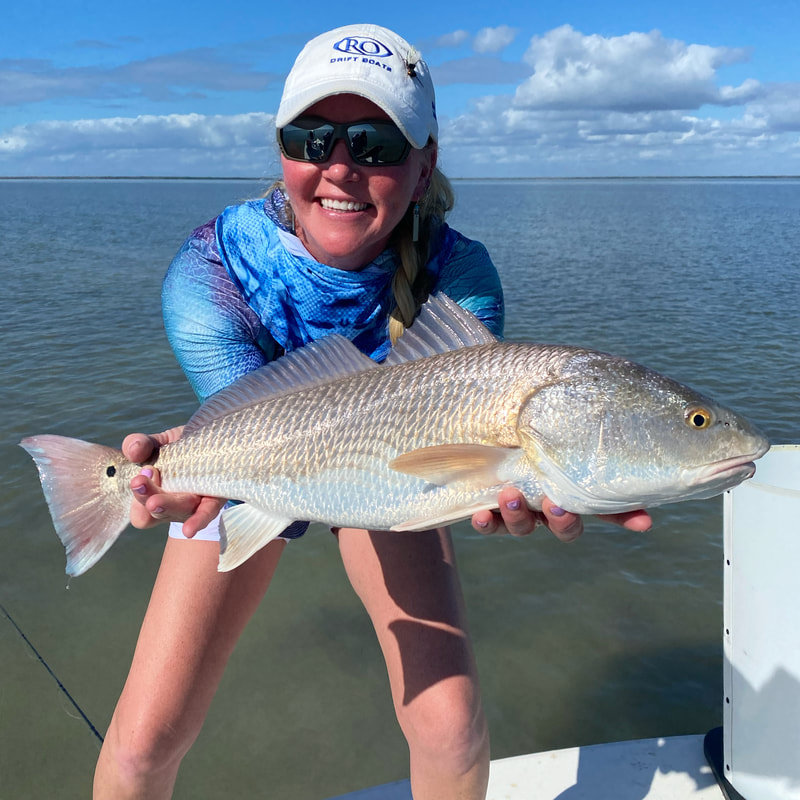
With twenty years of fishing experience in the area Capt. Brett Greco will show you an amazing experience full of drag screaming fish! We are currently beginning to book for the 2025 season and still have some prime time dates available. 
0 Comments

Booking Winter 2024 & Spring 2025

9/15/2024

0 Comments

 
Picture
Winter is a fantastic time to visit the Florida Keys, and I’m now booking trips for Winter 2024 into Spring 2025! With mild temps in the 70s and sunny skies, it’s the perfect escape for targeting incredible flats species like bonefish, permit, tarpon, snook, and redfish.

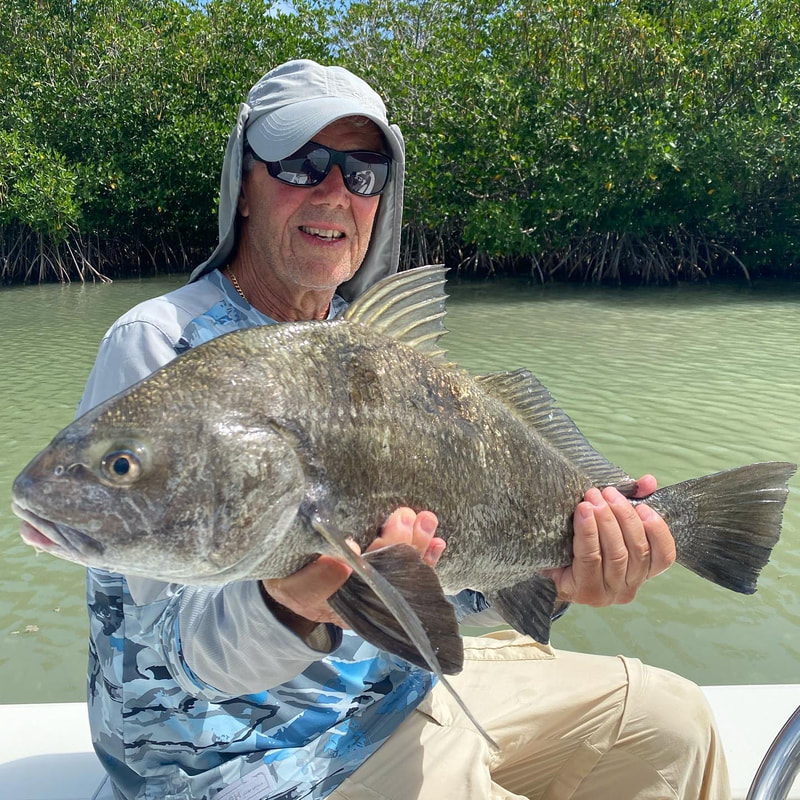
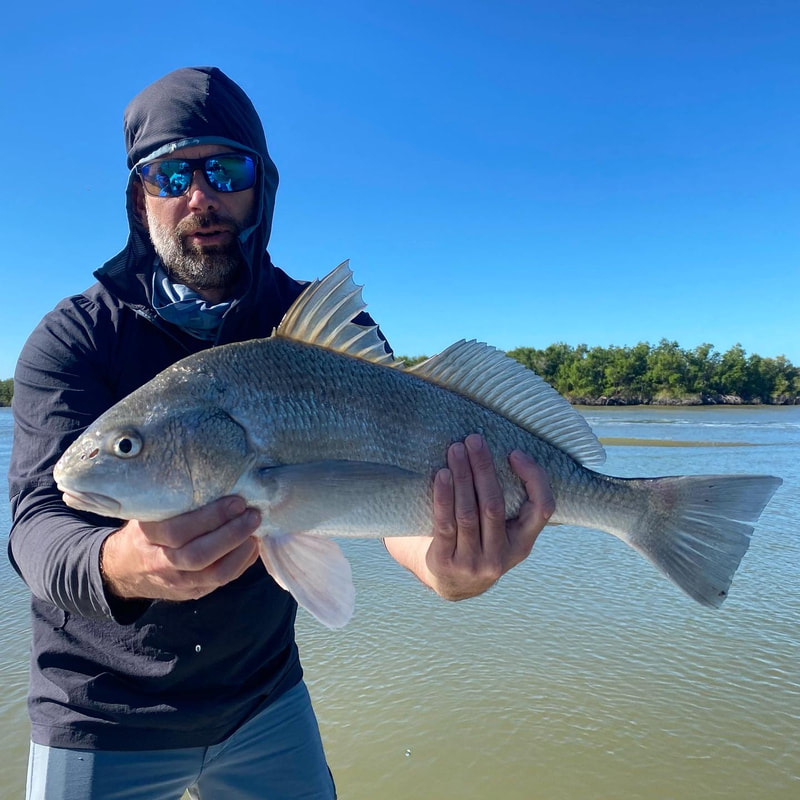
In Everglades National Park, the winter season brings great action for snook, redfish, and black drum, while Biscayne Bay and Key Largo offer fantastic bonefish fishing on sunny days.
0 Comments
<<Previous
Forward>>

    CAPT. BRETT

    Check back for the latest fishing report by Capt. Brett Greco.

    ARCHIVES

    June 2025
    May 2025
    April 2025
    March 2025
    February 2025
    December 2024
    October 2024
    September 2024
    April 2024
    March 2024
    January 2024
    October 2023
    August 2023
    May 2023
    April 2023
    March 2023
    February 2023
    January 2023
    December 2022
    November 2022
    September 2022
    April 2022
    March 2022
    February 2022
    January 2022
    August 2021
    July 2021
    March 2021
    February 2021
    January 2021
    December 2020
    October 2020
    September 2020
    August 2020
    July 2020
    June 2020
    March 2020
    February 2020
    January 2020
    December 2019
    November 2019
    September 2019
    August 2019
    July 2019
    May 2019
    April 2019
    January 2019
    December 2018
    November 2018
    October 2018
    September 2018
    August 2018
    July 2018
    June 2018
    May 2018
    April 2018
    March 2018
    February 2018
    January 2018
    December 2017
    November 2017
    October 2017
    September 2017
    August 2017
    July 2017
    June 2017
    May 2017
    April 2017
    March 2017
    February 2017
    January 2017
    December 2016
    September 2016

    TAGS

    All
    Biscayne Bay Fishing Charters
    Everglades Fishing Charters
    Everglades National Park Fishing
    Florida Bay Fly Fishing
    Florida Keys Fishing Charters
    Florida Keys Fly Fishing
    Florida Keys Offshore Fishing
    Florida Keys Permit On Fly
    Florida Keys Tarpon
    Fly Fishing Guide Islamorada
    Fly Fishing Tarpon Islamorada
    Inshore Fishing Florida Keys
    Islamorada Backcountry Fishing
    Islamorada Charter Guide
    Islamorada Fishing Charters
    Islamorada Fly Fishing
    Islamorada Inshore Fishing
    Key Largo Fly Fishing
    Key Largo Inshore Fishing
    Madison River Fly Fishing
    Missouri River Fly Fishing
    Montana Fly Fishing
    Offshore Fishing Islamorada
    Permit Fishing Islamorada
    Tarpon Season Florida Keys
    Yellowstone River Fly Fishing

    RSS Feed

Picture
HOME | ABOUT | RATES | PHOTOS
FISHING REPORTS | CONTACT

Picture
© 2021 Grecos on the Fly | All Rights Reserved.
Captain Brett Greco | [email protected]
Tel. 406-640-2627

Website Designed by Mellowfish Media
  • HOME
  • ABOUT
  • RATES
    • POLING SKIFF RATES
    • BAY BOAT RATES
    • FLORIDA KEYS FLY FISHING INFO
  • PHOTOS
  • REPORTS
  • CONTACT